










































Do you want to personalize a spoon with an engraving for a gift, souvenir, or craft project? Engraving a spoon is an excellent way to transform a simple piece of cutlery into something unique and meaningful.
From elegant initials to fun designs, engravings allow you to add a personal touch to your metal cutlery, whether you use modern machines or simple hand tools.
In this article, we present six practical methods for engraving a spoon – including options for beginners, hobbyists, and professionals. Whether you have access to a laser engraver, a CNC machine, or simply want to do DIY with hand tools or a rotary tool, you'll find a method here that suits your needs, budget, and creativity.

In this article:
- Method 1: Engraving a Spoon with a Laser Engraver
- Method 2: Engraving a Spoon with a Rotary Tool
- Method 3: Engraving a Spoon by Hand
- Method 4: Engraving a Spoon with Cricut Maker
- Method 5: Engraving a Spoon with Metal Stamping
- Method 6: Engraving a Spoon with a CNC Machine
- FAQs: Frequently Asked Questions about Engraved Spoons
Method 1: Engraving a Spoon with a Laser Engraver
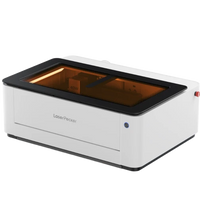
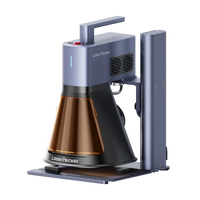
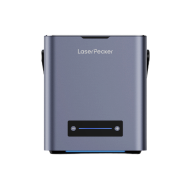
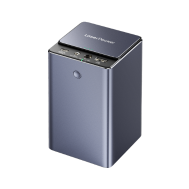
Laser engraving is one of the most efficient and precise methods to personalize a spoon. A personalized engraved spoon is perfect for gifts, branding, or decorative purposes. With this technique, you can easily apply texts, logos, or patterns.
What you need for spoon engraving with a laser:
-
A laser engraving machine
Fiber laser: for metal spoons
Diode laser: for wooden spoons - Design software (e.g., LightBurn, LaserPecker Software & App)
Steps for laser engraving a spoon
Step 1: Clean the spoon
Wipe the surface to remove oil or dust and achieve a better engraving result.
Step 2: Prepare the design
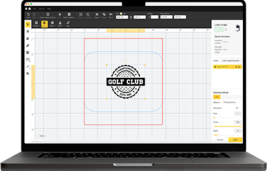
Create or import your design into the software and adjust it to the engraving area of the spoon.
Step 3: Position and focus
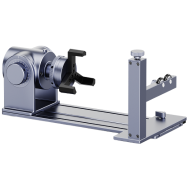
Secure the spoon on the laser bed. Use a rotary attachment for curved surfaces. Adjust focus.
Step 4: Set parameters
Select the appropriate speed, power, and number of passes depending on the material.
Step 5: Preview or test engraving
Perform a light outline engraving to check alignment.
Step 6: Engrave
Start the engraving and monitor the process.
Pros and cons of laser engraving spoons
👍Pros:
Very precise and professional results
Ideal for detailed logos, text, or small graphics
Fast and repeatable for larger quantities of engraved spoons
👎Cons:
Laser machine must be powerful and offer sufficient space
Method 2: Engraving a Spoon with a Rotary Tool
Engraving a spoon with a rotary tool is a practical and cost-effective method. Ideal for DIY enthusiasts who want to engrave simple designs, initials, or patterns on metal or wooden spoons without purchasing expensive machinery.
Tools needed:
- Rotary tool or electric engraving pen
- Clamp, vise, or non-slip mat
Steps: Engraving a spoon with a rotary tool
Step 1: Clean and secure the spoon
Remove grease or dirt. Secure the spoon firmly so it doesn't slip.
Step 2: Mark the design
Draw the pattern directly onto the spoon or use a stencil.
Step 3: Choose the right bit
Diamond bit: for metal
Carbide or HSS bit: for wood
Step 4: Engrave slowly and evenly
Turn on the rotary tool and engrave with light pressure. Let the tool do the work – do not press too hard.
Step 5: Clean and refine
Remove dust. Lightly sand wood, polish metal if necessary.
Pros and cons of engraving with a rotary tool
👍Pros:
Cost-effective and easy to start
Personal, handmade touch
👎Cons:
Requires a steady hand and patience
Very fine details are difficult to achieve
Method 3: Engraving a Spoon by Hand
Hand engraving is a traditional and artistic method, particularly suitable for wooden spoons. It adds a personal, rustic touch and allows for deep, textured designs. This method requires no electricity and is perfect for small craft projects or working outside the workshop.
Tools needed:
- Hand engraving tools
- Engraving vise or clamp
- Wooden spoons (softer woods like basswood or birch are easier to engrave)
- Sandpaper (for smoothing the surface after engraving)
Steps: Hand engraving a spoon
Step 1: Select spoon and tools
Choose a smooth, clean wooden spoon and prepare appropriate tools depending on the design.
Step 2: Secure the spoon
Hold it with a clamp or on a stable surface to prevent movement.
Step 3: Sketch the design
Lightly draw patterns or letters with a pencil.
Step 4: Begin engraving
Carefully trace the design lines with the tools. First make shallow cuts, then increase depth as needed.
Step 5: Finish the surface
After engraving, sand the edges and, if necessary, apply food-safe oil to protect the wood and highlight the engraving.
Pros and cons of hand engraving
👍Pros:
No electricity needed
Very personal and artistic engraved spoons
👎Cons:
Only suitable for wooden spoons
Time-consuming
Requires practice and a steady hand
Method 4: Engraving a Spoon with Cricut Maker
The Cricut Maker is a versatile smart cutting machine that can engrave certain materials with a special engraving tip. While it cannot engrave directly onto metal or wooden spoons, it is perfect for creating engraved metal plates (e.g., aluminum) that can then be attached to spoons for decorative or personalized purposes.
Tools needed:
- Cricut Maker
- StrongGrip mat
- Blank wooden or metal spoon (for attaching the engraved plate)
Steps: Engraving a spoon with Cricut Maker
Step 1: Create the design
Open Cricut Design Space and create or import the text or design you want to engrave.
Step 2: Secure the metal plate on the mat
Secure the aluminum plate to the StrongGrip mat with masking tape to prevent movement during engraving.
Step 3: Perform engraving
Send the project to the Cricut and let it engrave the design onto the metal plate.
Step 4: Clean and attach to the spoon
After engraving, remove any residue and attach the engraved plate to the spoon using adhesive or decorative methods (e.g., wire wrapping or ribbon).
Pros and cons of Cricut spoon engraving
👍Pros:
High precision and clean lines
Ideal for repeatable designs
👎Cons:
Only suitable for certain materials (e.g., aluminum)
Method 5: Engraving a Spoon with Metal Stamping
Metal stamping is a traditional, artisanal method of engraving words, names, or designs onto spoons using steel stamps and a hammer. Especially for DIY projects with stainless steel or silver-plated spoons, this technique gives engraved spoons a charming, handmade touch.
Tools needed:
- Steel letter/number stamps
- Metal spoon (preferably stainless steel or silver-plated)
- Metal stamping hammer or small regular hammer
Steps: Engraving a spoon with metal stamping
Step 1: Select and prepare the spoon
Choose a flat area of the spoon (usually the bowl). If slightly curved, flatten with a rubber mallet if necessary.
Step 2: Mark the engraving area
Use masking tape to create a straight line as a guide and secure the spoon.
Step 3: Stamp the design
Place the stamp on the metal and strike firmly once with the hammer. Repeat for each letter or symbol.
Step 4: Emphasize the engraving
Rub a permanent marker or stamp enamel over the engraved letters and wipe off excess ink to make the engraving stand out.
Step 5: Polish the spoon
Remove residue with a polishing cloth or steel wool and finish the spoon.
Pros and cons of metal stamping
👍Pros:
No power tools needed
Inexpensive and beginner-friendly
👎Cons:
Requires precision and a steady hand
Mistakes cannot be undone
Method 6: Engraving a Spoon with a CNC Machine
Engraving a spoon with a CNC machine is a precise, automated method, ideal for professional engraved spoons or serial production. With the right setup, the CNC machine can engrave detailed text or graphics onto metal spoons evenly and with consistent depth.
Tools needed:
- CNC engraving machine
- Metal spoon (preferably stainless steel or aluminum)
- Fixture or clamp to secure the spoon
Steps: Engraving a spoon with a CNC machine
Step 1: Design the engraving
Create or import text or a logo in CAD software and prepare the toolpath in CAM software.
Step 2: Secure the spoon
Secure the spoon firmly on the CNC bed plate so it doesn't slip during engraving.
Step 3: Insert tool and set zero point
Insert the appropriate milling cutter and set the X, Y, and Z zero points according to the design.
Step 4: Start engraving
Start the CNC process and monitor the engraving.
Step 5: Finishing
After engraving, clean and polish the spoon to make the engraving visible and remove any residue.
Pros and cons of CNC engraving
👍Pros:
Extremely precise and consistent
Complex and detailed designs possible
👎Cons:
Expensive equipment and software
Steeper learning curve
FAQs: Frequently Asked Questions about Spoon Engraving
1. Can any spoon be engraved?
Stainless steel or silver spoons are best suited. The surface should be clean and smooth.
2. What tools are needed?
Basic equipment: suitable spoon, engraving tools, safety equipment, and materials for design transfer.
3. Is engraving on spoons suitable for beginners?
Yes! With the right tools and some practice, impressive results are possible even for beginners.
4. Which engraving technique should I choose?
Hand engraving for precision, electric engraving for efficiency, or chemical etching for special designs.
5. Do I need design skills?
Not necessarily. Use simple designs and templates or stencils for help.
6. How do I care for engraved spoons?
Clean with a soft brush or cloth. Do not use abrasive cleaners to preserve the engraving. Regular care extends the lifespan.
Conclusion
Engraving spoons can be as simple or as elaborate as you want it to be. Whether you use laser engraving for precision, Cricut for creative projects, or hand tools for a personal touch – each method has its charm and accessibility.
Design your individual spoon yourself. Choose the technique that suits your goals, tools, and skills, and create engraved spoons that are perfect as gifts, for special occasions, or personal collections. Now that you know all the methods, you can choose your favorite way and create personalized engraved spoons.