











































Engraved pens are a simple yet effective way to personalize everyday items like pencils – whether for students, as wedding favors, for promotional purposes, or handmade products. Pen engraving not only adds a personal touch but can also contribute to brand building.
But which method is right for you? In this article, we'll introduce you to five practical ways to get a pen engraved – from precise machines like laser and CNC devices to handheld tools like engraving pens or stamps. Each method has its own advantages, tools, and areas of application. We'll help you find the right technique for your needs.

In this article:
- Method 1: Engraving pens with a laser engraving machine
- Method 2: Pen engraving with a rotary tool
- Method 3: Engraving pens with a small CNC machine
- Method 4: Engraving pens with Cricut Maker
- Method 5: Engraving pens using the stamping technique
- FAQs: The 10 most frequently asked questions about engraving pens
Method 1: Engraving pens with a laser engraving machine
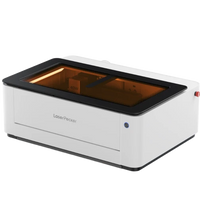
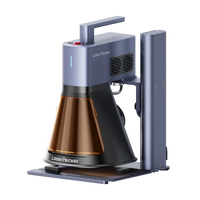
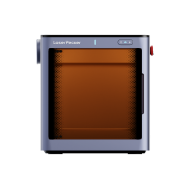
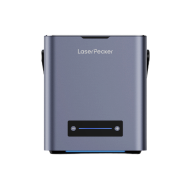
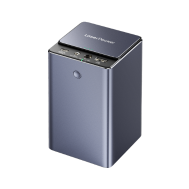
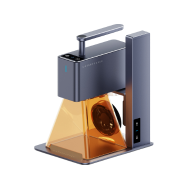
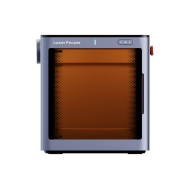
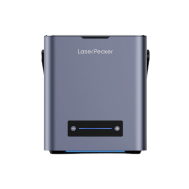
Laser engraving is the most precise and efficient method for personalizing pens – whether as gifts, promotional items, or for school supplies. This involves burning or engraving the surface of wooden or coated pens using a focused laser.
What you need for laser engraving pens:
- A laser engraving machine
- Pens with a suitable surface (e.g., wood, metal, acrylic, coated plastic)
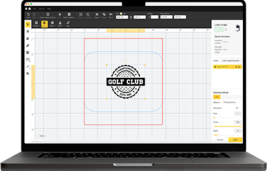
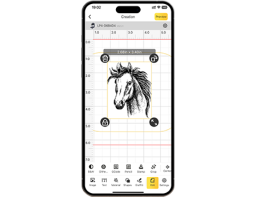
- Design software (e.g., LightBurn or the LaserPecker Software & App)
How pen engraving with a laser works:
Step 1: Design the layout
Create your desired design in the software – e.g., name, saying, or logo – and adapt it to the pen's circumference (usually 5–8 mm high).
Step 2: Position the pen
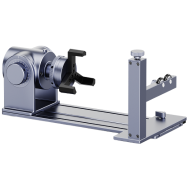
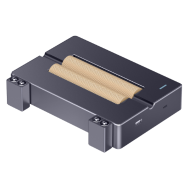
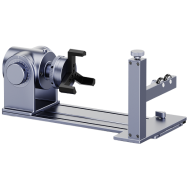
Place the pen on the engraving field. Round pens require a rotary axis; hexagonal pencils can be laid flat in a holder to prevent them from rolling away.
Step 3: Set parameters
Adjust power, speed, and focus depending on the material.
Step 4: Check position
Use the preview or frame function to ensure that the engraving area is precisely on the pen.
Step 5: Start engraving
Start the engraving on the pen and ensure that the pen does not move during the process.
Step 6: Post-process
Remove any soot marks with a soft cloth. Lightly sand or seal if necessary.
Advantages and disadvantages of laser engraving a pen
👍 Advantages:
Very precise and professional results
Logos, text, serial numbers, etc., are possible
Works on many materials (wood, metal, acrylic, leather, etc.)
No mechanical stress – low risk of damaging the pen
👎 Disadvantages:
Laser engraving machines can be expensive for beginners
Method 2: Pen engraving with a rotary tool
Engraving with a rotary tool – such as an engraving pen or Dremel – is a cost-effective, practical method for DIY enthusiasts. It is particularly suitable for small quantities of wooden pens that you want to personalize with names, patterns, or symbols. While this technique is less precise than laser engraving, it gives the pen a handmade character.
What you need:
- A rotary tool
- G-clamp, vise, or non-slip mat
- Wooden or lacquered pens (no rubber coatings)
How to engrave:
Step 1: Plan and mark the design
Sketch names, initials, or patterns directly onto the pen with a fine marker or use a stencil.
Step 2: Secure the pen
Secure the pen with a vise with soft jaws or wrap it in foam to avoid scratches.
Step 3: Choose attachment
Use a fine engraving attachment – diamond tips for fine lines, milling attachments for deeper engravings.
Step 4: Engrave
Set the device to medium to high speed and trace the markings with light pressure. Let the attachment do the work – don't press too hard!
Step 5: Clean and finish
Remove dust with a soft cloth. Optionally, add paint or ink to the engraving to enhance the effect.
Advantages and disadvantages of engraving with a rotary tool
👍 Advantages:
Inexpensive and easily accessible
Ideal for individual unique pieces
👎 Disadvantages:
Less precise than laser or CNC
Requires a steady hand and patience
Not suitable for mass production
Method 3: Engraving pens with a small CNC machine
A compact CNC machine offers precise and repeatable pen engravings – ideal for workshops, makerspaces, or small series of individual products. Especially with wooden pens (whether round, flat, or hexagonal), CNC technology with the right holder delivers clean and deep engravings.
What you need:
- Small CNC milling machine
- Individual holder or clamping device for pens
- Accented pen or wooden pen for engraving
How to engrave with CNC:
Step 1: Create or import design
Design your text or logo in CAD software and create the toolpaths in CAM software. Adjust the size (approx. 5–8 mm high).
Step 2: Secure the pen
Securely clamp the pen in a suitable holder, e.g., a V-groove, a clamping system, or a rotary axis – important for round pens.
Step 3: Select cutter and settings
Insert a fine engraving cutter. Set speed, feed rate, and engraving depth to match the material.
Step 4: Test run and check alignment
Perform a test run on a scrap piece. Precisely align the CNC's zero point.
Step 5: Start engraving
Start the engraving process and monitor it for accuracy, cutter wear, or grinding noises.
Advantages and disadvantages of engraving with a CNC machine
👍 Advantages:
High precision and consistency
Supports deeper engraving than laser
👎 Disadvantages:
Requires knowledge of CAD/CAM
Extensive setup
Less suitable for individual items
Method 4: Engraving pens with Cricut Maker
Although the Cricut Maker is primarily known for paper, vinyl, and leather, it can also lightly etch coated pens with the engraving tool. While this technique doesn't create a true engraving, it produces decorative effects on painted or foiled pens.
What you need:
- Cricut Maker
- Adhesive (e.g., painter's tape or adhesive dots)
- Pens with a soft coating (e.g., lacquered or foiled)
How it works:
Step 1: Create design
Design a name, logo, or text in Cricut Design Space. Keep it small (approx. 5–8 mm high) and set the function to "Engrave".
Step 2: Prepare mat
Place the pen on the StrongGrip mat. Secure it with tape or dots so it doesn't slip. Flat or hexagonal pens are best.
Step 3: Align
Use the grid in Design Space to precisely align your design with the pen's position.
Step 4: Start engraving
Click “Make It” and let the Cricut lightly etch the design into the pencil coating. Monitor to ensure the pencil stays in place.
Step 5: Clean
Carefully remove residue with a cloth. Optional: Add paint or metallic marker to the engraving.
Advantages and disadvantages of the Cricut approach
👍 Advantages:
Easy for Cricut users to implement
Ideal for creative decorative or DIY projects
Safe for home use
👎 Disadvantages:
Only surface etching, not true engraving
Does not work on untreated wood or round pens
Method 5: Engraving pens using the stamping technique
Embossing with a punch stamp is a classic method for marking pens – particularly popular in mass production. This involves pressing a metal stamp into the surface with a hammer – usually on flat or hexagonal wooden pens – creating a permanent pen engraving.
What you need:
- Metal letter or logo stamps
- Hammer or soft-faced hammer (e.g., brass or rubber mallet)
- Wooden pens (preferably uncoated or lightly lacquered)
Steps to engrave a pen by stamping
Step 1: Select and align stamp
Choose the appropriate letter or logo stamp. Place it on the desired side of the pen.
Step 2: Secure the pen
Place the pen on a stable surface or an embossing mat. Securing it with a holder is helpful.
Step 3: Strike the stamp
Hold the stamp vertically and strike it with controlled force. Repeat for each letter if necessary.
Advantages and disadvantages of stamping
👍 Advantages:
No electricity or software needed
Deep, permanent markings
Works well on flat wooden pens
👎 Disadvantages:
Not suitable for round pens without special holder
Too hard blows can damage the pen
FAQs: The 10 most frequently asked questions about engraving pens
1. What is pen engraving?
Pen engraving refers to the scratching or burning of designs, text, or patterns onto the surface of a pen – e.g., with a laser, engraving pen, or CNC machine.
2. Which types of pens can be engraved?
Wooden pens are most commonly used because their surface is smooth and easy to work with. Colored pencils, mechanical pencils, or lacquered pens are also suitable – depending on the chosen engraving method.
3. What is the difference between engraving and embossing pens?
Engraving removes material and creates a recess. Embossing, on the other hand, raises the surface to create a raised pattern. Engraved pens appear more precise and durable.
4. How can you engrave a name on a pen?
A name can be applied to the pen using, for example, a laser device, a CNC machine, or a hand engraving tool. With a template or stencil, the pen engraving can be cleanly aligned and executed.
5. What tools do you need for pen engraving?
Depending on the method, you will need: a laser engraving machine or engraving pen; design software (e.g., LightBurn); a holder or clamping device; cleaning utensils and, if necessary, safety glasses.
6. Is pen engraving permanent?
Yes, a correctly executed pen engraving is durable and long-lasting – it does not wear off with normal use.
7. Can you engrave multiple pens with the same design?
Absolutely – especially with CNC or laser machines, you can engrave several pens with the same design in one go.
8. Are there any limitations when engraving pens?
The limitations depend on the engraving method and the material. Very small or detailed motifs cannot be realized with every technique, but logos, text, and simple patterns can generally be engraved well.
9. What creative ideas are there for engraved pens?
Engraved pens are ideal as personalized gifts, promotional items, or for special occasions. Popular choices include names, quotes, company logos, or decorative patterns.
10. How do you personalize pens as gifts?
Choose a suitable design – e.g., an inscription, initials, or a saying – and engrave it onto the pen. This creates individual and personal gifts with meaning.
Conclusion
Engraving pens is a creative way to personalize everyday items – whether for gifts, promotional purposes, or DIY projects. Each method offers its own advantages:
- Laser engraving: Fast, clean, and ideal for professional results
- Rotary tools: Perfect for handmade unique pieces
- CNC machines: Highest precision for small series
- Cricut: Decorative designs for coated pens
- Stamping: Classic, deep, and durable – ideal for larger quantities
No matter which technique you choose – with the right method, every pen becomes a unique piece. Now is the perfect moment to get your pens engraved!