























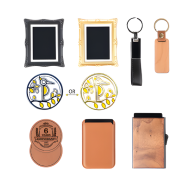





















Engraving keys is a simple yet effective way to add a personal touch, improve organization, or increase security. Whether you're adding a name to a house key, numbering spare keys, or creating custom designs for decorative purposes, key engraving can be both practical and creative.
This guide introduces you to the four main key engraving methods – each with its own advantages, tools, and applications. From laser engraving to manual techniques, you'll find the best approach for your needs, skill level, and budget.

This article contains:
- Method 1: Engrave keys with a laser engraving machine
- Method 2: Engrave keys with a rotary tool
- Method 3: Engraving keys using stamps
- Method 4: Engraving keys with a key cutting machine
Method 1: Engrave keys with a laser engraving machine
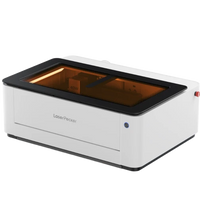
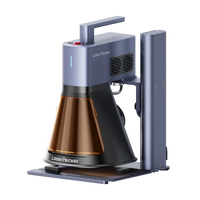
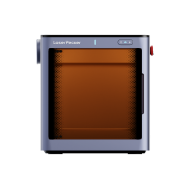
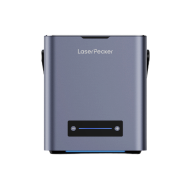
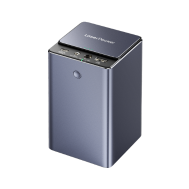
Laser engraving is one of the most precise and efficient methods for marking metal keys. Using a focused laser beam, text, logos, or patterns are etched directly onto the key's surface – without any physical contact. This technique delivers a clean finish and high durability, which is why it is valued by both professionals and hobbyists.
What you need for laser engraving a key:
- - A laser engraving machine
- Design software (e.g. LightBurn, LaserPecker Software & App )
- Metal key blank (brass, steel or coated)
Steps for engraving a key with a laser machine
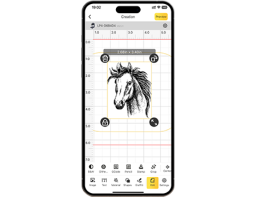
Step 1: Prepare the design:
Create or import a design, e.g., initials, serial number, or logo.
Step 2: Secure the key:
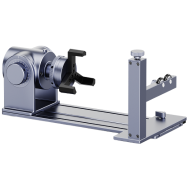
Securely place the key on the engraving platform. A rotary attachment is suitable for curved keys.
Step 3: Set parameters
Adjust the speed, power, and focus of the laser to suit the material.
Step 4: Check the preview
Use the frame function to preview the engraving position on the key.
Step 5: Start engraving
Perform the engraving process. The laser will engrave the design onto the surface of the key.
Step 6: Inspection and cleaning
Check after completion and remove any residue with a soft cloth or alcohol pad.
Advantages and disadvantages of laser engraving a key
👍Advantages:
Highly precise and professional results
Ideal for detailed logos, texts or small graphics
Fast and repeatable for mass production
👎Disadvantages:
The initial investment can be high.
Method 2: Engrave keys with a rotary tool
Engraving keys with a rotary tool is a manual but effective way to personalize or label keys using mechanical friction. A rotary tool spins a small engraving bit at high speed, allowing you to engrave letters, numbers, or small designs directly into metal surfaces such as brass or steel keys. This method is ideal for DIY enthusiasts who want flexibility without having to invest in expensive equipment.
Required tools:
- Rotary tool or electric engraving pen
- Screw clamp, vise or non-slip mat
- Metal keys (preferably made of brass or soft metals)
Steps for engraving a key with a rotary tool
Step 1: Secure the key
Clamp the key in a vise or clamp to prevent it from moving during engraving.
Step 2: Mark design
Use a marker or stencil to sketch the text or design you want to engrave onto the key.
Step 3: Choosing the right milling cutter
Insert a fine engraving cutter or a diamond-tipped cutter into your rotary tool.
Step 4: Engrave slowly
Turn on the tool and begin engraving by carefully following the pre-drawn lines. Keep the movement smooth and the pressure light to avoid mistakes.
Step 5: Clean the key
After engraving, wipe away dust and marker residue with a soft cloth or alcohol.
Advantages and disadvantages of engraving a key with a rotary tool
👍Advantages:
Cost-effective and easy to learn
Ideal for a personal, handmade touch
👎Disadvantages:
Requires a steady hand and practice
This can be time-consuming for detailed work.
Method 3: Engraving keys using stamps
Metal stamping is a traditional, artisanal method for engraving keys, using force and steel stamps. It's perfect for creating simple text—like initials or numbers—by striking character-shaped stamps directly onto the key's surface. While not as precise as laser engraving, this method is fast, inexpensive, and requires no electricity.
Required tools:
- Metal stamp set (with letter and number stamps)
- Hammer (preferably made of metal or brass)
- Screw clamp or tape (to fix the key)
Steps for engraving a key by stamping:
Step 1: Secure the key
Place the key on a steel block or hard surface and secure it with tape or a clamp to prevent movement.
Step 2: Align the stamp
Use painter's tape as a guide or lightly mark the surface to position the letters.
Step 3: Stamp the character
Hold the stamp vertically against the key surface and then strike it firmly once with the hammer. Repeat the process for each letter or number.
Step 4: Polishing
If necessary, lightly polish the surface to clean the stamped areas.
Advantages and disadvantages of hand-engraving a key
👍Advantages:
Low costs and no electricity consumption
Durable and long-lasting markings
👎Disadvantages:
Limited to block-like text – no detailed designs possible
It can be difficult to align precisely.
Method 4: Engraving keys with a key cutting machine
Key-cutting machines are traditionally used to duplicate keys, but some advanced models can engrave text or ID codes onto key blanks using mechanical or electronic methods. These are commonly used in locksmith services for professional engraving – particularly for security tags, serial numbers, or company logos.
Required tools:
- Engravable key copying machine (manual or electronic)
- Key blank or existing key (depending on machine type)
- clamp or bracket
Steps for engraving a key with a key-engraving machine
Step 1: Set up the machine
Turn on the machine and select the engraving function or switch to the engraving head (if it is a dual-function machine).
Step 2: Secure the key
Insert the key into the designated holder or clamp and tighten it securely to prevent slippage.
Step 3: Select text or design
For manual machines: Insert the appropriate engraving template or type guide.
For digital machines: Enter the text or design via the touchscreen or connected software.
Step 4: Engrave the key
Start the machine and let your design be engraved. This can be done automatically (CNC-like machines) or manually (you guide the milling cutter along the template).
Step 5: Finish and check
Remove the key, clean it, and check it for clarity and accuracy.
Advantages and disadvantages of engraving a pen with a key cutting machine
👍Advantages:
High precision with clean lines
Fast and consistent engraving
👎Disadvantages:
Expensive machines – not ideal for hobby use
Conclusion
Key engraving is a surprisingly easy skill to learn, combining functionality with personalization. Whether you choose the high precision of a laser engraver, the flexibility of a rotary tool, the charm of hand stamping, or the speed of a key engraving machine, each method offers unique advantages. Select the method that best suits your needs and budget, and personalize your keys today.