












































Personalized bracelets are a wonderful way to express love, identity, or creativity – and an engraving on a bracelet adds that special touch. An engraved bracelet is both beautiful and meaningful, suitable for everyday wear, and also makes a great gift.
Whether you want to create a gift, start a handmade jewelry business, or simply try something new: there are various methods to engrave a bracelet – depending on tools, budget, and experience level.
In this guide, we show you five practical methods to personalize bracelets – from modern high-tech machines to traditional hand tools. This way, you can choose the technique that best suits your project.

In this article:
Method 1: Engrave a bracelet with a laser engraving machine
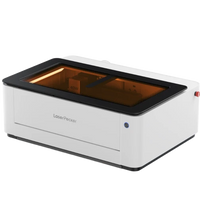
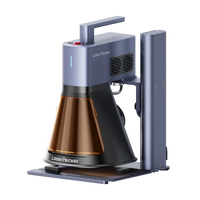
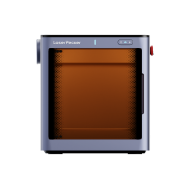
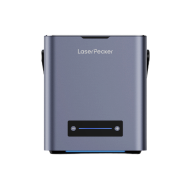
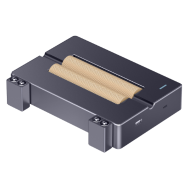
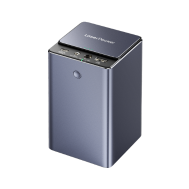
Laser engraving is one of the most popular and effective methods to personalize a bracelet. It offers high precision, clean lines, and supports many materials such as metal, leather, wood, acrylic, or silicone. With a modern laser engraving machine, you can apply both fine details and complex patterns permanently to a bracelet.
Tools & Materials for laser engraving on bracelets:
- Laser engraving machine for bracelets
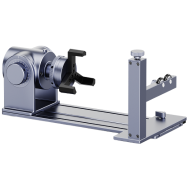
- Rotary axis – ideal for engraving round bracelets or bangles
- Design software (e.g., LightBurn, LaserPecker Software & App)
- Bracelet for engraving – stainless steel, aluminum, leather, wood, silicone, etc.
Steps for engraving a bracelet with a laser engraving machine:
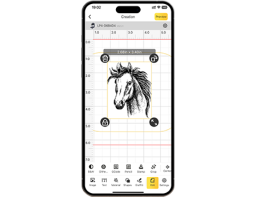
Step 1: Create or select design
Create your pattern, text, or logo in the software. Pay attention to the size and curvature of the bracelet.
Step 2: Prepare the bracelet
Clean the surface thoroughly and securely fix the bracelet on the laser bed or in the rotary axis.
Step 3: Adjust machine settings
Select the material and adjust laser power, speed, and focus. For round bracelets, activate the rotary mode.
Step 4: Preview engraving area
Use the preview function to align the design. Adjust if necessary.
Step 5: Start engraving
Start the engraving process and monitor it carefully.
Step 6: Post-processing
Remove residues and polish the bracelet or treat the leather.
Advantages and disadvantages of laser engraving on bracelets:
✔️Advantages:
- Very precise – perfect for small and delicate engravings
- Fast and repeatable – also ideal for series production
- Non-contact process – no pressure or damage to the bracelet
- Works on many materials (metal, leather, wood, acrylic, etc.)
❌Disadvantages:
- Higher acquisition costs for the machine
Method 2: Engrave a bracelet with an engraving pen or rotary tool
Engraving a bracelet with an engraving pen or a rotary tool is an inexpensive and practical DIY method. This is a good way for hobbyists to personalize a bracelet. It is suitable for metal, wood, plastic, or leather and is ideal for creating unique pieces by hand.
Required tools & materials:
- Rotary tool or engraving pen
- Bracelet for engraving – metal, wood, acrylic, or plastic
- Vise or clamp for fixing
Steps for engraving a bracelet with a rotary tool or engraving pen:
Step 1: Select and prepare the bracelet
Clean the surface and securely fix the bracelet with a clamp.
Step 2: Sketch the design
Sketch your pattern or text with a pencil or marker. Alternatively, use stencils.
Step 3: Choose suitable burr
For metal, use diamond or carbide tips; for wood and plastic, use softer attachments.
Step 4: Engrave
Start the tool at low to medium speed and carefully trace the design.
Method 3: Engrave a bracelet with a chisel and hammer
Hand engraving with a chisel and hammer is a traditional technique that allows for deep and permanent engravings with a handcrafted character. This method is often used for metal bracelets, especially by experienced goldsmiths or metalworkers who value an artisanal result.
Required tools & materials:
- Metal bracelet – softer metals like silver, brass, copper, or gold are best suited.
- Engraving chisels in various shapes and sizes
- Small jeweler's hammer
- Vise, engraving block, or holder
- Polishing cloth or sanding pad
Steps for engraving a bracelet with a chisel and hammer:
Step 1: Prepare the bracelet
Clean the bracelet thoroughly and secure it firmly in the engraving block or vise. Stability is crucial for precise engraving.
Step 2: Mark the design
Draw the desired motif onto the surface with a scriber or fine marker. Ensure the design is clear and proportional to the bracelet.
Step 3: Position the chisel
Position the tip of the chisel at the beginning of the design. The angle determines depth and line shape.
Step 4: Start engraving
Lightly tap the chisel with the hammer to cut into the surface. Work slowly and precisely along the lines.
Step 5: Clean & polish
Remove chips and polish the surface to enhance contrasts and achieve a clean look.
Advantages and disadvantages of hand engraving a bracelet:
✔️Advantages:
- Deep, durable engraving with an artistic character.
- No electricity required – ideal for traditional environments.
- Perfect for precious metals and high-quality engraving on bracelets.
❌Disadvantages:
- Requires a lot of experience, practice, and patience.
- More time-consuming process compared to machines like laser engraving for bracelets.
- Mistakes are difficult to correct.
Method 4: Engrave a bracelet with a CNC jewelry machine
CNC engraving (Computer Numerical Control) is a professional and highly precise method used in jewelry manufacturing. It is ideal for engraving fine lettering, patterns, or even 3D designs on metal bracelets, especially for medium to large series production.
Required tools & equipment:
- CNC engraving machine for jewelry
- Computer with CAD/CAM software
- Bracelet for engraving
- Holder or clamping device
Steps for engraving a bracelet with a CNC machine:
Step 1: Create the design
Design your motif with CAD software and convert it into G-code for the CNC machine.
Step 2: Prepare the bracelet
Securely fasten the bracelet in the device. A rotary holder can be used for round bangles.
Step 3: Set up the machine
Insert the correct cutter and adjust speed, depth, and feed rate according to the material.
Step 4: Start engraving
Begin the engraving process and monitor the work steps to ensure precision and safety.
Step 5: Post-process
Remove the bracelet and polish it for a glossy finish. This way, you can personalize and professionally refine your bracelet.
Advantages and disadvantages of CNC engraving
✔️Advantages:
- Extremely precise and repeatable.
- Professional results, ideal for personalizing a bracelet.
- Supports complex designs.
- Perfect for series production.
❌Disadvantages:
- Longer setup and programming.
- Not mobile – usually only usable in workshops.
Method 5: Engrave a bracelet with a Cricut Maker
The Cricut Maker with an engraving tip allows for simple engravings on flat, soft metal surfaces such as aluminum blanks. This method is particularly suitable for beginners who want to personalize their bracelet – however, with limitations in material and shape.
Required tools & materials:
- Cricut Maker with engraving tip
- Computer or smartphone with Cricut Design Space
- Metal blank for bracelet (flat, soft, e.g., aluminum)
- Tape (optional, for fixing)
- Polishing pad
Steps for engraving on a bracelet with a Cricut Maker:
Step 1: Design creation
Create or import a simple motif into Cricut Design Space, adapted to the size of your bracelet.
Step 2: Material preparation
Attach the bracelet to the StrongGrip mat and secure it with tape.
Step 3: Machine setup
Load the engraving tip into the Cricut Maker and select the appropriate material setting.
Step 4: Start engraving
Start the process. The Cricut lightly scores the motif into the surface.
Step 5: Post-processing
Remove the bracelet and polish the surface to highlight the engraving.
Advantages and disadvantages of engraving a bracelet with a Cricut Maker
✔️Advantages:
- Easy to use, ideal for beginners.
- Cost-effective solution for hobby projects.
❌Disadvantages:
- Only suitable for flat, thin materials.
- No engraving possible on hard metals such as steel, brass, or gold.
Conclusion
Bracelets are personalized in different ways – whether with laser engraving, CNC machine, traditional hand engraving, or Cricut. Each method has its own advantages and disadvantages. Choose according to material, budget, and desired result.
With the right tools and a little practice, you can create a personalized bracelet that not only looks beautiful but also carries a special meaning.