












































An engraved knife not only gives it a unique touch but also makes it a meaningful gift or a distinctive tool for your kitchen or workshop.
While professional engraving services exist, many creative hobbyists and DIY enthusiasts prefer to do the engraving at home. Fortunately, there are several practical methods for engraving a knife yourself, each requiring different levels of precision, cost, and skill.
In this article, we present 3 effective methods for engraving a knife at home: using a fiber laser engraver, hand engraving, and chemical etching. Whether you prefer a high-tech solution, a handcrafted approach, or a chemical process – you will find the right method here.

In this article:
- Method 1: Engraving a Knife with a Fiber Laser Engraver
- Method 2: Engraving a Knife by Hand
- Method 3: Engraving a Knife by Chemical Etching
Method 1: Engraving a Knife with a Fiber Laser Engraver
Materials needed for laser engraving knives:
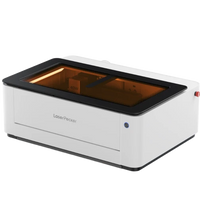
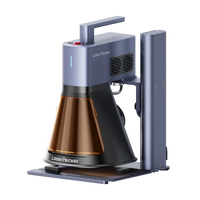
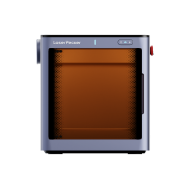
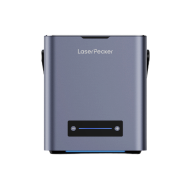
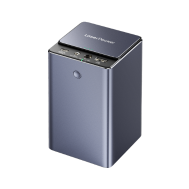
- Fiber laser engraving machine for knives
- Knife to engrave (preferably stainless steel or compatible metal)
- Design software (e.g., LightBurn, LaserPecker Software & App)
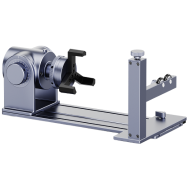
- Holding device or jig to secure the knife during engraving
Step 1: Prepare the Knife and Design
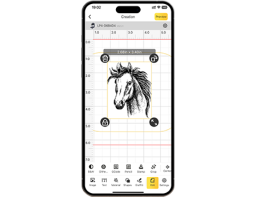
Clean the blade thoroughly with isopropyl alcohol to remove grease and dirt. Open your laser engraving software, create or import the design, and adjust its size to fit the blade. Set the engraving parameters such as power, speed, and frequency according to the metal type.
Step 2: Position the Knife in the Laser Engraver
Securely fasten the knife in the engraving fixture or jig to prevent movement. Correct positioning ensures precise placement of the design on the blade.
Step 3: Start Engraving
Initiate the engraving process via the software interface. The fiber laser will precisely engrave your design onto the blade surface. Keep an eye on the process to ensure stability and accuracy.
Step 4: Clean and Inspect
After engraving, carefully wipe the blade to remove any residue. Inspect the engraving for quality and depth, and adjust settings for re-engraving if necessary.
Pros and Cons of Fiber Laser Engraving for Knives
✔️Advantages:
- Extremely precise and detailed engravings
- Permanent and durable, resistant to wear and corrosion
- Fast and repeatable for multiple knives
- Non-contact process, no physical pressure or damage to the blade
❌Disadvantages:
- Requires expensive, specialized equipment
Method 2: Engraving a Knife by Hand
Tools needed:
- Engraving tools (e.g., hand rotary tool with engraving bits or traditional hand gravers)
- Vise or clamp to securely hold the knife
- Pencil or marker to outline the design on the blade
Step 1: Prepare the Knife and Design
Clean the blade thoroughly to remove dirt and grease. Lightly sketch your design or initials onto the blade with a pencil or fine marker as a guide. Secure the knife in a clamp or vise to ensure stability during engraving.
Step 2: Begin Engraving
Use your hand rotary tool or gravers to carefully trace over the design on the blade. Work slowly and steadily, applying even pressure to create clean grooves. A magnifying glass can be helpful for detailed or small designs. Take breaks as needed to maintain control and avoid fatigue.
Step 3: Clean and Inspect
After completing the engraving, wipe the blade with a cloth and a little alcohol to remove metal dust. Inspect your work and make any necessary touch-ups with the engraving tool.
Pros and Cons of Hand Engraving for Knives
✔️Advantages:
- Highly customizable with full creative control over the design
- Artisanal work with a traditional, authentic feel
❌Disadvantages:
- Time-consuming and requires patience as well as steady hands
- Not ideal for very complex or precise designs
Method 3: Engraving a Knife by Chemical Etching
Materials needed:
- Etching solution (acid solution)
- Protective gloves and safety goggles
- Plastic or glass container for the etching solution
- Knife to be engraved
Step 1: Prepare the Knife and Design
Clean the blade thoroughly with soap and water, then wipe it with isopropyl alcohol to remove grease. Carefully apply your stencil or resist material to the blade where the design should appear. Ensure the edges are well sealed to prevent acid from seeping underneath.
Step 2: Apply Etching Solution
Put on gloves and safety goggles. Dip the exposed area of the blade into the etching solution or apply it with a brush, depending on your setup. Leave the knife in the solution for the recommended time (typically 5–15 minutes), regularly checking how the design is developing.
Step 3: Neutralize and Clean
Once the desired depth is reached, remove the knife from the solution and immediately neutralize the acid by rinsing the blade with a baking soda solution. Afterward, wash the blade thoroughly with soap and water. Remove the stencil or resist material and dry the knife completely.
Pros and Cons of Chemical Etching for Knives
✔️Advantages:
- Well suited for various metals, including stainless steel
- Creates a smooth, clean etched surface
❌Disadvantages:
- Requires handling hazardous chemicals – safety precautions are a must
- Less precise than laser engraving for very fine details
Conclusion
Engraving a knife at home is a rewarding way to add personality and style to a tool you use daily. A fiber laser delivers precise, professional results, but requires specialized equipment.
Hand engraving offers a traditional, artistic touch – ideal for those who enjoy craftsmanship and have patience. Chemical etching provides a middle ground with detailed, durable engravings using accessible materials, but requires careful handling of chemicals.
Regardless of the method you choose, thorough preparation and safety precautions are crucial for achieving the best results. With these creative options, you can make your personalized knife.