









































Backpacks are much more than just practical companions – they reflect who we are. With a few creative modifications, you can upgrade a simple bag, breathe new life into an old favorite, or make a backpack completely unique. Whether for school, everyday life, or personal expression – the possibilities are endless.
In this guide, we'll show you five easy ways to personalize your backpack . You'll learn how laser engraving allows for cool designs, which mistakes to avoid, and get answers to the most important questions about backpack customization.

This article contains:
- Part 1: Five methods for personalizing a backpack
- Method 1: Dyeing
- Method 2: Laser engraving
- Method 3: Sewing
- Method 4: Embroidery
- Method 5: Decorative Tape Designs
- Part 2: How to personalize a backpack with a laser engraver
- Part 3: The best laser engravers for backpack personalization
- Part 4: Common mistakes to avoid
- Part 5: FAQs about backpack customization
Part 1: Five methods for personalizing a backpack
Want your backpack to stand out from the crowd? Here are five easy ways to give it a cool and unique look. Some are inexpensive and straightforward, while others deliver professional results with long-lasting impact.
Whether you're interested in quick solutions like tape designs or want to try something more elaborate like laser engraving, your choice will depend on the material of your backpack, your skills, and your style.
Method 1: Customize the backpack by dyeing it
Dyeing lets you unleash your creativity with color! Imagine the explosive patterns of knot dyeing, soft fades (ombre), or vibrant solid colors. With stencils or tape, you can immortalize letters, shapes, or any crazy design that pops into your head on your backpack.
Backpacks made of cotton or canvas are ideal. It's inexpensive, easy to do – and you certainly don't need to be an artist. Whether you cover the entire backpack or create intricate patterns, mix colors boldly and let yourself be carried away! This way you can breathe new life into your old, faded backpack or simply announce your unique style to the world.
Method 2: Customize backpack through laser engraving
Laser engraving uses heat to burn designs into your backpack, creating a clean and lasting look. It works on leather, faux leather, coated fabrics, canvas, and even small metal parts like zipper pulls or name tags. You can engrave names, initials, logos, motivational quotes, or detailed graphics on the main body panels, straps, patches, or buckles.
This method delivers sharp, lasting results that will not peel or fade, and keeps the surface smooth without adding bulk, making it perfect for a professional, permanent customization.
Method 3: Adjusting the backpack by sewing
Sewing allows you to add patches, fabric, extra pockets, or reinforce weak points. It's about both the look and making your backpack last longer. Create custom designs, add your initials, or reinforce areas that always wear out.
Method 4: Customize the backpack through embroidery
Embroidery adds texture and color. For detailed work, use hand embroidery, or have it done faster by machine. Add lettering, logos, flowers, or anything else you like. Combine embroidery with patches or laser engraving for bolder effects!
Method 5: Customize backpack designs with decorative tape
Tape isn't just for repairs. Bring your backpack to life by adding stripes, shapes, or patterned layers. With a huge selection of colors and designs, you're only limited by your imagination. Highlight zippers or pockets, too. It's quick, dirt cheap, and easy to do. Change your mind? Just peel it off and try something new! The tape sticks to practically anything, allowing you to experiment with different looks. Perfect for adding details without committing to a specific style.
Comparison table
| method | durability | difficulty | materials best suited | Unique advantage |
|---|---|---|---|---|
| dyeing | medium | simply | Cotton, canvas | Vibrant color changes |
| Laser engraving | Very high | medium | Leather, imitation leather, coated fabrics, canvas, metal parts or accessories for a backpack (zipper, name tags, buckles) | Durable, precise designs |
| Sew | high | medium | Fabric, mixed textiles | Add function + style |
| Embroider | high | Very difficult | Fabric, canvas | Elegant and structured |
| Decorative adhesive tape designs | Low-Medium | simply | Every backpack surface | Fast, quirky, removable |
Part 2: How to personalize a backpack with a laser engraver
Laser engraving is a great way to personalize your backpack. With the right choice of backpack and careful processing, you can create durable and attractive designs. Here's how to ensure your backpack is customized exactly to your liking.
1. Where can you get engraving done?
Leather, faux leather, or pieces of canvas are great for engraving. Remember to engrave the main body, straps, or even some patches. Metal parts like zippers, name tags, and buckles can also work.
2. Get the correct file
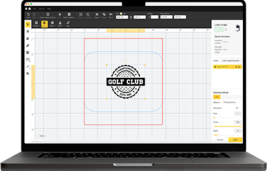
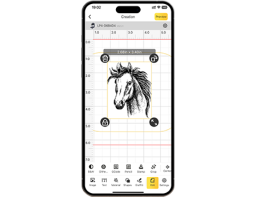
For sharp outlines at any size, use vector files (SVG or DXF). For filled logos, lettering, or images, high-quality PNG or JPG files are suitable. Want to customize or create designs? Free tools like Inkscape or Canva are ideal. If you have a LaserPeckr, LaserPeckr Design Space or LightBurn are good choices.
3. Tidying up:
Wipe down the area you are targeting with the laser. You want to get rid of any dirt that could interfere with things.
4. Adjust settings
Adjust the power and speed on the engraving tool to suit the backpack material. For leather, choose settings that produce dark lines without burning the material.
5. Check position
Adjust the power and speed of the engraver. What you use depends on your backpack. For leather, you should choose settings that create dark lines but don't burn the material.
6. Let it sizzle!
Now the laser works its magic – for crystal-clear, permanent engravings.
7. Tidying up:
Wipe away any residue that remains and make sure your design looks tight.
The great thing about laser engraving is that it's permanent. No fading, peeling, or washing off. It also doesn't add any bulk. The laser alters the surface, so it remains smooth and strong.

Part 3: The best laser engravers for backpack personalization
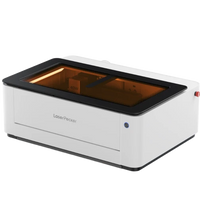
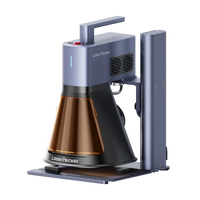
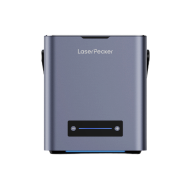
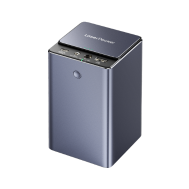
There are many different laser engravers to choose from, but when it comes to customizing the backpack, some are better than others. For example, the LaserPecker LP5 allows you to create detailed patterns on various materials and even add small metal parts.
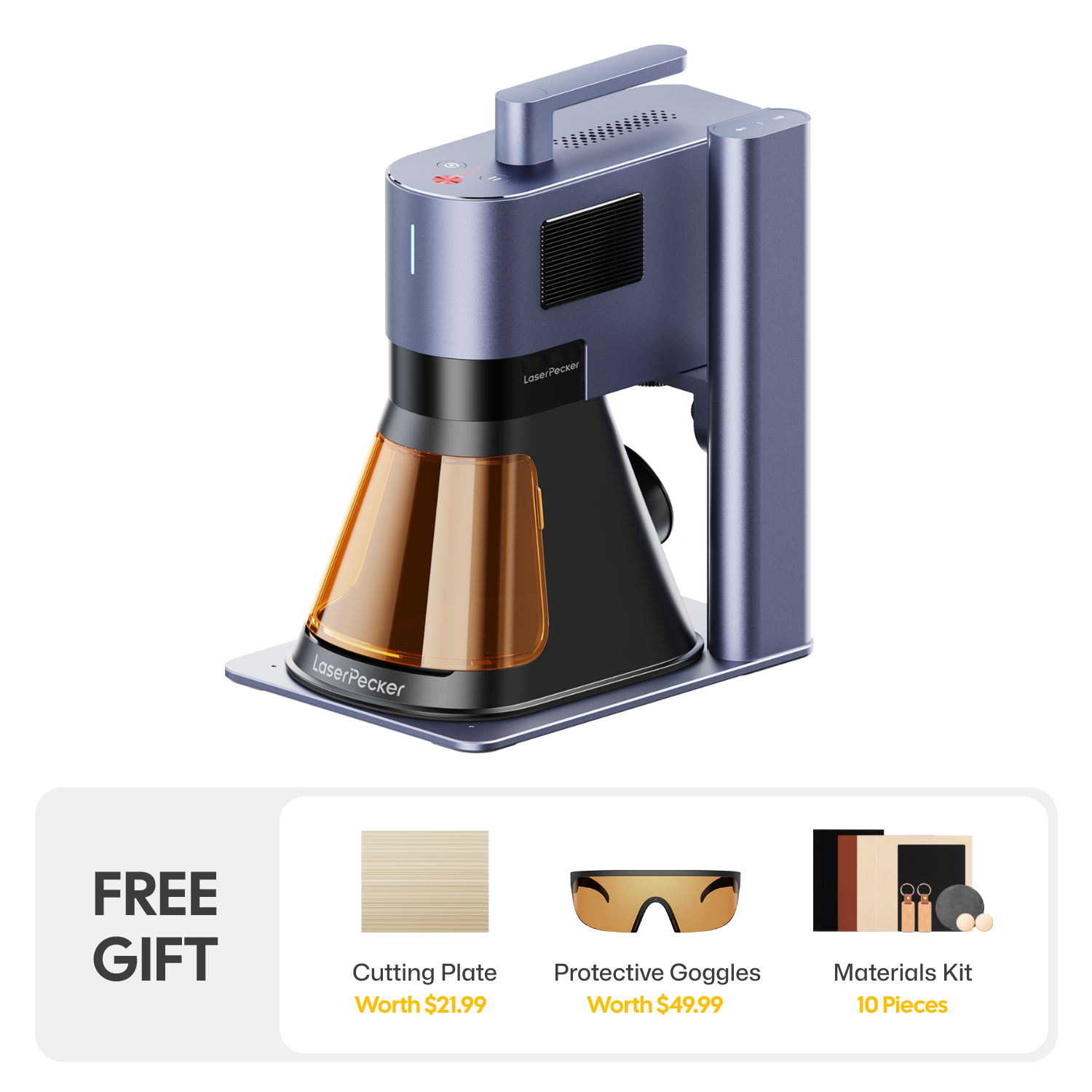
It features two laser types: one for metals and one for all other materials . This allows you to create highly detailed images and even raised 3D designs! It processes all kinds of materials, such as metal, aluminum, stainless steel, wood, leather, and even glass. It easily cuts through acrylic and wood. The fiber laser can also cut thin sheets of brass, stainless steel, aluminum, and titanium. The device is compact, but the working area is expandable, making it ideal for bag designs and much more.

Advantages of the LaserPecker LP5
The LP5 achieves exceptionally clean, durable results that look absolutely professional. It engraves precisely on both metal and many other materials. Its high speed makes it easy to handle individual pieces or small production runs. This allows for deep engravings, 3D effects, and extremely precise cuts.
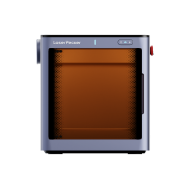
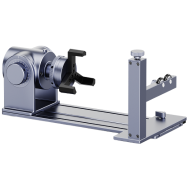
This compact device is easy to transport and suitable even for confined spaces – ideal for mobile use. Accessories allow for engraving on round items such as mugs or bracelets. Compatibility with common design software ensures easy and precise alignment of all designs before starting. Thanks to a special protective case, safe indoor use is possible.
Part 4: Common mistakes to avoid
Laser engraving is ideal for personalizing backpacks. But even small mistakes can ruin the result. Knowing the typical pitfalls will save you time, materials, and frustration.
1. Material selection
Not every backpack is suitable for every decoration method. For example:
- Dyeing works best on cotton, canvas or other natural fibers – synthetic fabrics such as polyester often do not absorb dyes well.
- Laser engraving is ideal for leather, imitation leather, coated fabrics, canvas, and metal parts such as zipper pulls, name tags, or buckles. Avoid using it on thin nylon or delicate fabrics that could burn or fray.
- Sewing and embroidery are suitable for fabrics, blended textiles and canvas, but thin or stretchy materials can tear if care is not taken.
- Adhesive tape adheres to almost all surfaces, but full layers can obstruct seams, straps, or pockets.
Always adapt your method to the material of your backpack to achieve the best results and avoid damage.
2. Keep it simple
Too many colors and designs? Your backpack will look messy instead of cool. The simpler, the better, trust me.
3. Function first
Huge patches or zippers that block the straps? That's not a good idea. Make sure your design doesn't prevent you from using pockets or straps.
4. Clean it up
Always clean your backpack before dyeing or painting. Dirt ruins everything.
5. Try it out
Test your paint or setup on an inconspicuous area before you begin.
Part 5: FAQs about backpack customization
1. How long will the coloring on the backpack last?
If you use heat setting correctly, the color on cotton or linen can be long-lasting. What about synthetic fabrics? It doesn't hold up as well. Frequent washing or strong sunlight? Then the colors will fade. Use color-protecting sprays or a gentle wash cycle to keep the colors vibrant.
2. Is embroidery easy for beginners?
Hand embroidery requires patience and basic sewing skills. If you're just starting out, try initials or simple motifs. Embroidery machines can make the work considerably easier. They are reliable and deliver professional results. Even complex designs are achievable without years of practice.
3. Which adjustment method lasts the longest?
Laser engraving is the best option. It marks the material, so nothing comes off or fades. Embroidery also holds up well, especially if you use good quality thread. Sewing on patches? Absolutely. Dyes and adhesive tape aren't as durable and might need some reinforcement later.
Conclusion
Making your backpack unique is a great idea. You can quickly customize it with tape, completely change its look with dyes, or permanently embellish it with laser engraving. Everyone has their own style! Choose the option that suits your backpack best. By avoiding common mistakes, you can create a one-of-a-kind backpack that reflects your personality.