










































Cutting MDF board is a common task in woodworking, DIY projects, and creative model making. Because MDF is dense, smooth, and inexpensive, it's used for everything from furniture to signs. However, to achieve clean edges and precise shapes, the appropriate cutting method must be chosen for each project, whether by hand or with machines.
This guide presents the three most effective methods for cutting MDF : saw, router, and laser cutter. We explain when each technique is best suited and what you should pay attention to.

This article contains:
- Method 1: Cut the MDF board with a saw
- Method 2: Milling an MDF board with a router
- Method 3: Cutting MDF board with a laser cutter
- FAQs: Frequently asked questions about cutting MDF boards
Method 1: Cut the MDF board with a saw
A saw is the most common and practical tool for sawing MDF boards. Depending on the project, you can choose between a circular saw, table saw, jigsaw, or handsaw.
Each type of saw has its strengths – whether you're making long straight cuts, curves, or quick shortenings. Choosing the right saw blade and using a steady cutting technique will help prevent tear-out and achieve clean edges.
Required tools:
- Circular saw, table saw, jigsaw or hand saw.
- Fine-tooth or carbide-tipped saw blades (to reduce tear-out).
- Clamps for fixing the MDF board.
- Ruler or guide rail for precise cuts.
Here's how to proceed
1. Place the MDF board on a stable surface and secure it with clamps.
2. Measure the cutting line and mark it with a pencil or chalk.
3. Choose the right saw:
Circular saw – for long, straight cuts.
Table saw – for precise, repeatable cuts.
Jigsaw – for curves or irregular shapes.
Hand saw – for quick, small cuts without power tools
4. Align the saw blade with your cutting line.
5. Cut slowly and evenly, and let the saw blade do the work.
6. If necessary, sand the cut edges for a smoother finish.
Advantages and disadvantages of cutting MDF board with a saw
Advantages
- Versatile – different saws for different needs
- Suitable for MDF of all thicknesses
Disadvantages
- Produces a lot of dust (protective equipment is absolutely necessary)
- Risk of tear-out if the wrong saw blade is used.
Method 2: Milling an MDF board with a router
The router is a versatile tool for precisely milling, shaping, and finishing MDF. Unlike saws, it excels at producing clean edges, precise grooves, and decorative profiles. This makes it ideal for projects such as furniture making, shelving, or custom designs where both functionality and sophisticated aesthetics are important.
Required tools:
- Router (with depth stop or fixed base)
- Suitable milling cutter attachments (e.g. end mill, dressing cutter or copy milling cutter)
- Clamps for fixing the MDF board
- Guide rail or template for straight or patterned cuts
Here's how to proceed
1. Place the MDF board on a stable work surface and secure it with clamps.
2. Select the appropriate milling cutter attachment according to the desired cutting method.
3. Mark the cutting line or use a guide rail/template.
4. Adjust the milling depth on the router according to the planned cut.
5. Turn on the router and guide it evenly along the line or guide.
6. Repeat the process if necessary for deeper cuts or grooves.
7. If necessary, sand the edges for a smooth finish.
Best suited for
- Cutting grooves, folds or decorative edges in MDF board
- Cutting or shaping panels for furniture or cabinets
- Create precise, repeatable designs using stencils
Advantages and disadvantages of cutting MDF board with a router
Advantages
- Creates clean, smooth edges with minimal tear-out.
- Suitable for straight and curved cuts with guide rails
Disadvantages
- It requires some skill to guide the tool smoothly.
- Slower than saws for large straight cuts.
Method 3: Cutting MDF board with a laser cutter
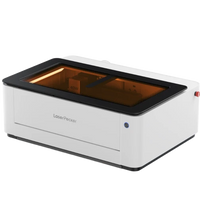
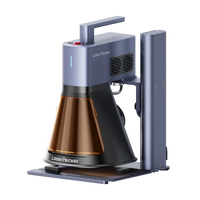
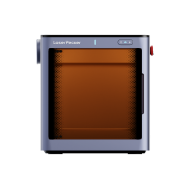
Laser cutting of MDF is a high-precision method ideally suited for thin to medium-thickness MDF sheets. Laser cutting of MDF allows for the creation of intricate shapes, detailed patterns, and repeatable designs with minimal manual effort. However, laser cutting of MDF requires a suitable machine and good ventilation, as burning MDF produces smoke and potentially harmful fumes.
Required tools:
- Laser cutter (with sufficient power for MDF)
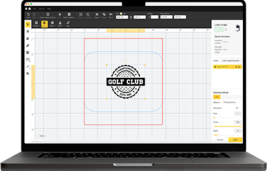
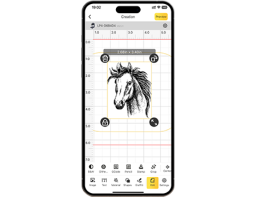
- Computers or mobile devices with design software (for preparing the samples)
- Ventilation or extraction system (since cutting MDF produces smoke and odors)
- Safety glasses, if recommended by the machine's safety guidelines
Here's how to proceed
1. Prepare your design in the software and upload it to the laser cutter.
2. Place the MDF board flat on the machine table and secure it.
3. Adjust the laser parameters (power, cutting depth and passes) according to the MDF thickness.
4. Perform a small test cut to verify the results.
5. Start the laser cutting process and monitor it carefully.
6. Remove the cut MDF board and clean off any residue or burn marks if necessary.
Best suited for
- Cutting thin and medium-thickness MDF boards
- Creating complex patterns or detailed shapes
- For professional or repeatable DIY projects
Advantages and disadvantages of cutting MDF board with a laser cutter
Advantages
- Extremely precise and clean cuts
- Enables the cutting of complex patterns and designs
- Serial engraving enables identical engraving results.
Disadvantages
- Produces smoke and fumes – adequate ventilation is required.
- Incorrect settings can easily leave burnt edges
FAQs: Frequently asked questions about cutting MDF boards
1. What is the best tool for cutting MDF board?
Choosing the best tool depends on your project. For most DIY and woodworking tasks, saws (circular saw, table saw, or jigsaw) are the most practical. For precise edges or grooves, a router is best. For thin boards or detailed designs , a laser cutter is ideal.
2. How do you cut MDF boards by hand?
For small or thin MDF boards, you can use a handsaw or a utility knife. Secure the board to a flat surface, mark the cutting line, and cut slowly along the guide. Manual cutting is suitable for rough cuts or small touch-ups.
3. How do you cut MDF board without power tools?
You can cut MDF without electricity by using a handsaw for thicker boards and a knife for very thin boards (≤ 3 mm). Secure the MDF board with clamps and work slowly to avoid splintering.
4. How difficult is MDF board to cut?
MDF is denser than plywood or particleboard, so it can be difficult to cut with dull blades. Thin sheets are easier to score or cut by hand, while thicker MDF requires sharp blades and appropriate tools. Using the right saw or router minimizes tear-out and makes cutting much easier.
Conclusion
There are several methods for cutting MDF, each suited to different thicknesses and project types. Saws are the most common choice for straight cuts and larger panels, while a laser cutter is particularly well-suited for grooves, edges, and decorative shapes.
How you cut MDF boards correctly depends on your tools, your skill, and the complexity of the project to always achieve clean cuts and smooth edges.