











































Laser cutting aluminum has become an indispensable skill for makers, engineers, and hobbyists alike. Whether you're starting with simple projects or aiming to master advanced techniques, precise aluminum cutting opens up countless creative and industrial possibilities.
This guide will take you step-by-step from the basics to professional tips, helping you unlock the full potential of safe and efficient aluminum laser processing.

In this article:
Part 1: What is Laser Cutting of Aluminum?
Laser cutting aluminum is a high-precision method of cutting materials with a focused light beam. For aluminum, laser cutting is frequently used in industries such as signage or for DIY projects due to its speed, accuracy, and clean results.

Source: Project by LaserPecker CraftZone
1.1 How does laser cutting work for aluminum?
Aluminum is a reflective and thermally conductive metal, which makes it somewhat more challenging to cut than materials like wood or acrylic. During laser cutting of aluminum, a concentrated light beam heats the surface of the aluminum until it melts or vaporizes.
The aluminum cutting process produces precise, burr-free cuts with minimal thermal distortion. However, due to aluminum's high reflectivity – especially at certain wavelengths – cutting can be difficult. For optimal results, a laser that effectively absorbs the metal should be used. Alternatively, coated aluminum facilitates laser cutting and makes the process more efficient.
1.2 What laser power and type are best suited for aluminum?
To cut aluminum effectively, you need a laser with the appropriate wavelength and sufficient power:
- Fiber Lasers (Wavelength 1064 nm): The best choice for aluminum. They excel at reflective metals and provide clean, fast cuts.
- CO₂ Lasers (Wavelength 10.6 µm): Generally not recommended for aluminum, unless the material is very thin and specially coated, as absorption is poor and the risk of laser reflections is higher.
Part 2: Which Aluminum Materials are Suitable for Laser Cutting?
Not all aluminum is the same when it comes to laser cutting. The success of the cut depends on several factors, including sheet thickness, aluminum alloy type, and surface finish. Understanding these variables ensures cleaner cuts, less material waste, and better project outcomes.
Sheet Thickness
Laser power must match the thickness of the aluminum sheet to ensure effective cutting:
- Thin Sheets (≤1 mm): Easy to cut with medium-power fiber lasers (20–100 W). Ideal for intricate designs or lightweight components.
- Medium Sheets (1–3 mm): Require stronger fiber lasers (150–300 W). Commonly used for signage, enclosures, and brackets.
- Thick Sheets (3 mm and thicker): Best processed with high-power industrial fiber lasers (500 W+). Precision may slightly decrease, and the use of assist gas becomes more important.
As thickness increases, so does the need for higher laser power and slower cutting speeds to achieve smooth edges without burn marks or burrs.
Alloy Types (e.g., 6061, 5052)
Different aluminum alloys react differently to laser cutting:
- Pure Aluminum (e.g., 1100 series): Soft and highly reflective. Cuts easily but requires more caution due to reflectivity and often higher laser power or special coatings.
- 5052 Aluminum: Very suitable for laser processing. Excellent corrosion resistance and weldability. Cuts cleanly and is a popular choice for many manufacturing projects.
- 6061 Aluminum: Stiffer but contains more silicon and magnesium, which can make cutting slightly more difficult. Best cut with more powerful fiber lasers.
Surface Finish
The surface of the aluminum influences how the laser interacts with the material:
- Painted or Coated Surfaces: May require additional cleaning after cutting. The coating can also produce fumes, so good ventilation is important.
- Polished or Reflective Surfaces: These can reflect the laser beam, reducing efficiency and potentially damaging the laser. A matte or anodized surface is more suitable.
- Anodized Aluminum: Cuts and engraves very well. The anodized layer improves absorption and reduces reflectivity.
In some cases, a light application of laser-safe marking spray or tape on highly polished surfaces can reduce reflection.
Case Study: Cutting an Aluminum Business Card with a Fiber Laser: 5 Key Steps
Required Materials:
- Material for engraving: Aluminum business card
- Engraving machine: Fiber Laser Cutter – LP5
- Engraving design: Text, images, patterns and their outlines
Step 1: Choose the Right Aluminum Material
Selecting the appropriate aluminum is crucial for achieving optimal results in laser cutting. In this guide, we'll consider laser cutting an aluminum business card as a case study.
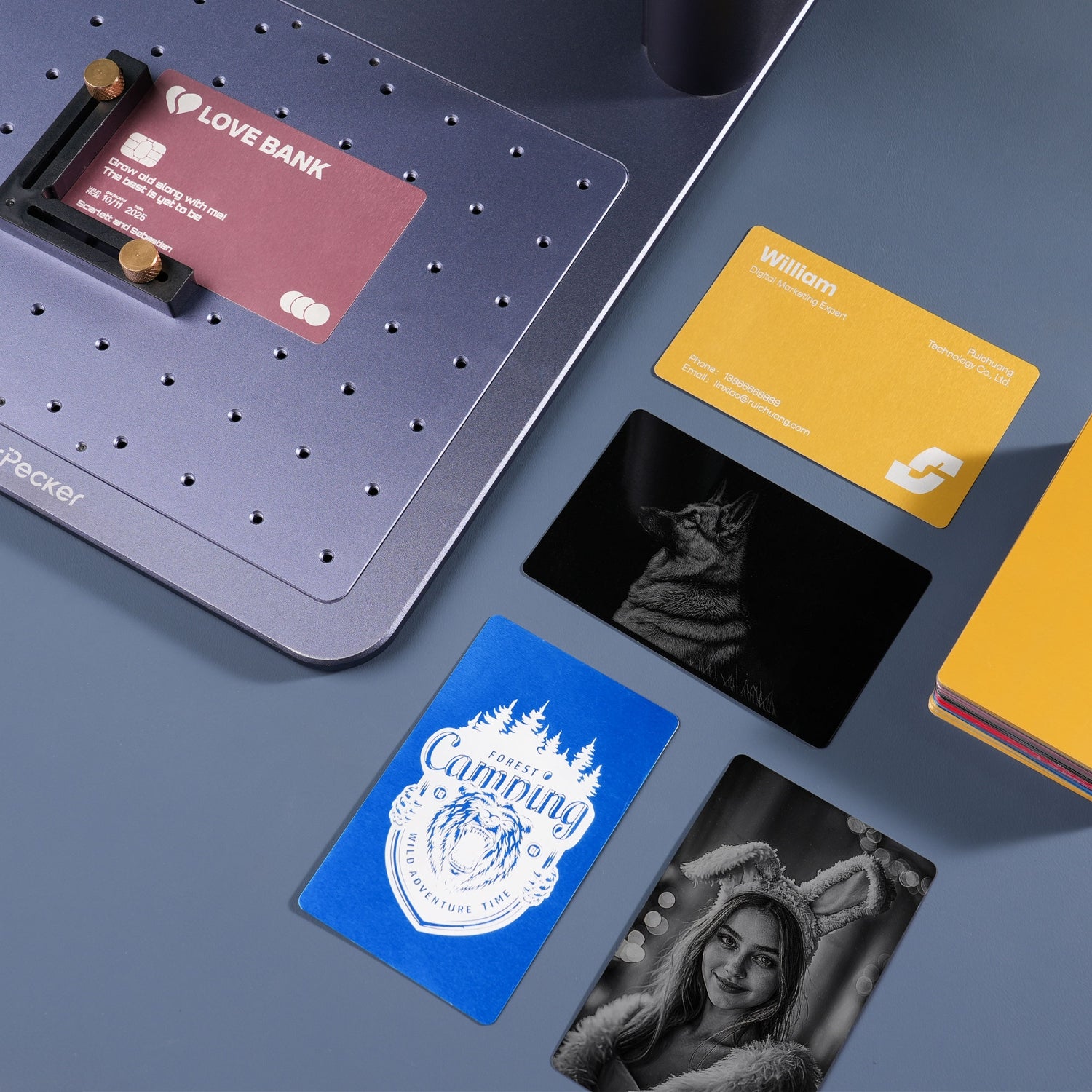
Step 2: Choose the Right Laser Cutter for Aluminum Business Cards
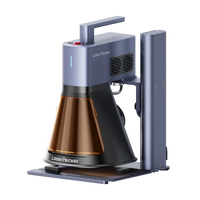
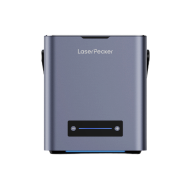
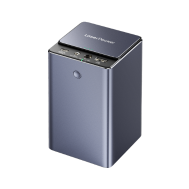
Here, we choose the LaserPecker LP5, a dual, multifunctional laser engraver particularly well-suited for cutting thin aluminum sheets.
Step 3: Prepare the Engraving Design
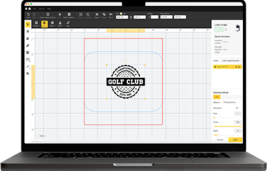
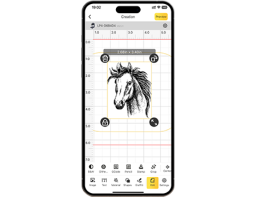
Create or import the image or pattern you want to engrave onto the aluminum business card using the LDS app/software. Then define the contour and cut the card into the desired shape.
Step 4: Set Up the Laser Cutter for Aluminum
For optimal results, the following LaserPecker 5 material settings are recommended for aluminum:
- Power: 20W 1064nm
- Resolution: 2k
- Power: 100%
- Depth: 100%
- Passes: 3
Further LaserPecker material settings for all LaserPecker engraving and cutting machines (LP1–LP5) can be found in the corresponding table.
Step 5: Start Laser Cutting Aluminum
Carefully check everything to avoid errors. Then press the start button and observe the result.

Source: Project by LaserPecker CraftZone
Conclusion
Mastering aluminum laser cutting requires practice, knowledge, and the right equipment. From understanding material properties to fine-tuning laser settings, every step brings you closer to professional results.
With the techniques and tips shared in this guide, you will gain confidence and experience, enabling you to create precise, durable, and impressive aluminum projects. Whether for hobby or business – your journey from beginner to professional starts here, and the possibilities are endless.