









































Personalized products are more popular than ever – and pencils are no exception. Whether you're a teacher labeling classroom materials, a business promoting your brand, or simply want to add a creative, individual touch to an everyday item: personalized pencils are an easy way to stand out.
In this guide, you'll learn how to design custom pencils, what personalization methods are particularly popular, and why laser engraving is the most durable and precise solution. We'll also show you how to engrave a name on a pencil, and walk you through the entire engraving process step-by-step.

In this article:
- Part 1: Why Personalized Pencils Are Worth It
- Part 2: Five Methods for Personalizing Pencils
- Method 1: Laser Engraving
- Method 2: CNC Engraving
- Method 3: Sticker Paper or Rubber Stamps
- Method 4: Thermal Transfer Printing
- Method 5: Hot Foil Stamping
- Part 3: Personalizing Pencils with Laser Engraving
- Part 4: FAQs on Personalized Pencils
Part 1: Why Personalized Pencils Are Worth It
Personalized pencils are practical, inexpensive, and easy to produce. Whether you want to organize materials, promote a brand, or create a thoughtful gift: custom pencils are a simple solution with lasting value.
Here are some of the key benefits of personalizing pencils with a name, logo, or your own design:
- Avoid confusion: Names help students, teachers, and employees quickly identify their pencils and prevent accidental mix-ups.
- Showcase your brand: Companies, schools, and organizations can cost-effectively brand pencils with logos or slogans to increase their visibility.
- Create unforgettable gifts: A pencil engraved with a name, message, or special date is a simple yet personal gift.
- Keep things organized: Color-coded or labeled pencils make it easier to assign them to subjects, projects, or tasks.
- Express creativity: Your own quotes, symbols, illustrations, or designs transform an ordinary pencil into a distinctive one-of-a-kind item.
Whether you want to make personalized pencils yourself for a school project or produce professionally branded stationery: individually designed pencils combine functionality with personal expression.
Part 2: Five Methods for Personalizing Pencils
Below, we present five common methods for personalizing pencils and discuss their respective advantages and disadvantages.
Method 1: Laser Engraving
Laser engraving is widely considered the best method for creating custom pencils. The focused laser beam of a laser engraver permanently marks the surface – without ink, labels, or direct mechanical contact. The result is a clean, precise engraving that won't fade, chip, or rub off.
This method is excellent if you want to know how to personalize pencils with names. Logos, messages, and intricate designs are also possible. Laser engravings work on wooden pencils as well as on many painted and coated surfaces, consistently delivering professional results.

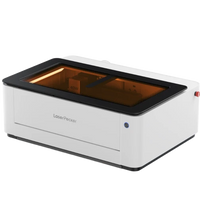
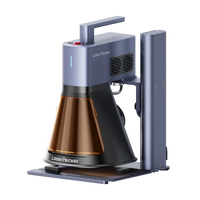
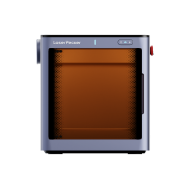
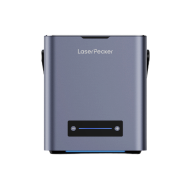
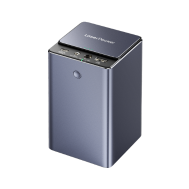
Recommended Laser Engraver for Personalized Pencils: LaserPecker LP4
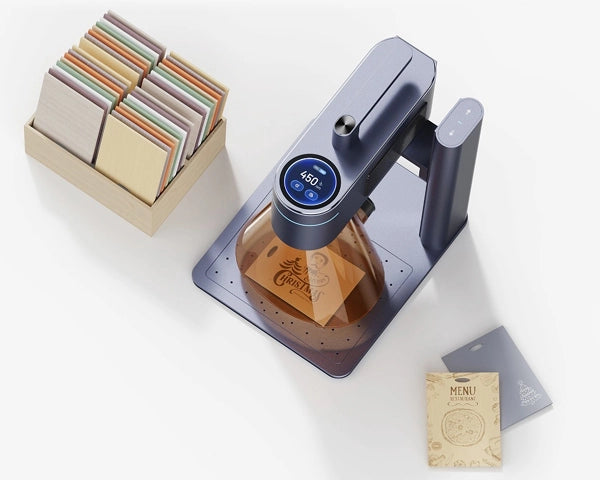
The LaserPecker LP4 is a compact dual-laser engraver for personalizing pencils, pens, school supplies, stationery gifts, and small promotional items.
-
10W Diode Laser for Engraving Wooden Pencils
The 10W diode laser permanently and clearly engraves names, text, simple graphics, and decorative patterns onto wooden pencils. -
High-Speed Engraving at 4,000 mm/s
The fast galvo system allows for quick personalization of pencils for schools, events, gifts, and small series of promotional items. -
High Precision for Small Texts and Logos
The LP4 accurately reproduces fine names, class numbers, short quotes, symbols, and small brand logos, even on narrow pencil surfaces.
Method 2: CNC Engraving
CNC machines mill designs directly into the surface of a pencil using rotating cutting tools. This creates deeper engravings than with a laser, which can be particularly useful for industrial production.
However, CNC engraving is generally slower, louder, and requires more maintenance. Very small text and delicate details are difficult to achieve. Therefore, it is less practical for names and detailed logos.
Method 3: Sticker Paper or Rubber Stamps
For simple DIY projects, sticker paper and rubber stamps are inexpensive and easy to use. You can print names, initials, and small graphics or stamp them directly onto the pencils.
This method is particularly popular in classrooms and for craft projects. However, stickers can peel off over time, while stamp ink may fade or smudge with frequent use.
Method 4: Thermal Transfer Printing
Thermal transfer printing involves transferring a design from a transfer film to the pencil using heat and pressure. This can create colorful and eye-catching graphics that would be difficult to achieve with pure engraving.
The visual results can be convincing, but the printed surface can wear down with regular use and sharpening. Additionally, special equipment and careful temperature control are required.
Method 5: Hot Foil Stamping
Hot foil stamping uses heat and metallic foil to apply shiny text or designs to the pencil surface. This method is often used for promotional items, high-quality stationery, and corporate gifts.
The result looks elegant and professional, but it is best suited for simple text and graphics. As the equipment can be relatively expensive, this method is less suitable for small DIY projects.
| Method | Precision | Durability | Operation | Ideal for | Recommendation |
|---|---|---|---|---|---|
| Laser Engraving | ★★★★★ | ★★★★★ | Medium | Versatile Personalization | For professional, precise results |
| CNC Machine | ★★★★☆ | ★★★★☆ | Complex | Industrial Production | For bulk orders |
| Sticker Paper / Stamp | ★★☆☆☆ | ★☆☆☆☆ | Easy | DIY, School Supplies | For simple projects |
| Thermal Transfer | ★★★☆☆ | ★★★☆☆ | Medium | Decorative Designs | For colorful surfaces |
| Hot Foil Stamping | ★★★☆☆ | ★★★★☆ | Difficult | High-Quality Branding | For gifts & promotional items |
Each method has its strengths, but laser engraving clearly stands out. It combines quality, precision, and speed. Since the laser does not touch the material, the process remains clean and the result is permanent.
The design remains intact even with intensive use. Unlike stickers or ink, laser engravings remain legible despite frequent handling and sharpening. Additionally, the laser can handle intricate graphics and tiny text that are barely possible with other methods. This makes the process ideal for personal gifts, company items, and school supplies.
Part 3: Personalizing Pencils with Laser Engraving
Wondering how to personalize pencils and achieve a professional result? Laser engraving is one of the simplest and most durable methods. Once the design is prepared, the process is straightforward. The permanent mark won't chip, fade, or rub off.
Follow these steps to create custom engraved pencils.
Step 1: Create the design
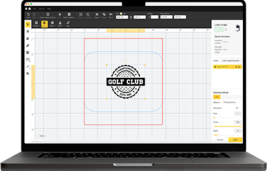
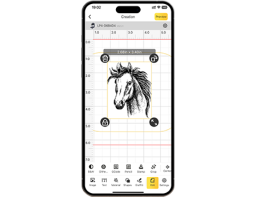
First, create the text, logo, graphic, or name you want to engrave. Vector-based design software is particularly suitable as it allows for clean lines and sharp engraving results. Keep small fonts as simple as possible and avoid overly complex graphics to ensure everything remains legible.
Step 2: Select the appropriate pencil
Wooden pencils are usually the easiest to engrave, but many painted and coated varieties are also suitable. Before engraving, ensure the surface is clean and free of dust, oil, and other residues.
Step 3: Securely fix the pencil
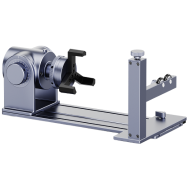
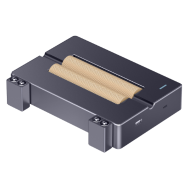
Secure the pencil in a jig, clamp, or rotary attachment so it doesn't move during engraving. Careful alignment ensures that names, logos, and designs are engraved straight and centered.
Step 4: Set laser parameters
Adjust the laser power, speed, and focus to match the pencil's material. Softer woods often require less power, while dark coatings may need higher power to achieve a strong contrast.
A small test engraving can help determine the optimal settings before processing multiple pencils.
Step 5: Review preview and engrave
Check the position of the design using the device's preview function. Once everything is correctly aligned, start the engraving. The laser applies precise, high-contrast details permanently to the surface.
Step 6: Clean and inspect the finished pencil
After engraving is complete, wipe off any dust and residue with a soft cloth. Then check that the text and graphics are clear and evenly marked.
Your custom pencil is now ready. The durable design will withstand daily use and regular sharpening.
Part 4: FAQs on Creating Personalized Pencils
Q1. Can personalized pencils be produced in large quantities using laser engraving?
Yes. Laser engraving is one of the most efficient methods for producing large quantities of personalized pencils. Once a design is created, the name, logo, or graphic can be engraved repeatedly with consistent quality.
This makes laser engraving ideal for schools, corporate events, promotional campaigns, sales products, and personal gifts. Modern laser engravers can also save settings and repeat jobs, which significantly simplifies series production.
Q2. What is the best way to personalize pencils for students?
If you need durable name labels for school supplies, laser engraving is often the best choice. Unlike stickers or printed labels, engraved names do not peel off, smudge, or fade, even with daily use.
Teachers, parents, and schools can easily label pencils with student names, class numbers, or subject identifiers. This reduces lost materials and creates more order.
Q3. What types of pencils can be engraved?
Most wooden pencils can be successfully engraved. Many painted, lacquered, and coated pencils are also suitable for laser engraving.
The final appearance depends on the material and surface treatment. Before processing a larger series, a test engraving is always recommended to achieve the best contrast and desired level of detail.
Q4. Which method for personalizing pencils is the most durable?
Laser engraving is generally the most durable personalization method, as the design is permanently etched into the pencil's surface. Unlike stickers, printed designs, or transferred coatings, engraved text remains visible even with frequent handling and sharpening.
Conclusion
If you want to know how to create personalized pencils that last, laser engraving is a particularly reliable solution. It is suitable for many types of pencils and allows for simple name engravings as well as detailed brand logos and illustrations.
With the right equipment and a creative design, you can easily customize pencils for personal use, school projects, corporate advertising, or special events. Even a simple pencil can become a personal keepsake.