







































Personalized glass is a popular choice for gifts, weddings, corporate branding, restaurants, and home decor. From custom-designed wine glasses and engraved drinking glasses to branded barware, custom glass products add a special and professional touch to any occasion.
Do you want to know how to personalize glassware? In this guide, we will present the most effective methods for glass finishing – including laser engraving, sandblasting, printing, and vinyl decals.

In this article:
- Part 1: Why personalized glassware is becoming increasingly popular
- Part 2: The 5 best methods for glass finishing
- Method 1: Laser engraving on glass
- Method 2: Sandblasting / Etching
- Method 3: UV Printing & Screen Printing
- Method 4: Vinyl Decals & Stickers
- Method 5: Hand Painting / Calligraphy
- Part 3: Personalizing glassware with a laser engraver
- Part 4: Frequently asked questions about personalized glassware
Part 1: Why personalized glassware is becoming increasingly popular
There are many reasons why more and more people want to learn how to personalize glass and choose individual designs:
Unforgettable Gifts for Special Occasions
Personalized wine glasses, champagne flutes, whiskey glasses, and drinking glasses make meaningful gifts for weddings, anniversaries, birthdays, and corporate events. Names, initials, dates, or personal messages transform everyday glassware into lasting mementos.
Professional Corporate Branding
Restaurants, bars, breweries, hotels, and event companies use custom-branded glassware to strengthen their brand awareness. Engraved or printed logos ensure a professional appearance and help companies stand out from the competition.
Part 2: The 5 best methods for glass finishing
There are various methods for glass personalization, each offering a unique look and different technical characteristics. Below, you will learn which method is suitable for which application.
Method 1: Laser Engraving on Glass (Recommended)
An individual glass engraving with a laser is one of the most durable and professional ways to personalize glassware. A laser engraver creates a permanently frosted design by precisely working the glass surface – without ink, chemicals, or adhesives.
Glass engraving is ideal for names, logos, monograms, motifs, and individual texts. Since the design is directly etched into the glass surface, it cannot peel, fade, or wash off when cleaned.
This method is particularly suitable for personalized gifts, wedding glasses, branded drinking vessels, and small production runs.
Method 2: Sandblasting and Glass Etching
Sandblasting and etching are classic methods of glass finishing that create a uniform, frosted surface. The areas that are to remain transparent are first covered. Then, an abrasive material is applied to the exposed areas.
Method 3: UV Printing & Screen Printing
UV and screen printing involve applying ink directly to the glass surface. UV printing allows for detailed graphics, photos, and full-color motifs, while screen printing is better suited for simple logos and repeating designs.
Method 4: Vinyl Decals & Stickers
Vinyl decals offer a quick and inexpensive way to customize glassware. They are easy to apply and allow for colorful, eye-catching designs – all without special equipment.
Method 5: Hand Painting / Calligraphy
Hand painting and calligraphy are particularly personal and artistic forms of glass finishing. Unique designs, names, or decorative patterns can be created with special paints and pens.
While this method requires more time and manual skill, it offers maximum creative freedom. It is excellent for individual gifts, decorative items, and handmade products.
Comparison of Glass Finishing Methods
| Method | Suitable Glass Types | Precision | Durability | Appearance | Best suited for |
|---|---|---|---|---|---|
| Laser Engraving | All common types (wine glasses, mugs, bottles, drinking glasses) | ★★★★★ | ★★★★★ | Elegant, frosted | Professional gifts, small series |
| Sandblasting / Etching | Thick-walled glass, bottles, decorative items | ★★★★☆ | ★★★★☆ | Soft, matte texture | Weddings, high-quality designs |
| UV / Screen Printing | Smooth glass surfaces | ★★★☆☆ | ★★★☆☆ | Colored, modern | Logos, events, bar accessories |
| Vinyl Decals / Stickers | Any smooth, flat surface | ★★☆☆☆ | ★☆☆☆☆ | Bright, temporary | DIY projects, parties |
| Hand Painting / Calligraphy | Decorative glass and art glass | ★★★☆☆ | ★★★☆☆ | Artistic, unique | Personalized gifts, art objects |
Among these methods, individual glass engraving particularly impresses with its precision, durability, and professional appearance. Since the motif is permanently engraved into the glass surface, it remains clear and attractive even after years of use.
In the next section, we will show you step-by-step how to engrave glass – including the necessary tools, materials, and settings for professional results.
Part 3: Personalizing Glassware with a Laser Engraver
Laser engraving is a particularly clean, fast, and professional method for glass finishing. With the right preparation, even beginners can achieve convincing results.

Required Tools and Materials
For laser engraving on glass, you will need the following equipment:
- A laser engraver suitable for glass. CO₂ lasers or 450nm diode lasers are well suited for this.
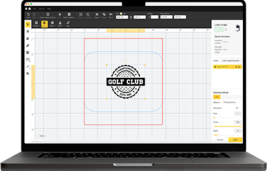
- Design software. LightBurn, for example, is a good choice for creating and preparing your designs.
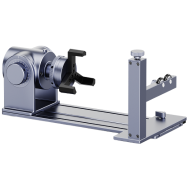
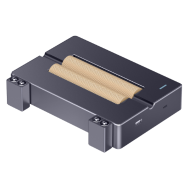
- A Rotary Extension. This is useful if you want to engrave curved surfaces such as wine glasses.
- Masking tape or engraving spray. Both help ensure a clean and even marking.
- A microfiber cloth and rubbing alcohol to thoroughly clean the glass beforehand.
- Safety glasses and gloves. Safety always comes first.
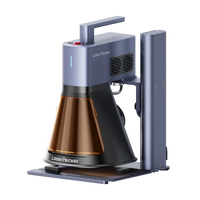
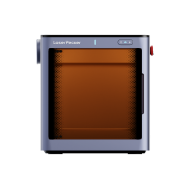
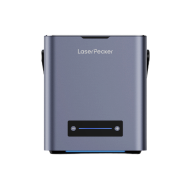
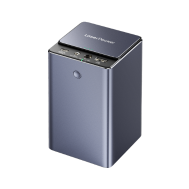
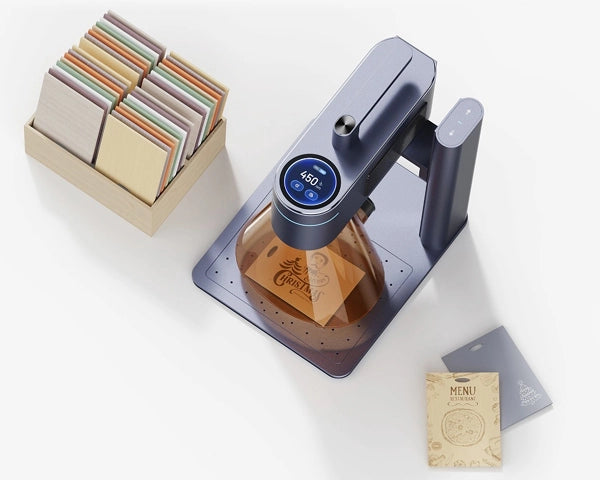
Recommended Laser Engraver for Glass Personalization: LaserPecker LP4
The LaserPecker LP4 is a compact dual-laser engraver suitable for personalizing glassware, drinking vessels, gift items, and small decorative objects.
-
High-speed engraving at up to 4,000 mm/s
The LP4's fast galvo system allows for quick engraving of names, logos, wedding dates, and decorative patterns on glass. This makes the device ideal for personalized gifts and small production runs. -
Rotary engraving for cylindrical glasses
With appropriate rotary accessories, the LP4 can engrave curved objects such as wine glasses, mugs, glasses, and bottles with precise positioning and consistent results. -
High precision for names, logos, and patterns
The LP4 delivers detailed engraving results for initials, wedding dates, brand logos, monograms, and decorative motifs on glass.
Step-by-Step Guide: Personalizing Glass with a Laser
Below, you will learn step-by-step how to customize glass with a laser:
1. Prepare the design:
Choose a clearly recognizable logo or a suitable text. Import the motif into your engraving software and adjust the size to fit the glass. For particularly clear results, a grayscale or vector file is recommended.
2. Clean and cover the glass:
Clean the glass with alcohol to remove grease and dust. Then apply masking tape or engraving spray. This allows the laser to mark more evenly and reduces distracting reflections.
3. Set up the laser engraver:
Securely fix the glass. For round objects, you should use a Rotary Extension. With suitable engravers, the laser angle can also be adjusted, allowing larger or curved surfaces to be processed without constantly repositioning the workpiece.
4. Adjust laser settings:
Use low power and a medium speed to reduce the risk of cracks. Adjust power, focus, and engraving depth until a uniform, frosted surface is created.
5. Start engraving:
Start the engraving process and ensure consistent depth and a clear result. Dual-laser systems, for example with diode and infrared, can produce precise, frosted markings and make the processing efficient.
6. Clean the surface:
Carefully remove residues with a soft cloth. For a glossy appearance, you can polish the engraved area. Alternatively, leave the surface matte to achieve the typical frosted look.
Part 4: Frequently Asked Questions about Personalized Glassware
Q1. Can all types of glass be laser engraved?
Most types of glass can be laser engraved, including wine glasses, whiskey glasses, beer mugs, drinking glasses, bottles, and many decorative glass objects. However, some types of glass are more sensitive to heat and can crack more easily.
Therefore, start with a lower laser power and test the settings on a comparable piece of glass before engraving the actual product.
Q2. Do I need a Rotary Extension to engrave glasses?
For curved objects such as wine glasses, drinking glasses, mugs, and bottles, a Rotary Extension is highly recommended. It rotates the glass during processing, keeping the laser in focus and achieving uniform results.
For flat glass surfaces, a rotary attachment is generally not necessary.
Q3. How do I prevent glass from cracking during engraving?
Glass can crack if too much heat builds up in a short time. To reduce the risk, you should use lower power, a moderate engraving speed, and a correctly set focus. Many users also use masking tape or engraving spray to distribute the heat more evenly.
Always allow the glass to cool naturally after engraving and avoid sudden temperature changes.
Q4. Is laser engraving better than sandblasting or printing?
Which method is best suited depends on your project. Laser engraving is often preferred because it produces permanent and very detailed designs that will not peel, fade, or wash off.
Sandblasting creates a softer, frosted appearance and is well suited for decorative applications. UV and screen printing, on the other hand, are ideal for colored graphics and branding. If durability and precision are paramount, individual glass engraving is usually the best choice.
Conclusion
Learning how to personalize glassware opens up numerous possibilities for unique gifts, branded drinking vessels, wedding decorations, and individual home accessories. Whether sandblasting, printing, hand painting, or vinyl decals – each method offers its own advantages.
For those seeking the highest precision, long durability, and professional results, laser engraving on glass remains one of the most effective methods. It creates permanent, frosted designs that will not peel, fade, or wear off. This makes it suitable for both private projects and commercial applications.
With the right tools, materials, and techniques, it is easier than ever to engrave glass professionally and create individual pieces. Whether you want to personalize a single wine glass or produce a series of branded products – high-quality engraving can transform ordinary glasses into something special.