





















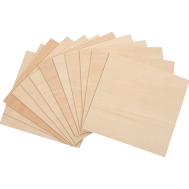
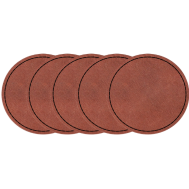
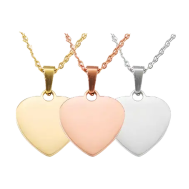
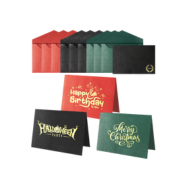






















Personalized stamps are a great way to add a personal touch to your letters, packages, crafts, and even your company image. Forget boring, store-bought stamps.
When you design your own stamp, you can decide on the design, material, and function. Whether you want a standard rubber stamp, a wooden stamp, or even a robust metal stamp, there's a way to make it happen.

This article contains:
- Part 1: Why a stamp that you can design yourself?
- Part 2: The 4 best methods for personalized stamps
- Method 1: Create a personalized stamp using a carving tool (traditional method)
- Method 2: Create a personalized stamp using a Cricut machine (modern DIY method)
- Method 3: Create a personalized stamp using a laser (professional method)
- Method 4: Other modern methods
- Part 3: Creative ideas for stamps
- Part 4: Tips for engraving the best stamp
- FAQs: Questions about the production of personalized stamps
Part 1: Why a stamp that you can design yourself?
Creating your own stamps eliminates the need for store-bought ones. You can transform any design, logo, or lettering into a stamp. This saves you money, allows you to unleash your creativity, and lets you create cool, unique items for fun or professional use.
Part 2: The 4 best methods for personalized stamps
Personalized stamps are a fun and practical way to add unique designs to cards, packaging, or crafts. From traditional hand engraving to modern laser engraving, there are various methods for creating your own stamps. Here are four popular techniques to help you choose the one best suited for your project.
Method 1: Create a personalized stamp using a carving tool (traditional method)
Stamps? They're great for hobbies or small businesses! The old-fashioned method of carving them by hand? Super easy and doesn't require many tools.
Advantages and disadvantages
Advantages: Very affordable, requires no complex equipment and allows for complete customization to one's own preferences.
Disadvantages: Relatively time-consuming, and steady hands are essential for good results.
Tools and materials
- A rubber stamp carving block or even just an eraser
- Carving tools or a craft knife will also suffice.
- An ink pad.
- Pencil and tracing paper.
Step-by-step instructions
Step 1: Sketch your design on paper or print it out.
Step 2: Transfer the design onto the rubber using tracing paper.
Step 3: Take your carving tools and cut away anything you don't want.
Step 4: Try it out with some ink and correct anything you don't like.
Step 5: Smooth and polish the edges with a smoother, a polishing tool, and some wax.
This method? Invaluable for newcomers who are enthusiastic about traditional craftsmanship and simply want to create a few small, simple designs.
Method 2: Create a personalized stamp using a Cricut machine (modern DIY method)
If you enjoy crafting and own a Cricut machine, you can quickly and easily make stamps with it. The machine cuts the stamp shapes from rubber sheets.
Advantages and disadvantages
Advantages: It is faster and more precise than cutting by hand, so detailed designs turn out perfectly.
Disadvantages: The machine can only cut to a certain depth, and you need to own a Cricut.
Tools and materials
- Cricut Maker or Explore
- Stamp foils
- Cutting mat with strong adhesion
- Cutting knife
- stamp pad
Step-by-step instructions
Step 1: Upload your design to Cricut Design Space.
Step 2: Stick the rubber plate onto the mat and insert it into the device.
Step 3: Set the desired cutting depth and let Cricut do its work.
Step 4: Glue the stamp onto a wooden block to make it easier to handle.
This type of stamp making is ideal for DIY enthusiasts who want to achieve good results but don't need overly professional equipment.
Method 3: Create a personalized stamp using a laser (professional method)
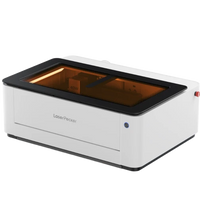
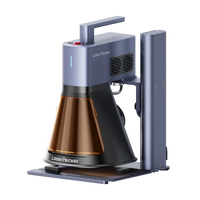
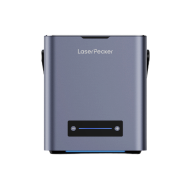
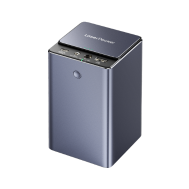
Laser engraving is a very useful method for engraving stamps made of rubber, wood, and even metal. Laser stamping is precise, fast, and allows you to repeat the same process, making it a great choice for both hobbyists and professionals. With a laser engraving machine like the LaserPecker LP5 , you can switch between a 20W fiber laser and a 20W diode laser. This allows you to engrave, cut, or press designs into many different materials.

Advantages and disadvantages
Advantages: Laser engraving machines are suitable for a wide variety of materials (rubber, wood, metal, etc.). They allow for the engraving of the finest details, work very quickly, and are therefore ideal for mass production.
Disadvantages: The purchase costs are higher and it takes some time to become familiar with the settings and safety precautions.
Tools and materials
- Laser engraving machine for stamps (like the LP5)
- Rubber sheets, wooden blocks or pieces of metal
- Design program (LightBurn or LaserPecker Design Space)
- Stamp pad (for rubber or wood) or hammer (for metal)
Step-by-step instructions for making a stamp
Rubber is a popular material for stamps. Laser engraving is faster and more precise than hand carving.
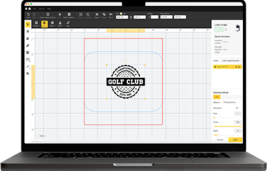
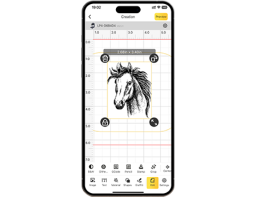
Step 1: Prepare your design in the PC software or mobile app and turn it over so that the stamp prints correctly.
Step 2: Insert a rubber plate into the device and focus it.
Step 3: Set the desired engraving depth so that the design stands out and the background is burned away.
Step 4: Cut out the stamp with the laser after engraving.
Step 5: Glue it to a wooden block so it's easy to hold, and start stamping.
Step 6: This method is well suited for logos, words, or designs that would take too long to engrave by hand.
Step-by-step instructions for making a wooden stamp
Wooden stamps have a natural look. They can also be used for decoration.
Step 1: Choose a flat piece of wood (maple or beech are suitable).
Step 2: Bring your design and turn it over before marking.
Step 3: Use the laser to mark the design deep into the wood so that it stands out for stamping.
Step 4: Sand the edges smooth if necessary.
Step 5: Try it with a stamp pad – wood absorbs ink differently than rubber, so the print will look older.
Step 6: Wooden stamps are great for crafts, packaging, or if you want something that looks handmade.
Step-by-step instructions for making a metal stamp
Metal stamps are used to imprint on harder materials like leather, clay, or soft metals. They can also be used as wax seals for letters, invitations, or packaging. Simply heat the stamp slightly, press it into the sealing wax, and you'll achieve an elegant, old-school style.
Step 1: Prepare your design in the PC software or mobile app and turn it over so that the stamp prints correctly.
Step 2: Insert a rubber plate into the device and focus it.
Step 3: Set the desired engraving depth so that the design stands out and the background is burned away.
Step 4: Cut out the stamp with the laser after engraving.
Step 5: Glue it to a wooden block so it's easy to hold, and start stamping.
Step 6: This method is well suited for logos, words, or designs that would take too long to engrave by hand.
Why the LP5 stands out
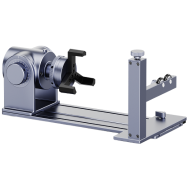
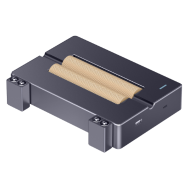
The LaserPecker LP5 is suitable for a wide variety of materials. With its 20W fiber laser and 20W diode laser, you can accurately mark rubber and wood while also tackling challenging tasks like cutting brass or steel. The LP5 achieves cutting speeds of up to 10,000 mm/s and delivers exceptionally deep markings. From rubber stamps to metal tools, the LP5 simplifies your production process. Additional components, such as the rotary extension module, even enable circular stamp marking, facilitating diverse creative projects.
Method 4: Other modern methods
Besides carving, Cricut cutting, or laser engraving, there are other ways to create custom stamps. You can 3D print shapes and cast them in rubber or silicone to achieve interesting textures and forms. Or you can order from online stamp makers. Simply upload your design, and you'll receive a professional-looking stamp, no tools required. Some even combine different methods, for example, using a Cricut for the basic shape and carving the details by hand. These options are useful if you want to experiment with different designs or don't want to commit to just one method.
Part 3: Creative ideas for stamps
Personalized stamps aren't just for decorating envelopes. If you run a small business, they're a cost-effective way to showcase your brand on packaging, bags, and cards without spending a fortune on expensive printed materials.
If you enjoy crafting or scrapbooking, you can use stamps to add cool textures and designs to your diaries and memory albums. Teachers also appreciate them for grading assignments or giving their students fun, encouraging notes.
With fabric paint, you can even stamp designs onto clothing or bags. And for something truly special, metal stamps can be used to emboss leather and clay. This gives wallets, belts, and pottery a unique, handcrafted look.
Part 4: Tips for engraving the best stamp
Ensure clarity: Use thick, clear lines and easily legible fonts. Playful designs often look attractive on screen, but can become messy or difficult to read when stamping.
Testing: First, make a test stamp on scrap paper. This allows you to adjust the cutting depth, laser settings, or ink before using the final material.
Proper mounting: Attach the rubber or other material stamp to a wooden or plastic block. This ensures even pressure and cleaner impressions, especially with frequent use.
Choosing the right ink: Pigment ink is well-suited for paper. For fabric, ceramics, or plates, you need special inks. The right ink prevents smudging and premature fading.
Keep them clean: Clean your stamps after every use, especially if they use permanent or fabric ink. A soft brush and a little cleaning agent will prevent residue and extend the life of your stamps.
FAQs: Questions about Making Custom Stamps
1. What are the best materials for stamps?
Rubber is particularly popular because it's flexible, inexpensive, and absorbs ink very well. Wood gives stamps a solid, classic feel—whether it's used simply as a base or directly engraved. Metal stamps are the most robust option: they're more commonly used for embossing materials like leather than for ink stamping. For everyday use, rubber is ideal, wood is suitable for long-lasting stamps, and metal is used when exceptional durability is required.
2. Do I need special software for laser engraving stamps?
Yes, the right software makes the entire process considerably easier. Programs like LightBurn or LaserPecker Design Space help to import and mirror designs, and to adjust laser parameters such as depth and speed. This results in clean, uniform stamps. Without suitable software, it becomes difficult to precisely reproduce fine details such as text or logos.
3. Can I make money selling personalized stamps?
Absolutely. Many vendors successfully sell personalized stamps for weddings, small businesses, or creative projects. It's important that your designs are original to avoid copyright issues. Handmade or laser-engraved stamps look high-quality and are reusable, making them especially appealing to customers. This can be a great way to earn extra income or even start an Etsy shop.
4. Is it worth buying a laser engraver only for making stamps?
It depends on your needs. For one or two simple stamps, manual methods or a cutting plotter are sufficient. However, if you plan to produce stamps regularly, a laser engraver saves a lot of time and delivers consistent, professional results. Furthermore, a laser can be used for many other materials and projects, making it particularly versatile.
Conclusion
Making your own stamps is fantastic because you can combine your creativity with something useful. You can engrave rubber the old-fashioned way, use a Cricut, or even laser-cut wood or metal. The best part? You get a stamp you can use forever. If you enjoy crafting, it's a great way to personalize your items. For small business owners, it's a chance to create their own unique brand.