









































Jeans have always been a timeless wardrobe essential – not only for their versatility but also for their ability to reflect personal style. With the right technique, you can transform plain jeans into striking apparel that uniquely suits you.
In this guide, we'll introduce you to some of the most popular methods for customizing jeans. You'll learn why laser engraving is redefining the future of denim design.

In this article:
- Part 1: Six Creative DIY Methods to Customize Your Own Jeans
- Method 1: Embroidery
- Method 2: Heat Transfer Printing
- Method 3: Hand Painting & Fabric Paints
- Method 4: Vintage Effect & Distressing
- Method 5: Fabric Patches
- Method 6: Laser Engraving
- Part 2: Tips for Customizing Jeans
- FAQs: Frequently Asked Questions about Customizing Jeans
Part 1: Six Creative DIY Methods to Customize Your Own Jeans
Customizing jeans is one of the best ways to express your creativity and make a personal fashion statement. Whether you prefer a handmade look or a clean, high-tech finish, there’s a method for every style and skill level. Here are six practical and creative ways you can create unique jeans.
Method 1: Embroidery
Embroidery adds a timeless, handcrafted touch to denim. You can embroider flowers, initials, patterns, or even small symbols to create texture and charm. This method is best for thicker areas like pockets or hems, where the fabric can securely hold the stitches. It’s a bit time-consuming but offers a rich, detailed look that never goes out of style.
Pros: Adds texture and dimension; designs are durable and colorfast; conveys a strong sense of craftsmanship.
Cons: Time-consuming; complex patterns require skill and patience.
Best for: Those who appreciate traditional craftsmanship and artisanal details.
Method 2: Heat Transfer Printing
Heat transfer is perfect for expressive designs and logos. It allows you to apply printed graphics or vinyl patterns directly onto denim using a heat press or iron. It’s ideal for clean, modern looks – just be sure to use even heat and pressure for smooth and durable results.
Pros: Easy and beginner-friendly; materials are affordable and widely available.
Cons: Can peel or fade after repeated washing; limited lifespan.
Best for: DIY novices who want quick, fun results.
Method 3: Hand Painting & Fabric Paints
For artists, fabric paints offer an open canvas. You can paint freehand motifs, color gradients, or abstract art directly onto your jeans. Acrylic-based fabric paints work best for denim; just remember to let the paint dry completely and set it to prevent fading.
Pros: The most artistic and personal approach – each piece can be truly unique.
Cons: Paint can crack or fade over time; touch-ups and special care are required.
Best for: Artistic individuals who view jeans as a creative canvas.
Method 4: Vintage Effect & Distressing
The vintage effect gives jeans a trendy, worn-in look that never loses its appeal. Use sandpaper, a razor blade, or a pumice stone to gently scuff specific areas like knees or thighs. You can also make small cuts or fray the edges to achieve a vintage look. Go slowly – subtle distressing usually looks better than overdone.
Pros: Creates a unique vintage or street-style look; very popular in youth fashion.
Cons: Irreversible process; can weaken the fabric and shorten the lifespan of the jeans.
Best for: Trendsetters who love a raw and rugged style.
Method 5: Fabric Patches
Fabric patches add contrast, texture, and personality to your jeans. Use denim patches for a classic, robust look or colorful prints for a playful touch. Iron-on patches are quick to apply, while sewn-on patches are more durable. This is also a great way to creatively repair torn jeans.
Pros: Eye-catching, layered look; allows combining different fabrics like leather, plaid, or prints.
Cons: Requires sewing skills to achieve a neat result; otherwise, the result can appear uneven or loose.
Best for: DIY enthusiasts who enjoy upcycling and redesign projects.
Method 6: Laser Engraving (High-Tech Option)
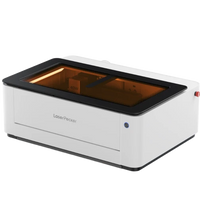
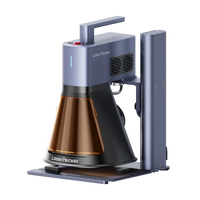
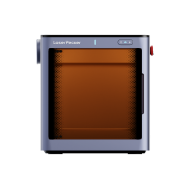
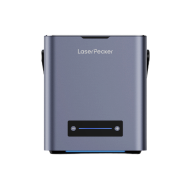
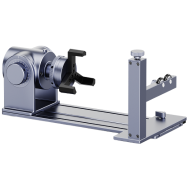
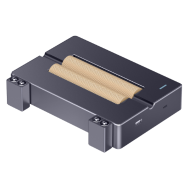
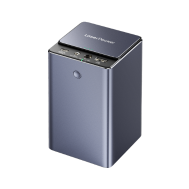
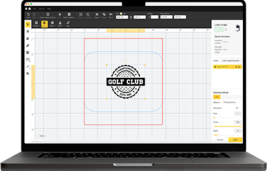
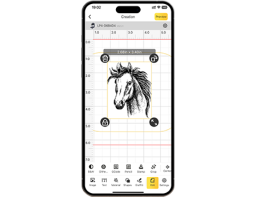
Laser engraving brings technology and precision to denim design. With a laser engraver for jeans like the LaserPecker LP2 Plus, you can laser text, logos, or detailed graphics directly onto the jeans. The laser lightly burns the surface, creating a clean, permanent pattern that won't fade or bleed. It's perfect for intricate designs and gives jeans a modern, futuristic style.

Pros of Engraving Jeans:
- Extremely detailed, ideal for complex designs
- Environmentally friendly – no ink or threads required
- Very durable; colorfast
- Precise placement on various parts of the jeans
Cons of Engraving Jeans:
- Permanent, irreversible
- Environmentally friendly – no ink or threads required
- Works best on darker denim; less contrast on light fabrics
| Methods | Cost | Ideal for | Skill Level |
|---|---|---|---|
| Embroidery | Low–Medium (thread & embroidery hoop tools) | Decorative details, names, patches | Medium |
| Heat Transfer Printing | Medium (vinyl films or printer + heat press) | Logos, photos, bold graphics | Easy–Medium |
| Hand Painting & Fabric Paints | Low (brushes & textile paints) | Artistic, gradient, or custom illustrations | Easy–Medium |
| Vintage Effect & Distressing | Very Low (scissors, razor, or sandpaper) | Vintage style, subtle wear, fashionable accents | Easy |
| Fabric Patches | Low to Medium (patches or iron-ons) | Repairs, distinctive accents, contrasting details | Easy–Medium |
| Laser Engraving | Medium to High (requires laser engraver) | Intricate illustrations, tiny text, professional finish | Medium–Hard |
Part 2: Tips for Customizing Jeans
Customizing jeans can be a fun and creative way to express your style, but a few tips can help ensure a neat and long-lasting result.
- Choose the Right Fabric: Denim comes in various weights and blends. Thicker cotton denim works well for embroidery, distressing, and patches, while synthetic blends or darker denim are better suited for laser engraving or heat transfers.
- Plan Your Design: Sketch your ideas before you start. Determine placement, size, and colors to avoid overcrowding or distortion.
- Test Before the Final Design: Try the techniques on a piece of scrap denim or an inconspicuous area first. This allows you to adjust settings for paint, heat transfer, or laser engraving.
- Follow Care Instructions: Wash customized jeans inside out on a gentle cycle and avoid harsh detergents or high temperatures to preserve your designs.
FAQs: Frequently Asked Questions About Customizing Jeans
1. Can I customize any type of jeans myself?
Most jeans can be customized, but the method depends on the fabric. Thick cotton denim is ideal for embroidery, hand painting, distressing, and patches, while synthetic or dark blends are best for laser engraving and heat transfers.
2. Will the designs stay on after washing?
Yes, if you use the right techniques. Fabric paints, markers, and vinyl transfers are durable, embroidery and patches hold up well, and laser engravings are inherently long-lasting. Always wash jeans inside out and on a gentle cycle.
3. Can I create professional-looking designs at home?
Absolutely! Heat transfer, embroidery, and laser engraving can produce high-quality results suitable for gifts, fashion projects, or small businesses.
4. Do I need special equipment for customization?
For DIY methods like embroidery, painting, or distressing, simple tools are sufficient. Laser engraving and vinyl heat transfers require specialized machines such as a laser engraver or a heat press.
Conclusion
Traditional techniques will always have a nostalgic charm, but denim fashion continues to evolve. With a laser engraver, you can easily customize your jeans yourself. Laser engraving your jeans finally allows them to live up to the complexity of your imagination – whether it's a striking graphic design, a personal mantra, or a signature logo.
Now, jeans are more than just clothing; they're a canvas for your story. What story will your laser-engraved jeans tell?