









































Book covers offer protection, style, and a personal touch. They protect your books while transforming them into lasting keepsakes. By crafting such a cover yourself, you can experiment with various methods and designs, creating a cover that showcases your skills.
In this article, you will receive instructions on how to make your own book cover. We will go through various methods, from using hand tools to machines like Cricuts, CNCs, and laser cutters.
I will explain the pros and cons of each method, list the tools you will need, and provide simple steps for creating your own unique leather book cover.

In this Article:
- Part 1: Why should you make your own leather book covers?
- Part 2: The 4 best methods for making a leather book cover
- Method 1: Making a leather book cover by hand
- Method 2: Making a leather book cover with Cricut
- Method 3: Making a leather book cover with a CNC machine
- Method 4: Making a leather book cover with a laser cutter
- Part 3: Creative ideas for DIY leather book covers
- Part 4: Tips for making the best leather book cover
- FAQs: Frequently asked questions about making a leather book cover
Part 1: Why should you make your own leather book covers?
When you make your own leather book cover, you have complete control. Choose your leather, verify the size, and add a personal touch with your initials or special stitching. Try adding creative elements like initials, engravings, or cool stitching to turn a simple book into a special keepsake. It's fun and useful to combine functionality with your own style.
Part 2: The 4 best methods for making a book cover
There are several methods for making a leather book cover, each with its advantages and disadvantages in terms of accuracy, customization, and equipment. These four methods are suitable for different skill levels, whether you prefer to work by hand or use machines to speed up the process.
Method 1: Making a leather book cover by hand
Crafting a leather book cover by hand is a time-honored skill. It requires some dexterity, a lot of patience, and careful work.
Pros and Cons
Pros: You have complete control. You choose the leather, the stitch type – everything. You don't even need special machines.
Cons: It takes a while to get good at it. Hand tools are not as precise as machines, so mistakes can be hard to fix.
Tools and Materials
- Genuine or artificial leather
- Cutting mat and utility knife or blade
- Ruler and measuring tape
- Leather punch and awl
- Waxed thread and needles
- Edge slicker and burnishing tool
- A book or notebook for measurement
Making a book cover: Step-by-step guide
Step 1: Measure your book, leaving some room for folding and stitching when cutting.
Step 2: Cut the leather to the correct size with a utility knife or blade.
Step 3: Punch even, evenly spaced holes for stitching along the edges. A leather punch or awl works great for this.
Step 4: Stitch the edges securely with waxed thread and a strong stitch to ensure the book cover holds up well.
Step 5: Smooth and polish the edges with a slicker, a burnishing tool, and some wax.
Step 6: Customize it! Add stamps, patterns, or some color.
Step 7: Place the book cover on your book and make sure it fits well.
Method 2: Making a leather book cover with Cricut
Cricut machines can cut many materials, even thin leather. They are faster and more precise than cutting by hand.
Pros and Cons
Pros: You get exact cuts and clean edges. Plus, you can use digital patterns. This is ideal if you're just starting out and want good results without a lot of manual labor.
Cons: It's better to use thin leather; the size of your book cover depends on how large your Cricut's cutting area is.
Tools and Materials
- Cricut machine with a deep-point blade
- Leather sheet for Cricut (genuine or artificial leather, less than 2.4 mm thick)
- StrongGrip cutting mat
- Ruler and cutting tools for adjustments
- Thread, needle, or glue for assembly
Making a book cover: Step-by-step guide
Step 1: Design your book cover in Cricut Design Space or choose a ready-made design.
Step 2: Place your leather piece on a StrongGrip cutting mat – make sure it adheres really well.
Step 3: Insert the deep-point blade and adjust your machine settings; set them precisely for the leather you are using.
Step 4: Let the Cricut machine do its work and cut the leather. Keep an eye on the process to ensure the edges are nice and clean.
Step 5: Carefully peel off the cut pieces one by one. Be gentle so nothing stretches or tears.
Step 6: Assemble the book cover. You can sew it or glue it, as you prefer.
Step 7: Spruce it up! Add vinyl, foil, or stitching to make the book cover stand out.
Method 3: Making a leather book cover with a CNC machine
With a CNC machine, you can cut thick leather or create engraved designs. This is a more robust method for making leather goods.
Pros and Cons
Pros: Very precise and consistent, can handle thick or stiff leather. Can engrave detailed patterns and cut many book covers quickly.
Cons: You need a CNC system, which can be expensive and difficult to operate. Setup also takes longer than with simpler methods.
Tools and Materials
- A CNC machine with milling cutters or a laser for leather
- Leather sheets (genuine, thick, or patterned leather)
- Clamps to secure the leather
- CAD software to design your cover
- Thread, glue, or rivets to hold the edges together
Making a book cover: Step-by-step guide
Step 1: Design the layout using CAD software. Adjust size and engravings as needed.
Step 2: Place the leather piece on the CNC machine. Make sure it is securely fastened.
Step 3: Select the correct cutting insert and adjust the cutting depth.
Step 4: Test the cut on a piece of scrap material to ensure it is correct.
Step 5: Cut and engrave the leather according to your design to create the book cover.
Step 6: Assemble the book cover by sewing, riveting, or gluing.
Step 7: Smooth the edges of the book cover and apply polish or conditioner to protect the leather.
Method 4: Making a leather book cover with a laser cutter
Laser cutting and engraving can revolutionize your leatherwork, improving accuracy, speed, and creative possibilities. A laser cutter is not just for cutting shapes, but can also apply designs, text, or logos to leather.
Pros and Cons
Pros: Laser cutters provide really clean cuts, are suitable for all types of designs, and allow for individual engravings. They are also faster and more precise than cutting leather by hand.
Cons: You need to own a laser cutter and have some design knowledge. Also, burn marks may appear on the leather if the settings are not exactly right.
Tools and Materials
- A laser cutter
- Leather sheets (vegetable-tanned leather is best for engraving)
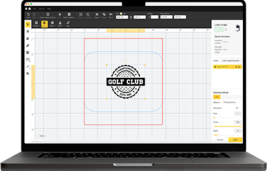
- LaserPecker Design Space for your patterns
- Thread, glue, or snaps for assembly
Making a leather book cover: Step-by-step guide
Step 1: Prepare your book cover design on your computer. Think about the size and any cool details you want.
Step 2: Take your leather and place it on the laser cutter. Make sure it's well-fixed so it doesn't slip.
Step 3: Adjust the laser settings precisely to your leather. You don't want to burn it!
Step 4: Now it's time to cut out all the leather pieces for your cover.
Step 5: If you want, you can engrave some designs, initials, or a logo into the leather to personalize it.
Step 6: Apply some leather oil to keep it looking nice for a long time.
Step 7: Apply leather oil or conditioner to protect the leather and maintain its appearance.
Making leather book covers – with the LP5
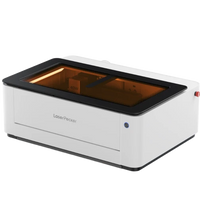
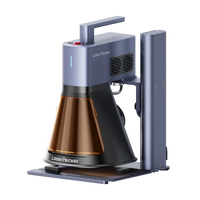
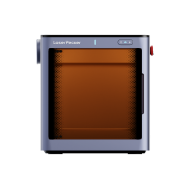
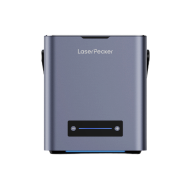
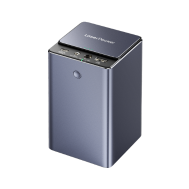
The LaserPecker LP5 revolutionizes leather processing. It features two lasers: a 20W blue diode laser and a 20W fiber laser. Together, they make it a powerful all-round tool for leather projects, whether for simple cuts or detailed engravings.

Source: LaserPecker LP5 FaceBook Group
Engraving: The fiber laser allows you to engrave sharp text, logos, or detailed designs on leather – for a long-lasting, professional finish. The diode laser is perfect for trendy patterns on natural materials like leather or wood.
Cutting: The LP5's diode laser precisely cuts basswood up to 20 mm thick and thicker workpieces. Additionally, the fiber laser processes 1 mm thick metal sheets – ideal if you want to add metallic accents to your leatherwork. For leather, the diode laser provides clean cuts on thin to medium-thick pieces, allowing you to effortlessly create book covers with smooth edges and custom cutouts.
Fast and precise: With an engraving speed of up to 10,000 mm/s, even demanding or relief-like leather designs are completed in the shortest possible time – and every detail remains crystal clear and sharp.
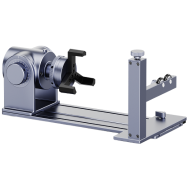
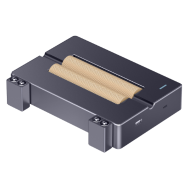
More possibilities: Additional modules like the slide extension (working area of 160 × 300 mm) and the rotary extension for round workpieces allow you to create far more than just flat book covers. Think of straps, buckles, or matching companion products.
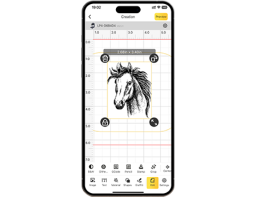
Easy and safe: The LP5 is compatible with LightBurn and LaserPecker Design Space – for intuitive drag-and-drop operation. The integrated safety enclosure makes it safe for indoor use – whether in studios, classrooms, or your home office.
For leather book covers, the LP5 offers far more than just cutting and engraving. It allows you to personalize and enhance your projects with professional precision, speed, and flexibility.
Part 3: Creative ideas for DIY leather book covers
You've now learned the basics of a book cover. Now comes the really cool part – making it your own. It's not just about making it look pretty. It's about making it special. Think of a unique gift or a personal touch for your own books. Here's how to make your book cover really stand out:
Initials or names: Give your cover a special touch with initials. This is a nice personal touch, especially if it's a gift.
Two-tone leather: Use two different types of leather for a cool look. Try dark brown with light brown for a modern look.
Embossed designs: Add a special touch to your cover with designs. Simple patterns look great.
Fancy stitching: Use colorful threads to stitch patterns. This turns a simple cover into a work of art.
Leather and fabric: Combine leather with denim or cotton. This gives you a unique style and feel.
Part 4: Tips for making the best leather book cover
Even if you have the right equipment, it's ultimately the little things that make a big difference. Take accurate measurements, choose good leather, and focus on the craftsmanship. This way, your book cover will not only look professional but also be durable and feel great. Here are some simple tips to help you get everything right:
Measure twice, cut once: Get the exact measurements of your book – length, width, everything. Add a little extra for folds and seams. Believe me, accurate measurements save leather and ensure a perfect fit.
Measure twice, cut once: Get the exact measurements of your book – length, width, everything. Add a little extra for folds and seams. Believe me, accurate measurements save leather and ensure a perfect fit.
Choose your leather: If you want to carve something, use vegetable-tanned leather. Do you need something soft to work with? Choose a softer variety. Better leather means your cover will last longer and look great.
Test it: Before you cut, sew, or anything else, try your design on a piece of scrap leather. This way you can experiment with your tools without damaging the good material.
Beautiful edges: Get an edge skiver, a burnishing tool, and wax to smooth and shine your edges. Clean edges look good and prevent the leather from falling apart.
Care: When you're done, treat your book cover with leather conditioner or oil. This will make the color pop, add shine, and ensure it looks good forever.
FAQs: Frequently asked questions about making a leather book cover
1. What leather is best for leather book covers?
Vegetable-tanned leather is usually the best choice. It is sturdy and holds its shape well. You can also emboss, engrave, or dye it to jazz it up. If you're looking for something softer that bends easily, opt for chrome-tanned or oil-tanned leather. If you're just starting out, thinner leather is easier to cut and sew. Thicker leather, however, looks more elegant.
2. Do I need special tools to make a book cover myself?
Not really, but you need more patience. A sharp knife, a ruler, and some sturdy thread are enough if you just want to experiment a bit. If you try proper leather tools like a punch or an edge finisher, you'll quickly notice the difference. With these tools, the cover looks cleaner and more professional without much effort.
3. How do I care for a leather book cover?
Treat it like a nice pair of shoes – clean and condition it from time to time. A light leather oil or conditioner will prevent it from drying out and cracking. Don't expose it to excessive moisture or leave it in the sun. If it gets dirty, simply wipe it with a damp cloth and let it air dry.
4. Can I make book covers for gifts or resale?
Absolutely. That's a big reason why they're so popular. You can emboss initials, engrave a cool saying, or decorate the sides with cool stitching to make them stand out. A handcrafted book cover feels personal and makes for a thoughtful gift. And if you want to sell them, people love that each piece is a little different.
Conclusion
Want to give your books a personal touch? Try your hand at a leather book cover! It's a great, practical project. You can cut the leather by hand, with a Cricut, or a laser cutter. No matter which method you choose, the book cover will bear your personal touch and offer a unique feel. Gather your tools, let your creativity flow, and transform an ordinary book into a lasting memento.