











































Custom doormats are a simple way to add more personality to your home. They welcome guests, represent your brand, or simply add style to your entryway as decoration – a personalized doormat brings character right to your doorstep. Thanks to modern engraving, printing, and resin techniques, it's easier than ever to design your own doormats.
In this guide, we'll show you several great manufacturing methods, explain how to laser engrave designs, and provide tips to help your doormat last a long time.

In this article:
- Part 1: 5 Ways to Create Custom Doormats
- Method 1: Handmade Custom Doormats
- Method 2: Laser Engraved Doormats
- Method 3: Screen Printing or Digital Printing
- Method 4: Pre-formed Base with Personalized Finish
- Method 5: Resin Casting / Epoxy Resin Sealing
- Part 2: How to Laser Engrave Designs and Text on Doormats
- Part 3: Tips for Making Doormats
- Part 4: FAQs about Making Personalized Doormats
Part 1: 5 Ways to Create Custom Doormats
Doormats are made from many different materials – coir, rubber, plastic, or fabric – and each material lends a unique style to your entryway. If you want a doormat that perfectly matches your home, here are five ideas to get you started.
Part 1: 5 Ways to Create Custom Doormats
Doormats are made from many different materials – coir, rubber, plastic, or fabric – and each material lends a unique style to your entryway. If you want a doormat that perfectly matches your home, here are five ideas to get you started.
Method 1: Handmade Custom Doormats
Handmade doormats are a simple way to add more personality to your home. They are easy to make yourself – with stencils and weather-resistant paint. You can add individual welcome messages or cool designs. These mats are particularly popular with DIY enthusiasts. Small businesses can also offer unique products with them. While they don't last forever, they add a rustic and authentic charm to the entrance area and are excellent as gifts or for decorating your own doorstep.

Method 2: Laser Engraved Doormats
Laser engraving is extremely precise and particularly durable. It removes the top layer of materials like coir, cork, or rubber mats to engrave text, patterns, or logos. The result looks clean, professional, and weather-resistant. This method is perfect for businesses or individuals who want high-quality and consistent results.

Method 3: Screen Printing or Digital Printing
Printing involves applying ink directly to the material. Screen printing is particularly well-suited for bold colors and simple designs. Digital printing, on the other hand, allows for more detailed motifs and images. However, prints can fade over time with intensive use or strong sunlight, which is why good sealing is important.

Method 4: Pre-formed Base with Personalized Finish
Custom rubber or PVC mats with logos or names can be made to measure. This industrial process produces particularly robust doormats, commonly seen in hotels, offices, or places with brand advertising. Manufacturing is more expensive and requires special molds, but the quality and precision are first-class.
Method 5: Resin Casting / Epoxy Resin Sealing
Epoxy resin casting is a popular DIY trend where items like photos, names, or glitter are encased under a transparent layer of resin. The result is a shiny, waterproof, and high-quality surface. This method is best suited for indoor use or decorative mats, as it is less suitable for high-traffic outdoor areas.
Comparison Table
| Method | Suitable Materials | Best Suited For | Difficulty |
|---|---|---|---|
| Laser Engraving (Recommended) | Coir, Rubber, Cork, PVC | Businesses, Premium Gifts | ★★☆☆☆ |
| Hand Painting | Coir, Fabric | DIY Users, Hobbyists | ★★★☆☆ |
| Screen/Digital Printing | Fabric, Rubber | Marketing or Colorful Designs | ★★★☆☆ |
| Pre-formed Custom Base | Rubber, PVC | Hotels, Corporate Branding | ★★★★★ |
| Resin/Epoxy Casting | MDF, Wood, Acrylic | Interior Decoration, Creative Art Projects | ★★★☆☆ |
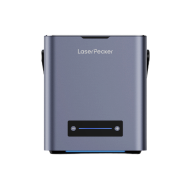
Laser engraving is an excellent choice because it is cost-effective, precise, and particularly durable. Devices like the LP4 with its dual-laser technology work on many different materials and make the entire process even more efficient.
In the next section, we'll show you step-by-step how to create a custom doormat with a laser engraver or laser cutter.
Part 2: How to Laser Engrave Designs and Text on Doormats
Laser engraving is a fast and precise method to apply professional and durable designs to a variety of doormats. Follow the steps below to laser engrave designs and text onto doormats.
Tools and Materials Needed
Before you start, you should prepare the following:
- A diode laser engraver
- Design software such as LightBurn or LaserPecker Design Space
- Masking tape or protective film
- Flat mats made of coir, rubber, cork, or PVC
- Air Purifier or fume extractor
- Cleaning brush or compressed air
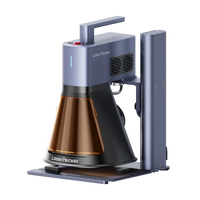
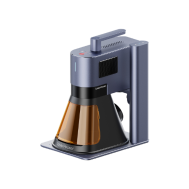
Choosing a versatile laser engraver is important. The LP4 Laser Engraver is a strong choice. As a dual-laser device, it features a 10W blue diode laser (450nm) and a 2W infrared laser (1064nm). It is excellent for soft materials, rubber, or coated PVC and produces consistent designs without burn marks. Thanks to touchscreen operation and engraving from various angles, it is easy to use for both beginners and professionals.
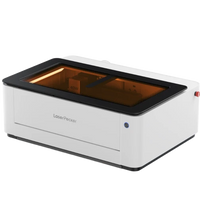
Alternatively, you can opt for the LaserPecker LX2. With powerful 20W/40W/60W diode laser options, it is designed to easily process even larger materials – ideal for large-format doormat engraving projects.
Steps to Make Personalized Doormats with a Laser Engraver
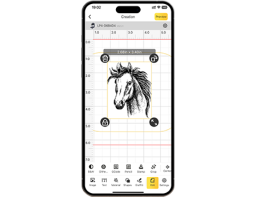
Step 1: Create Design
Start with your design. Use software like LightBurn or LaserPecker Design Space to create clear shapes and legible lettering. Focus on simple and bold designs – very fine lines don't always work well due to the material structure. Experiment with different fonts and spacing to see what works best on your mat. Black and white files usually yield the best results, and centered text or logos ensure a professional appearance.
Step 2: Prepare the Mat
Clean the mat thoroughly to remove dust, and lay it flat to avoid errors. Secure it to the laser bed with tape or clamps to prevent it from moving. If the mat was previously rolled up, weigh it down beforehand so it lies completely flat. Also, check on the screen that the design is straight and centered.
Step 3: Adjust Laser Settings
Different materials react differently. Coir and cork work well with low to medium power and slow speeds to create dark marks without burning. Rubber or PVC can tolerate a bit more power. Always test the settings on a small area first and save the values that yield the best results. With devices like the LP4, you can even adjust power and speed during the process without having to restart.
Step 4: Engrave
Start the engraving and observe the process carefully. Lasers like the LP4 ensure uniform engraving depths and clean edges. Good ventilation is important to remove smoke and prevent residues that could affect the design. For large mats, it's advisable to engrave in sections to keep everything sharp. Wait until the surface has cooled before touching it.
Step 5: Finishing Touches
After engraving, remove loose residue with a brush and wipe the mat with a dry cloth. A light coat of transparent outdoor sealant can enhance the colors and protect against water or fading. Check the result in good light. If some areas appear too light, you can re-engrave them with the LP4's "Engrave Again" function. Finally, a light polish ensures a clean and high-quality finish – perfect for using or gifting.
Part 3: Tips for Making Doormats
- Choose robust materials like coir, rubber, or PVC. They withstand outdoor use well and are excellent for engraving.
- Opt for bold designs. Small details often get lost on coarse materials.
- Ensure surfaces are clean and dry before starting the engraving to ensure an even result.
- If painting or printing the mat, seal it with outdoor polyurethane to prevent colors from fading.
- Use stencils or templates to align logos or frames precisely.
- If using epoxy resin, pour it slowly and gently heat it to remove air bubbles.
- Add names or house numbers to give your mat a personal and welcoming touch.
- Always test your settings on scrap material first to find the correct engraving depth and appearance.
- Keep your mat clean by shaking or brushing it weekly to keep engraved areas clearly visible.
With a good design, the right laser settings, and high-quality materials, you can create doormats that are durable, look great, and perfectly reflect your style. They are ideal for homes, offices, or showcasing your brand.
Part 4: FAQs about Making Personalized Doormats
1. Which materials are best suited for laser engraved doormats?
Coir, cork, and rubber are best suited. They withstand heat well and ensure the design stays beautiful for a long time. Coir looks more natural and classic, while rubber looks modern and clean. You should avoid thin fabrics, as they can easily burn. If you want something robust with fine details, a coir mat with a rubber backing is an excellent choice.
2. Can I engrave colorful designs with a laser?
Lasers typically produce dark or monochromatic engravings, so full-color designs are not possible directly with a laser. However, you can combine different techniques. For example, you can engrave the main design and then color it with outdoor paint. Some people only engrave the outlines and then fill in the colors. This creates a mix of technology and creativity!
3. How long does a custom laser-engraved doormat last?
If you use high-quality materials and seal the mat well, the engraving can last three to five years or even longer. Laser engravings do not peel or fade like vinyl or ink. While outdoor use can age the surface over time, the engraving itself remains visible. Regular cleaning and occasional re-sealing help keep the mat looking fresh for a long time.
4. Is laser engraving safe at home?
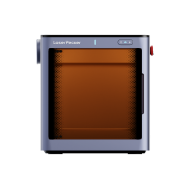
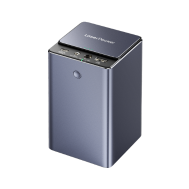
Yes, as long as you are careful and use the right equipment. Modern desktop laser engravers like the LP4 have various safety features and sensors. Always wear safety glasses and ensure good ventilation in the work area. For maximum protection, an original LaserPecker safety enclosure is recommended, which blocks 99.9% of laser light, allowing you to engrave safely even without safety glasses. Also, never leave the laser running unattended. With the right precautions, laser engraving is a safe and exciting hobby for home use.
Conclusion
Custom doormats combine functionality with personal style and create a great first impression at any entrance. Whether painted designs, creative prints, or precise laser engravings – each method has its own charm.
However, laser engraving particularly stands out due to its high precision, durability, and strong efficiency – especially with a powerful dual-laser system like the LP4. With the right tools, a bit of creativity, and careful work, you can design doormats that will welcome visitors for a long time and simultaneously showcase your personal style.