
















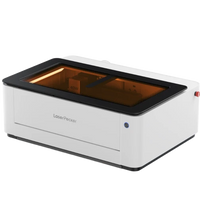
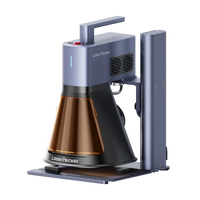


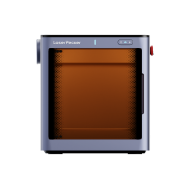


























Laser cutting a real letter from a digital font is incredibly satisfying and practical. You get crisp edges, can easily make copies, and use all kinds of materials, such as glossy plastic, wood, or even metal. Read on for ideas, material recommendations, and answers to frequently asked questions.

This article contains:
Part 1: Introduction to laser cutting of letters
Laser cutting is a technical method for producing lettering for signs, decorations, branding, or gifts. It is much more precise than traditional cutting and delivers clean edges, smooth curves, and similar results on various materials.
What are laser-cut letters?
Laser-cut letters are text shapes that are cut from materials such as wood, acrylic, metal, or cardboard using a laser. They are available flat, stacked, or combined with engravings for a cool look.

Advantages and disadvantages of laser-cut letters
Advantages: It looks clean and professional. You can use detailed fonts. It works for many things and is easy to repeat when creating multiple projects.
Disadvantages: You need a laser cutter. Some materials require post-processing after cutting, and finding the right settings can take some practice.
Part 2: Selecting the right materials for laser-cut letters
The choice of material is crucial, as it influences the entire nature of your project. Lasers behave differently with each material, so understanding the material properties helps to achieve the best possible result.
Acrylic
If you prefer a modern and clean look, acrylic is an excellent choice. Laser-cut acrylic lettering is frequently used for company logos, decorations, and event signage. The laser cuts acrylic very cleanly, creating smooth, glossy edges without the need for sanding.
Combining different colors or material thicknesses allows for the creation of multi-layered designs with added depth. Furthermore, acrylic is extremely robust, ensuring that the letters remain attractive for a long time, both indoors and in sheltered outdoor areas.
Wood
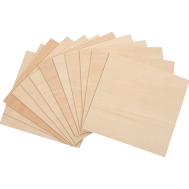
Wooden letters are perfect for a natural and warm style. Wooden letter cutouts are popular for home decor, DIY projects, or wedding decorations.
Additionally, they can be engraved and, if desired, lacquered or stained. Different types of wood create different effects. Birch and maple appear particularly smooth and fine, while reclaimed wood has a...
metal
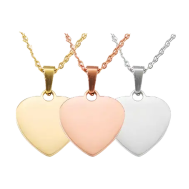
Metal letters stand for durability and stability. They are robust and ideally suited to industrial designs or outdoor signage. After laser cutting, they can be polished, brushed, or powder-coated to achieve the desired finish.
Metals such as brass or aluminum can also be engraved, allowing for the precise representation of logos, names, or decorative elements. This makes metal an excellent choice for both functional and decorative applications.
leather
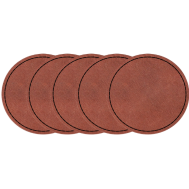
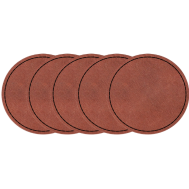
Leather lettering lends projects a soft and versatile touch. It is particularly suitable for clothing, patches, bags, or subtle branding. Laser engraving allows for the creation of fine details and logos without damaging the material.
Thanks to its flexibility, leather can easily be applied to curved surfaces or combined with other materials to achieve a modern and high-quality appearance.
Cardboard
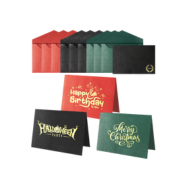
Cardboard letters are inexpensive and lightweight. They are often used for prototypes, short-term signage, children's projects, or large-format letters with a limited lifespan.
Cardboard can easily be painted, decorated, or layered to create added depth. It's also easy to cut and ideal for testing shapes and layouts before using more expensive materials.
Part 3: Step-by-step instructions for laser cutting letters
Simply follow these steps to create professional, precise lettering. We'll guide you through the preparation, design setup, machine operation, and final touches.
Even for those who have no experience with laser cutting, these tips can be helpful to avoid mistakes and consistently achieve high-quality results.

Source: LaserPecker CraftZone
Tools and preparation
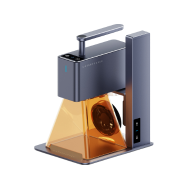
- Laser cutter with fiber or diode laser , depending on the material used.
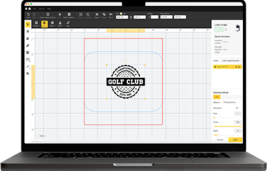
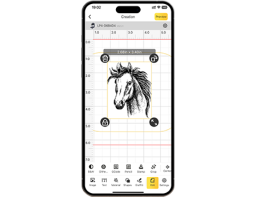
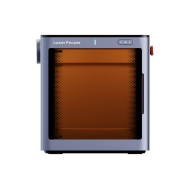
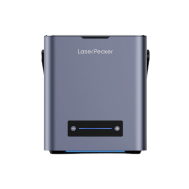
- Computers with design software such as LaserPecker Design Space , Illustrator, CorelDRAW, or LightBurn
- Acrylic sheets, wooden boards, pieces of leather, metal sheets or cardboard
- - Safety goggles, protective gloves and a suitable ventilation system
Design of your letters (vector files, fonts, layouts)
1. Create your design as a vector file, for example in SVG, DXF or AI format.
2. Choose fonts with sufficient stroke thickness, as very thin lines can break when cut.
3. Arrange your designs so that material waste is kept to a minimum.
Laser cutting process
Setting up the machine
The person in the YouTube video carefully lays the material flat on the cutting table and secures it with clamps or magnets, preventing it from moving during laser operation.
Adjusting power, speed, and focus
First, adjust the focus using the focus tool. Then, adjust the power and speed settings in the software. The optimal values depend on the specific material, so some experimentation may be necessary.
It is recommended to perform a test cut on scrap material beforehand. This allows you to fine-tune the settings to achieve clean results before working on the actual project.
Cutting and engraving
- Start the cutting process once all settings have been correctly configured.
- The laser follows the created design and precisely cuts out the individual letters.
- If engraved details are planned within the letters, these should be done before cutting the outer contours.
Final tasks (polishing the acrylic edges, varnishing the wood, etc.)
- Acrylic: Clean the shiny edges and polish them with a flame if necessary.
- Wood: Lightly sand away any burn marks and then paint or varnish the wood.
- Metal: Brush or polish the edges.
- Cardboard: - Cardboard: Usually no finishing is required, but you can paint the cardboard to make it more durable.
To care for leather after engraving, wipe away all material residue. Then use a leather conditioner or wax to keep the leather soft and prevent it from drying out.
Part 4: Creative applications of laser-cut letters
Home decor: Use large, laser-cut letters to display names or inspirational words. Combining different materials, such as acrylic over wood, creates a modern, high-quality look. The letters are also easy to mount on the wall.
Event signs: Custom-designed signs are ideal for weddings, parties, or trade fairs. These include welcome signs, table numbers, and wayfinding signs that are perfectly tailored to your event theme.
Retail displays: Signs for shops or product names look particularly elegant when laser-cut from acrylic or metal. Compared to printed signs, they create a significantly more professional impression.
Office branding: Use reception signs or engraved name badges to create a professional environment. Laser-cut lettering can be painted to match your brand colors.
Art: Artists frequently integrate laser-cut letters into art or mixed-media projects. Repetitions or overlapping layers create exciting visual effects.
Teaching materials: Alphabet sets or nameplates for classroom doors are practical learning aids. Letters made of cardboard or thin plywood are inexpensive and ideal for classroom use.
Gifts: Personalized letter magnets or engraved plaques make excellent individual gifts. Laser technology ensures clean edges and fine details.
Packaging: Laser-cut letters or logos give packaging a special look. Wooden lettering can give gift boxes a personal and high-quality touch.
Outdoor signage: Letters cut from weatherproof materials are ideal for shop signs, company names or house numbers in outdoor areas.
Prototypes: Designers can quickly test different font styles by cutting letters from inexpensive materials before implementing the final design.
FAQs: Hot Questions about Laser Cutting Letters
I'm a beginner. Which material should I choose first?
Try acrylic or MDF. Both produce clean cuts and are well-suited for beginners. Acrylic instantly creates smooth, polished edges and is excellent for signs.
MDF or birch plywood are inexpensive, easy to sand and paint, and will help you understand how wood reacts to heat. Avoid PVC initially, as it produces harmful fumes, until you are familiar with ventilation and the correct machine settings.
What basic settings (performance, speed, focus) do I need to know?
The power determines how much energy the laser transfers to the material. The speed determines how long the laser remains in one position.
Higher power and lower speed result in deeper cuts, while lower power and higher speed are better suited for engraving. The focus affects the sharpness of the laser beam – a correctly set focus ensures clean edges. Always test the settings on a scrap piece of material first and adjust them gradually.
How can I create letters that stand up on their own and don't fall over?
Widen the base of the letters or create a separate base into which they can be inserted. For heavy materials, it is advisable to use additional supports or attach the letters to a base plate to better distribute the weight. Lightweight materials such as cardboard can simply be glued to a thicker backing board.
Is there a way to cut large letters without a high-powered laser?
Yes, you can divide large letters into several smaller parts and assemble them later. Divide the design sensibly and then join the parts by gluing or screwing. This method not only makes cutting easier with less powerful lasers, but also simplifies the transport and shipping of large signs.
Do I need special software skills to prepare my files?
Basic knowledge of vector graphics programs is very helpful. Software like LaserPecker Design Space (with a material library and simple design tools), Adobe Illustrator, Inkscape (free), or LightBurn allows you to convert text to paths, clean up lines, and correctly define cutting areas. Many problems arise from open paths or duplicate lines—so check your files carefully before you start cutting.
Conclusion
Laser-cut lettering is a fantastic way to bring your designs to life. You can choose materials like acrylic, wood, or metal to achieve clean edges and a uniform appearance.
Laser-cut letters are not only aesthetically pleasing but also versatile. They can be used for home accessories, personalized gifts, commercial signage, and brand advertising. With proper preparation and finishing, laser-engraved letters can look beautiful and last a long time. Therefore, they are an excellent choice for projects of any size.