















































Plywood is a versatile and widely used material in woodworking, furniture making, and DIY projects. Cutting plywood cleanly can be challenging, as it is prone to splintering and chipping if handled improperly.
In this guide, we will introduce you to two effective methods for cutting plywood —using saws and laser cutters—so that you can choose the method best suited to your project, whether it's a simple DIY task or a detailed design.

This article contains:
- Method 1: Cut with a plywood saw
- Method 2: Cutting plywood with a laser
- FAQs: Frequently asked questions about cutting plywood
Method 1: Cut with a plywood saw
Saws are the most common and practical tools for cutting plywood. Depending on the project, you can choose between a circular saw, a table saw, a jigsaw, or a handsaw. Each type serves a different purpose—from long, straight cuts to curves and small adjustments. Using the correct blade and a consistent technique prevents splintering and ensures smooth edges.
Required tools:
- circular saw, table saw, jigsaw or hand saw
- Use a fine-tooth or plywood saw blade to reduce splintering.
- Clamps for fixing the plywood panel
- Guide rail or straightedge for precise cuts
Here's how to proceed
1. Place the plywood sheet on a stable surface and secure it with staples.
2. Measure the cutting line and mark it with a pencil.
3. Choose the right saw:
Circular saw – for long, straight cuts.
Table saw – ideal for precise, repeatable cuts.
Jigsaw – for curves or irregular shapes.
Hand saw – practical for quick, small cuts without power tools.
4. Align the saw blade with your cutting line.
5. Saw slowly and evenly, letting the saw do the work.
6. Sand the cut edges if necessary to achieve a smoother surface.
Advantages and disadvantages of sawing plywood
Advantages
- Versatile and widespread
- Suitable for plywood of most thicknesses
- Different saws are suitable for different cuts.
Disadvantages
- Produces dust; protective equipment is essential.
- Risk of splinters if the blade is dull or unsuitable.
Method 2: Cutting plywood with a laser
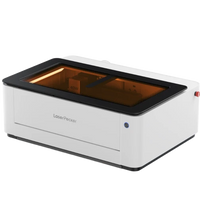
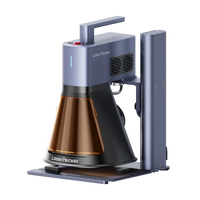
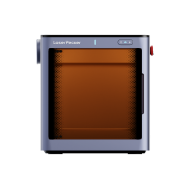
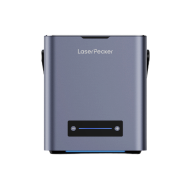
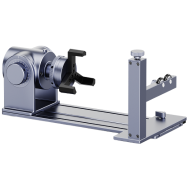
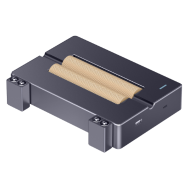
Laser cutting plywood is a precise method for cutting thin sheets of plywood and creating intricate designs or detailed patterns. It is ideal for hobbyists, model makers, and professional projects that require clean, repeatable cuts. However, thicker plywood may not be suitable for laser cutting, and adequate ventilation is essential, as burning plywood produces smoke and fumes.
Required tools
- Laser cutter for plywood (with sufficient power)
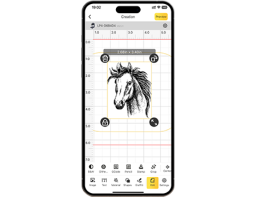
- Computers or mobile devices with design software (for creating patterns)
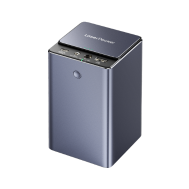
- Ventilation or extraction system (because cutting plywood produces smoke and odors)
- Safety goggles , if recommended in your machine's safety instructions.
Here's how to proceed
1. Prepare your design in the software and upload it to the laser cutter.
2. Place the plywood sheet flat on the machine bed and secure it.
3. Adjust the laser settings (power, speed and focus) according to the thickness of the plywood.
4. Perform a small test cut to check the result and avoid burns.
5. Start the cutting process and monitor it carefully.
6. Remove the cut plywood and clean it of any residue or charred edges, if necessary.
Best suited for
- Cut thin plywood sheets (usually ≤6 mm)
- Creating complex shapes, patterns, or individual designs
- Projects that require clean, repeatable cuts
Advantages and disadvantages of laser cutting plywood
Advantages
- Extremely precise and clean cuts
- Minimal effort required
- Repeatable results for multiple parts
Disadvantages
- Limited to thinner plywood sheets
- Incorrect settings can easily lead to burnt edges.
FAQs: Frequently asked questions about cutting plywood
1. Which tool is best suited for cutting plywood?
The best tool depends on the type of cut and the thickness of the plywood. For most projects, saws are the most practical, for example, a circular saw, table saw, or jigsaw. For intricate shapes or very thin sheets, a laser cutter for plywood can also be used.
2. How can you cut plywood without a machine?
Plywood can also be cut by hand. A handsaw is suitable for thicker sheets, while a utility knife is best for very thin plywood. It's important to securely fix the sheet to a stable surface, mark the cutting line precisely, and cut slowly along a straight edge to achieve clean results.
3. Can I cut plywood by hand?
Yes, that's possible. A handsaw can be used for straight or rough cuts, while thin plywood can be scored with a utility knife and then snapped. Manual cutting is particularly suitable for smaller projects or quick adjustments when power tools aren't available.
Conclusion
There are various methods for cutting plywood, depending on the thickness of the material and the complexity of the project. Saws are excellent for straight cuts, curves, and general woodworking, while laser cutting of plywood is particularly advantageous for thin sheets and intricate designs. Choosing the right method ensures clean, precise cuts and smooth edges, making your plywood projects easier to complete and giving them a much more professional finish.