













































LaserPecker Beginner Purchase Guide
Buying advice for laser beginners
Are you starting your journey with LaserPecker laser engravers but are confused about the different laser types and struggling to find the laser devices that best suit your needs? This article explains the key points to consider when purchasing a laser and gives you a brief introduction to our LaserPecker devices.
3 types of lasers: What's the difference?
Blue laser
Blue lasers have wavelengths in the blue range of the visible spectrum, between 400 nm and 500 nm, and are visible to the human eye as violet or blue. Blue lasers are very popular with beginners due to their compact size, efficiency, and versatility in various applications.
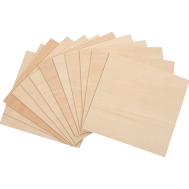
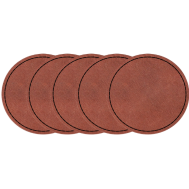
At LaserPecker, we use blue lasers with semiconductors as the active medium—450nm (blue, used in the LP2, LP4, LP5, and LX1) and 405nm (blue-violet, used in the LP1 Pro). These lasers offer an excellent balance of affordability, ease of use, and versatility for engraving and cutting thin materials like wood, paper, and leather, but are less effective on metals, white surfaces, and transparent acrylic.
If your projects mainly involve materials such as thin wood, paper, fabric, leather, etc., a blue diode laser would be a good choice.
Infrared laser
Infrared lasers (IR lasers) have wavelengths in the infrared spectrum and are invisible to the human eye. The typical wavelength for infrared lasers is 1064 nm (used in LP3, LP4, and LX1). Infrared lasers can process a wide variety of metals, plastics, and inorganic materials with comparatively high accuracy and precision, including metal, plastic, stainless steel, copper, gold, silver, titanium, acrylic, silicone, ABS, PVC, etc.
So, if you want to engrave complex designs with fine details and clean markings on metals or plastics, an infrared laser would be a good choice.
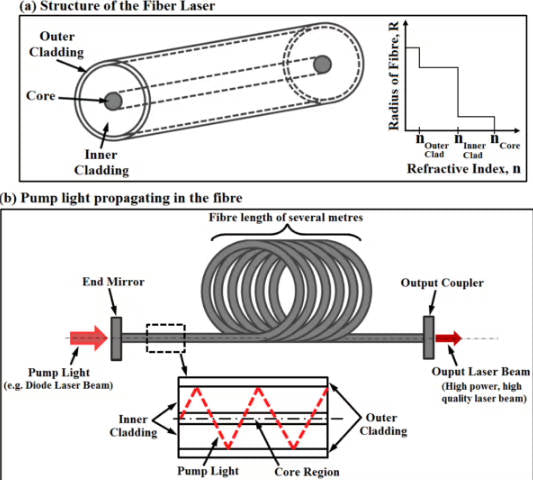
Fiber laser
The fiber laser is a type of solid-state laser that operates in the infrared (IR) range and is therefore invisible to the human eye.
Fiber lasers have high absorption by most metals and can therefore process sheet metal up to a few centimeters thick quickly and with high power. This makes them ideal for marking, deep engraving, and even high-speed metal cutting .
Due to the considerable cost (typically several thousand dollars), we recommend fiber lasers for professionals and companies with heavy-duty metalworking needs. The only LaserPecker machine currently using a fiber laser is the LP5.
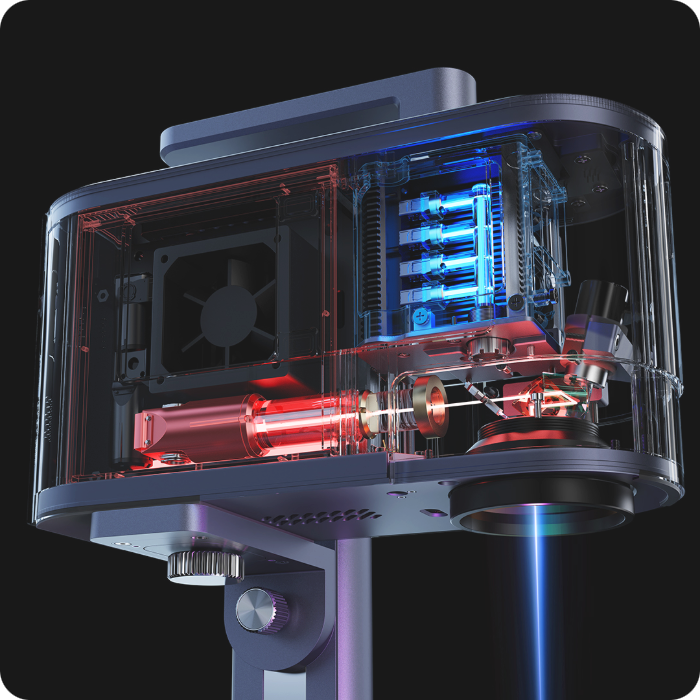
Dual Laser - A 2-in-1 combination
The so-called “dual laser” system combines two types of lasers, usually a blue laser and an IR laser, and makes it possible to process a wider range of materials with a single machine.
LaserPecker LP4 and LP5 are both dual lasers with laser sources of different power.
LP4 has a 10W blue laser and a 2W infrared laser.
LP5 has a 20W blue laser and a 20W fiber laser.
2 Laser systems: What are their advantages?
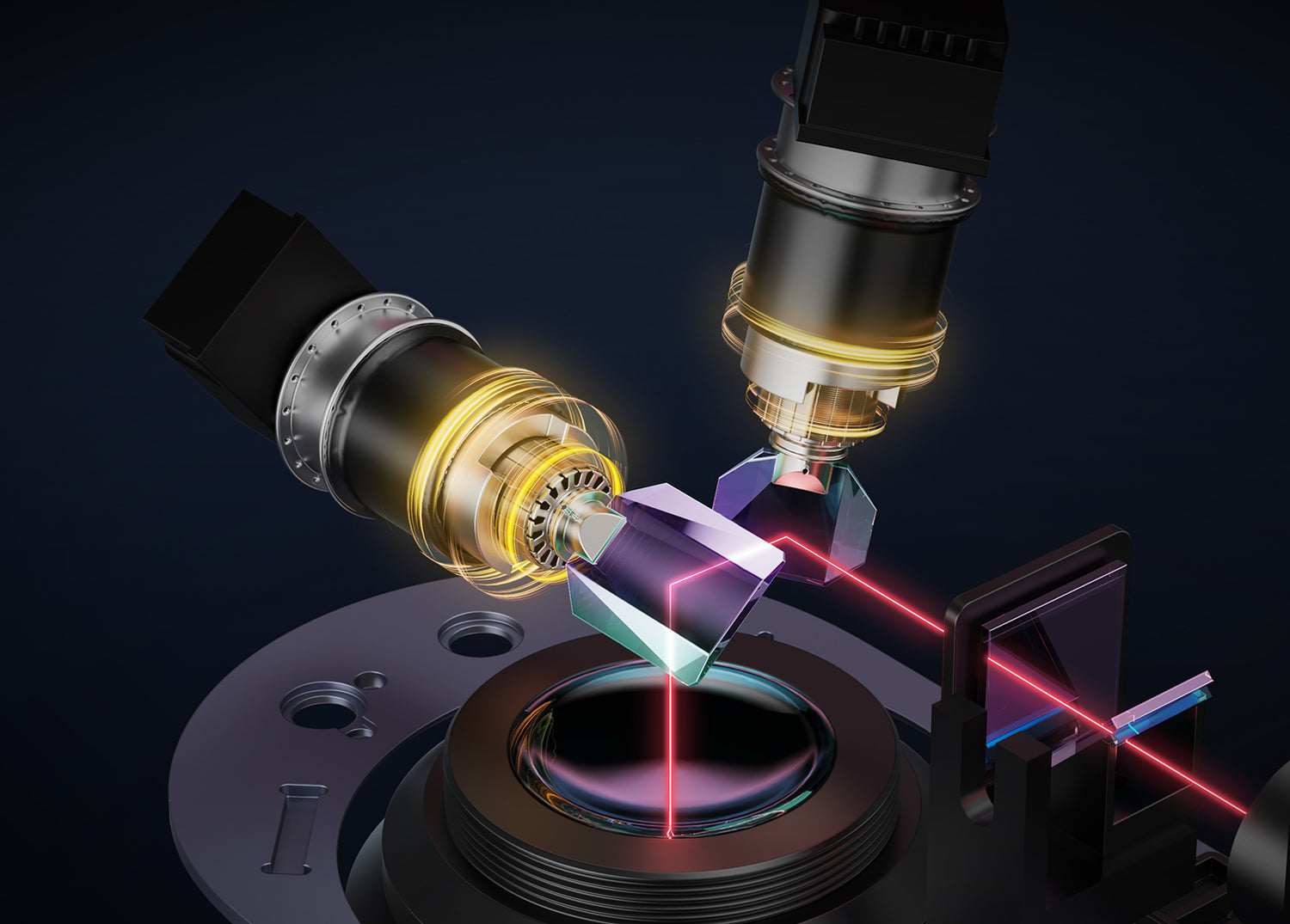
Galvo laser
Galvo laser, short for galvanometer laser, is a type of laser system that uses two precision mirrors to direct the laser beam with exceptional accuracy and speed.
Unlike conventional XY lasers, where the laser head is moved mechanically across the material, galvo lasers use galvanometers (high-speed motors) to precisely adjust the angle of two small, highly reflective mirrors and direct the laser beam in the X and Y directions. This contributes to faster and more precise engraving than conventional XY lasers and a significantly more compact design.
Advantages : Small size, high speed, high precision
Disadvantages : Limited performance
Models : LaserPecker LP Series, LP1 Pro, LP2, LP3, LP4, LP5
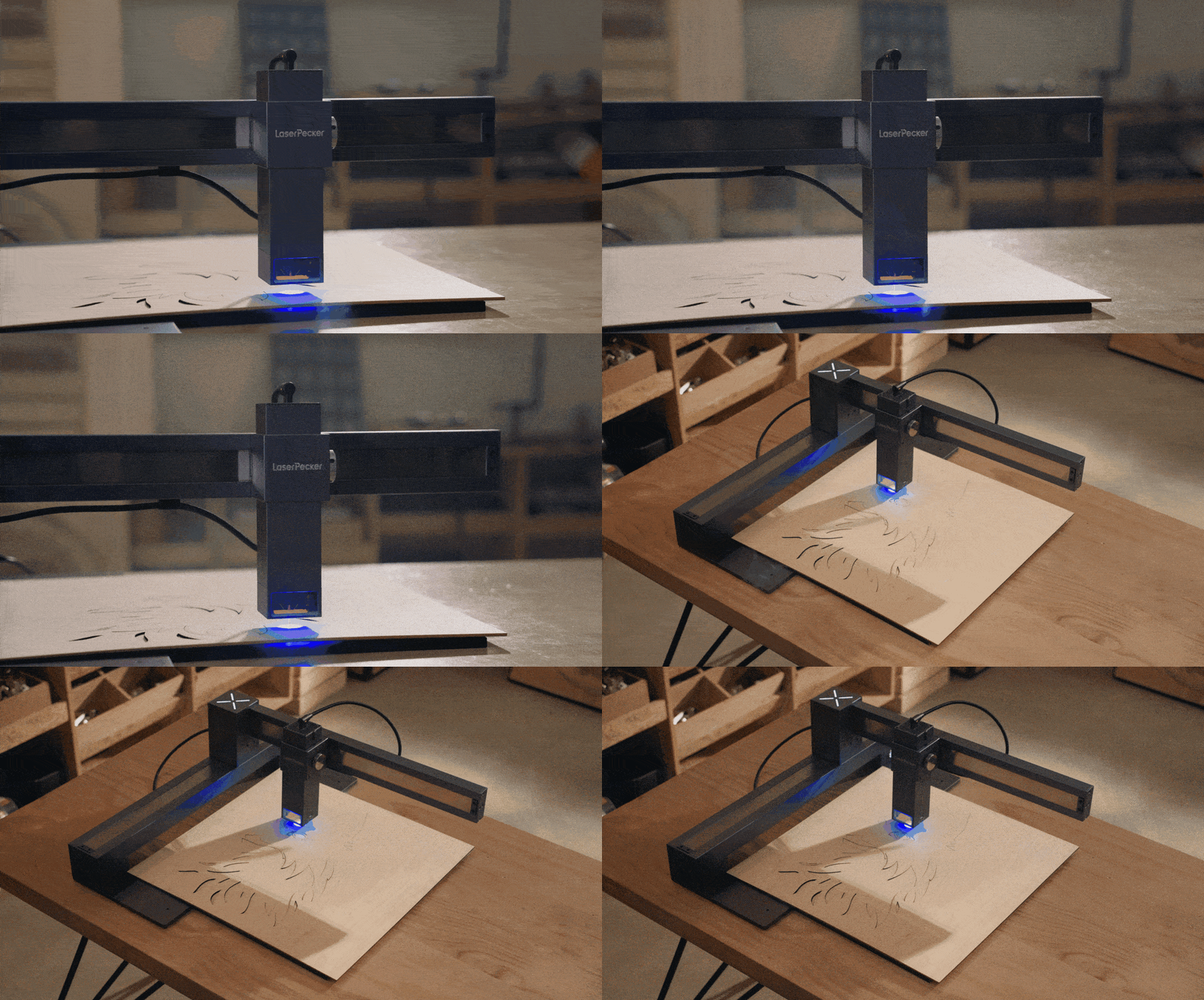
Gantry laser
The gantry laser is a laser system that uses a mechanical XY gantry frame. The laser head is mounted on a gantry (movable arm) and is mechanically moved along the X and Y axes across the material, allowing for the processing of larger profiles and thicker materials. However, the speed is relatively slow due to the mechanical movement of the laser head.
Compared to galvo lasers, which typically have one or two laser sources per machine, gantry lasers are typically equipped with different laser modules, making them more versatile and adaptable for different materials.
Advantages : Large working area; High performance; Interchangeable modules
Disadvantages : Large space requirement; Low speed
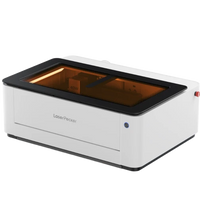
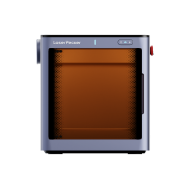
Models : LaserPecker LX-Series, LX1, LX1 Max
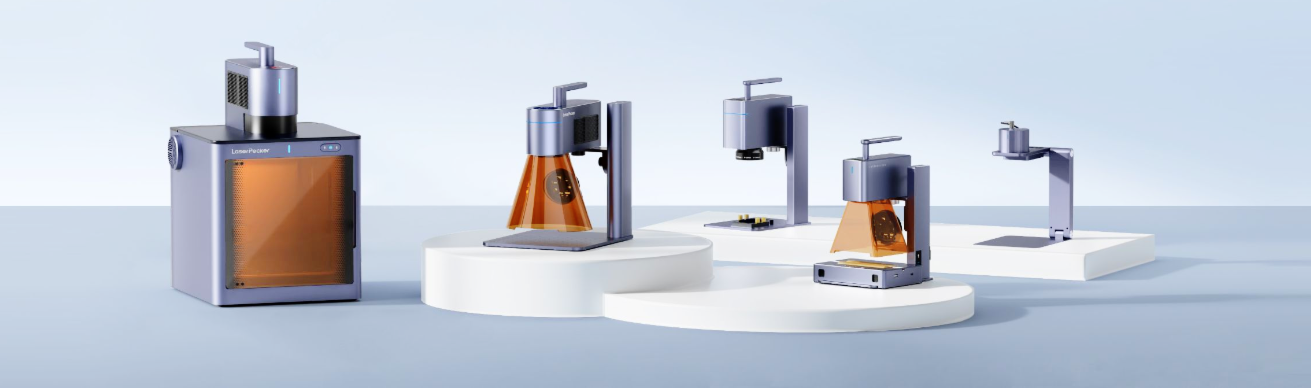
Introduction to LaserPecker machines
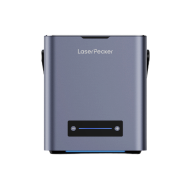
1

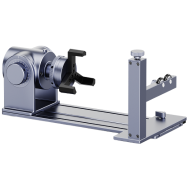
2

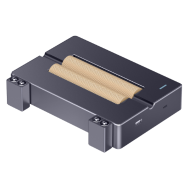
3
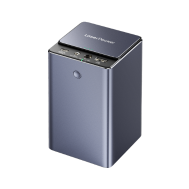
4


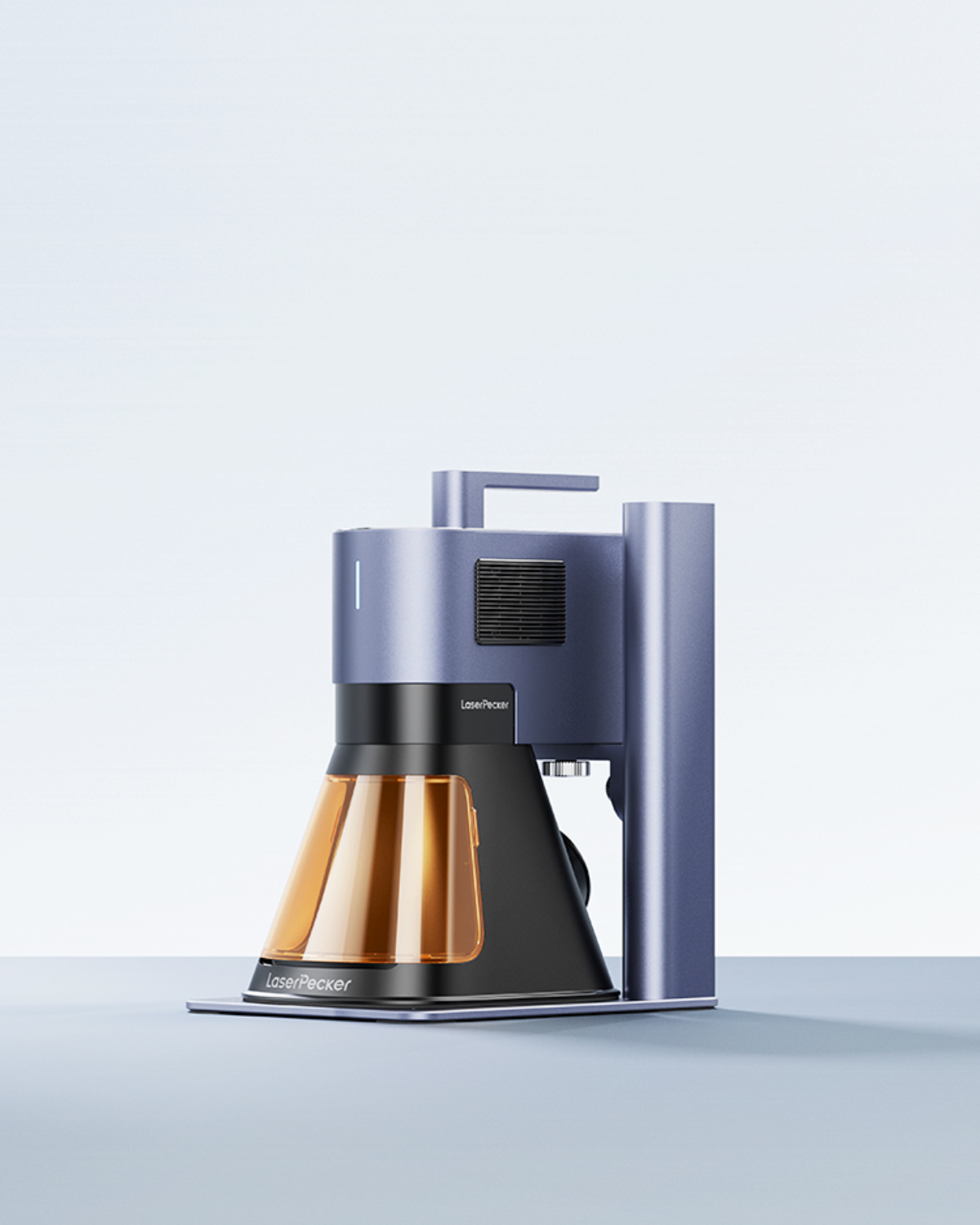
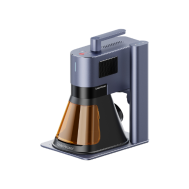
LaserPecker LP5: Smart 20W fiber & 20W diode laser
Features : Dual laser; Industrial-grade speed; Precision; Safety
Recommended for : Companies; Craftsmen
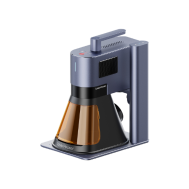
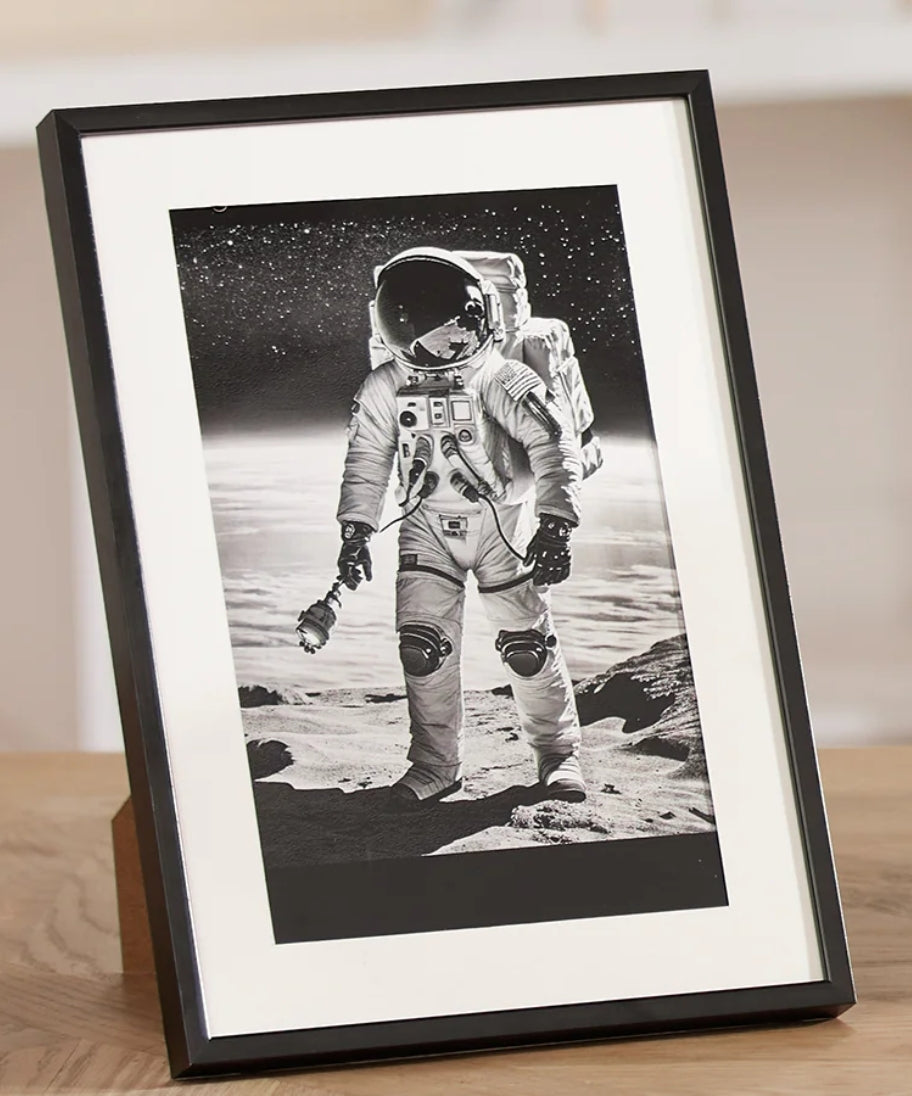
The LP5, the latest model in the LP series, offers a complete upgrade in every respect. With an increased speed of 10,000 mm/s and double the power of a 20W fiber and 20W blue diode laser, the LP5 can engrave almost all materials with unparalleled efficiency. It is ideal for deep engraving, 3D embossing, and cutting thin sheet metal down to 1 mm.
Its advanced features and high performance make it a versatile and powerful tool for any engraving project.
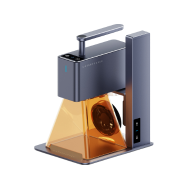
LaserPecker LP4: 10W diode & 2W infrared laser
Features : Dual laser; Professional; Fast speed; Small size
Recommended for : Small businesses; craftsmen; hobbyists
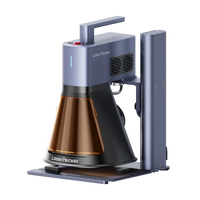
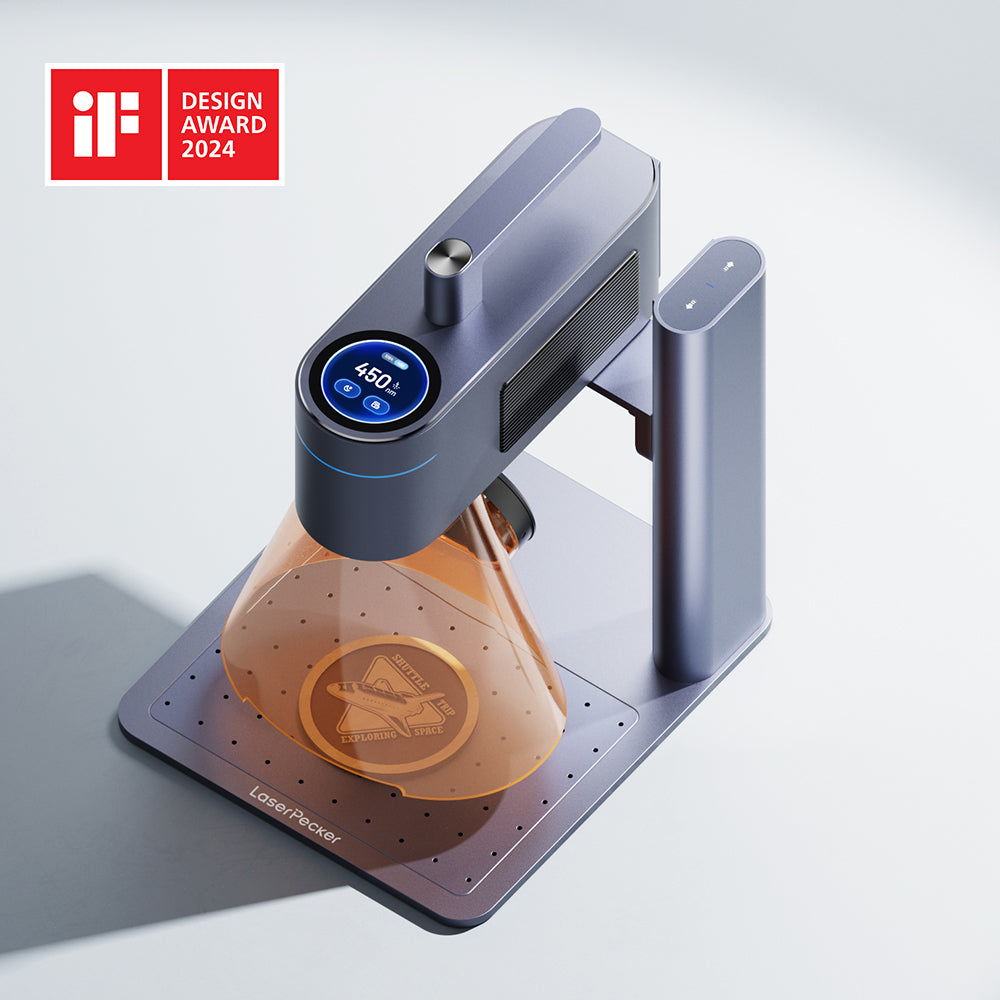
As the world's first dual-laser engraver, the LP4 combines a 10W blue diode laser (450 nm) and a 2W infrared laser (1064 nm) in a compact housing, making it powerful yet portable. It can engrave almost any material, from wood and acrylic to leather and metal, and cut thin wood and acrylic.
If you run a small business or need to work with a variety of materials, the LP4 is an excellent choice for your projects in the shop or at home.

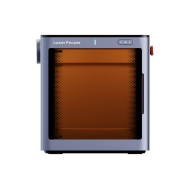
LaserPecker LP3: IR laser for metals & plastics
Features : Metal engraving; Plastic & acrylic engraving; Jewelry customization
Recommended for : Jewelry designers and sellers
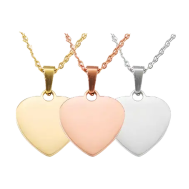
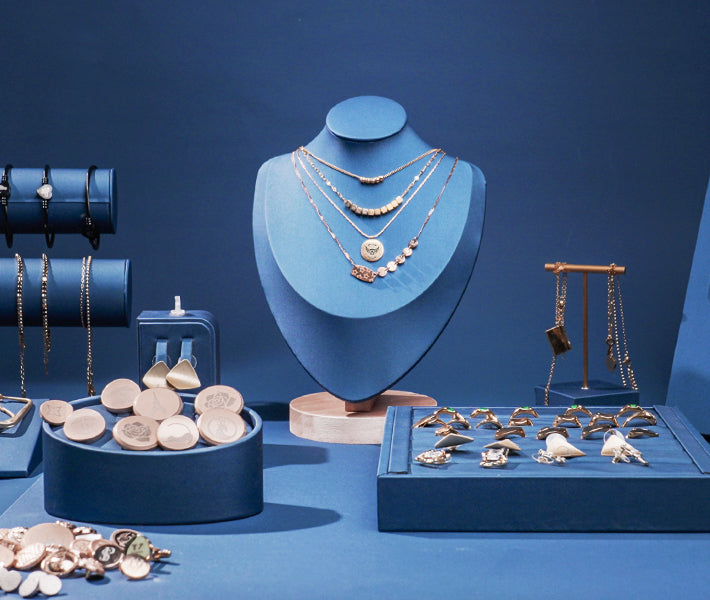
The LP3 operates with a 1W 1064nm infrared laser and can engrave non-organic materials, including almost all types of metals and plastics. Its precision and performance make it perfect for creating intricate designs and detailed customizations for jewelry, watches, and more.
If you are a jewelry designer or watch seller with customization needs, the LP3 is for you.

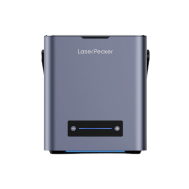
LaserPecker LP2: Portable blue laser
Features : Portable & handy; Cheap price & affordable
Recommended for : Beginners & Hobbyists
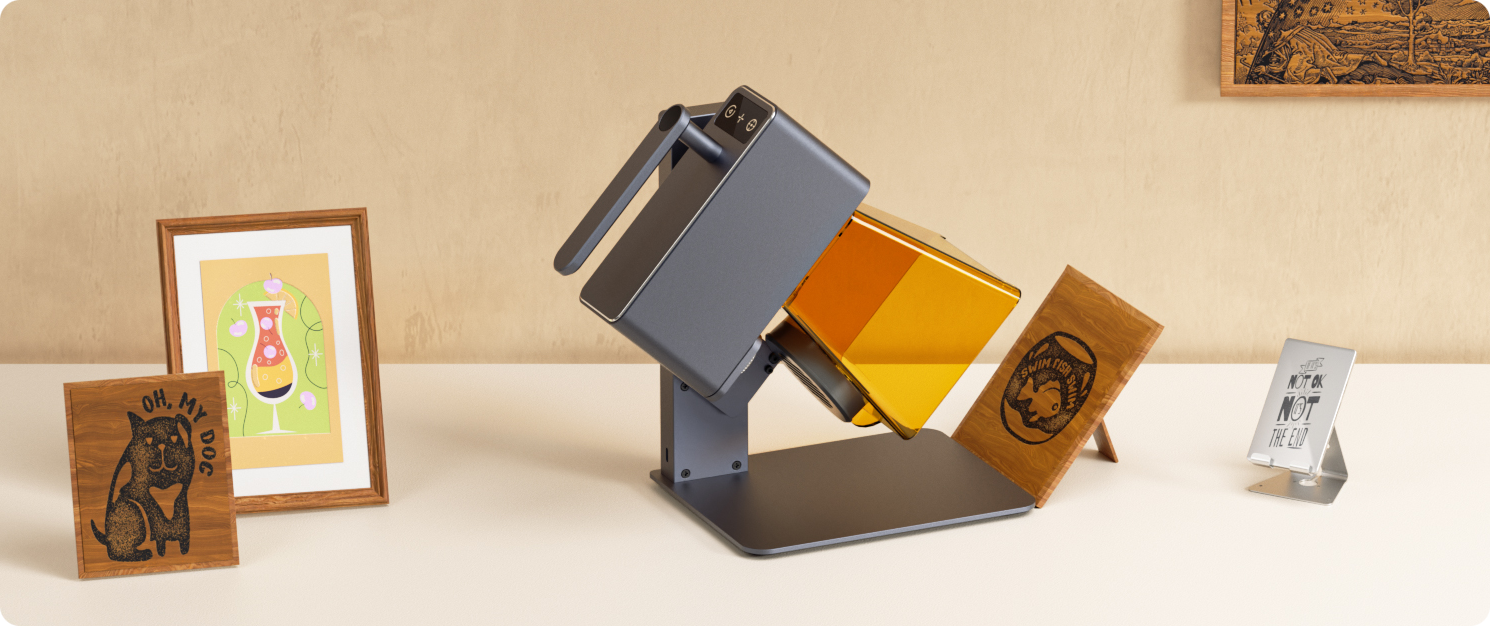
The LP2 works with a 5W 450nm blue laser and can engrave materials such as wood, paper and leather.
If you are a hobbyist with limited budget or space, or a newbie looking for a device with the best value for money, this is the device for you.
Would you like to learn more about LaserPecker machines?
Compare the detailed specifications and capabilities of each LaserPecker model. Or tell us your needs by simply completing a quiz and let us recommend the right device for you!