





















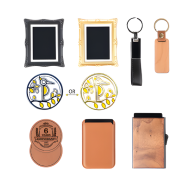




















Engraving can be used to personalize wallets, belts, bags, patches, notebooks, and many other leather items. Leather can be processed traditionally by hand or with a laser. Depending on the tool, the level of detail, consistency, speed, and learning curve vary. Which method is best for you depends on what you want to design, how many pieces you are making, and how precise the result should be.
In this guide, we present 6 common engraving tools and machines for leather. We explain their respective strengths and weaknesses so you can choose the right tool for your needs.

In this article:
- Part 1: 6 essential leather engraving tools
- Tool 1: Laser Engraving Machines
- Tool 2: Cricut
- Tool 3: Swivel Knife
- Tool 4: Leather Stamping Tools
- Tool 5: Mallet or Rawhide Hammer
- Tool 6: Leather Carving Knives
- Part 2: Which leather engraving tool is right for you?
- FAQ: Frequently Asked Questions about Leather Engraving Tools
Part 1: 6 essential leather engraving tools
There are numerous options for leather engraving – from modern machines to traditional hand tools. Each variant offers a different degree of precision, efficiency, and creative control.
In this section, we present six essential leather engraving tools and machines. You'll learn what they are best suited for and who they are designed for, so you can quickly find the right tool for your engraving project.
Tool 1: Laser Engraving Machines
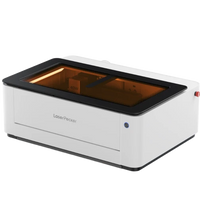
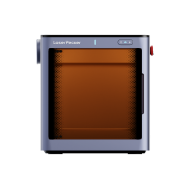
Laser engraving machines precisely mark the leather surface with a highly focused light beam. This creates fine details, even shading, and a consistent engraving depth that is difficult to achieve with hand tools.
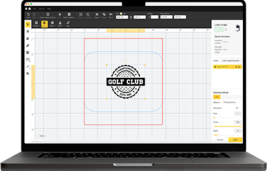
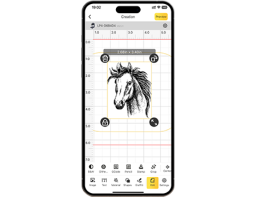
A leather laser engraver is ideal for logos, text, illustrations, and recurring patterns. Since the motif is digitally controlled, each engraving is identical. This makes this technique particularly interesting for custom orders, small businesses, and series production.
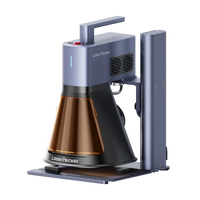
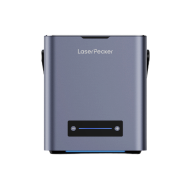
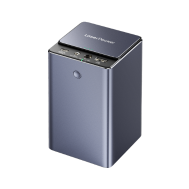
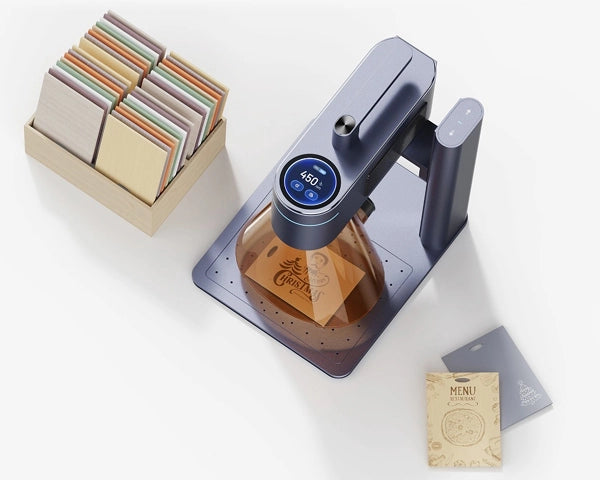
With the right settings, a laser engraves leather cleanly, without cutting or damaging it. Modern devices like the LaserPecker LP4 Dual Laser Engraver are designed for processing materials such as leather and offer high resolution, precise control, and high engraving speeds.
Tool 2: Cricut
Cricut machines can process thin, soft leather, primarily through cutting, embossing, or light surface marking rather than true engraving. Tools like the Debossing Tip or Engraving Tip can be used to press designs into the leather, creating subtle embossed effects.
This method is suitable for simple patterns, text, and outlines. However, unlike a laser engraver, it does not remove material and creates little depth. The result depends heavily on the type of leather; vegetable-tanned leather generally yields the best results.
Overall, leather processing with Cricut is a good choice for hobbyists and light decorative projects. However, it is less suitable for detailed, durable, or larger series production.
Tool 3: Swivel Knife
The swivel knife is a fundamental tool for traditional leather carving. It is used to make controlled cuts in dampened leather.
It offers a lot of artistic freedom but requires practice. The result depends on the pressure applied and the skill of the craftsman. Therefore, it is less suitable for applications where every piece must look identical.
Tool 4: Leather Stamping Tools
Stamping tools press patterns into the leather using impact force. They are suitable for borders, textures, and decorative elements.
Stamping creates a classic, handmade look. However, the design possibilities are limited to the available stamp motifs. For complex, individual designs, custom stamps must be made.
Tool 5: Mallet or Rawhide Hammer
A mallet or rawhide hammer is needed to drive stamps and punches into the leather. It is indispensable for manual leather processing but does not create a motif on its own.
The result depends on how forcefully and evenly the tool is struck. This can lead to differences between individual pieces.
Tool 6: Leather Carving Knives
A leather carving knife can be used to cut and shape leather. It is well suited for large, simple motifs, but lacks the necessary precision for small texts.
| Tool | Precision | Consistency | Speed | Experience Required | Best Suited For |
|---|---|---|---|---|---|
| Laser Engraving Machines | Very High | Excellent | Fast | Low to Medium | Detailed motifs, logos, series production, and custom orders |
| Cricut | Medium | Good | Medium | Low | Cutting thin leather, embossing, and simple decorative projects |
| Swivel Knife | High | Low | Slow | High | Traditional leather carving and freehand artistic motifs |
| Leather Stamping Tools | Medium | Medium | Medium | Medium | Recurring patterns, borders, and textured effects |
| Mallet or Rawhide Hammer | — | — | — | Low | Driving stamping tools and carving tools |
| Leather Carving Knives | High | Low | Slow | High | Deep cuts and handmade leather art |
Part 2: Which leather engraving tool is right for you?
For modern makers and small businesses, laser engraving is often the most practical and efficient method for leather processing. The example of the LaserPecker LP4 Laser Engraver clearly shows why a leather engraving machine is superior to traditional hand tools or mechanical engravers in many practical applications.
Exceptional Precision
Lasers produce clean, extremely detailed results with a resolution of up to 8K. They are therefore ideal for intricate illustrations, logos, and small lettering that are difficult to achieve consistently by hand.
Consistent, Reproducible Results
Each engraving follows the same digital template. This is particularly important for branded items, series production, and professional quality products. LaserPecker also offers a "Re-engrave" function on its touchscreen, which significantly streamlines workflows.
High Efficiency and Speed
Compared to manual carving or stamping, laser engraving is significantly faster at up to 4,000 mm/s – especially for multiple pieces or custom orders.
Short Learning Curve
You don't need years of experience in leather carving. Once you master the design software and basic device settings, you can quickly produce high-quality engravings.
If you sell leather goods, run a small business, or offer personalized products, a leather laser engraver like the LP4 can significantly improve your workflow and ensure a clean, professional result with every order.
Part 3: Frequently Asked Questions about Leather Engraving Tools
1. How deep should leather be engraved?
For a beautiful and durable result, deep engraving is not necessary. A shallow engraving is usually the best choice: it creates good contrast and clear details without damaging the leather.
Engraving too deeply can make the leather stiff and more prone to tearing. With a machine, the engraving depth can be easily controlled to achieve the desired look without unnecessarily stressing the material.
2. Can errors in leather engraving be corrected?
Small errors can often be disguised with color, shading, or additional embellishments. Larger errors are more difficult to fix, as removed leather cannot be restored. Therefore, always test the motif and settings on a scrap piece of leather first. A laser or other engraving machine makes this easier because the parameters can be digitally adjusted before processing the final workpiece.
3. How long does it take to engrave leather?
The duration depends on the method used and the complexity of the motif. Hand engraving can take several hours, especially for detailed patterns. Machines like the LP4 work much faster and can complete complex motifs within minutes. This is ideal for small series or multiple individual orders.
4. Do I need a specific type of leather for laser engraving?
Vegetable-tanned leather is generally the best choice for consistent, high-quality results. Other types of leather can also be tried, but should be tested first – especially chrome-tanned leather and artificial leather. Avoid unknown coatings or surface treatments, as these can burn, melt, or discolour during engraving.
5. Engraving or embossing leather: Which method is right?
Engraving removes material to create precise logos, text, or intricate motifs – ideal for detailed, modern designs. Embossing presses a motif into the leather, creating a raised or recessed effect with a classic, handcrafted look. Choose engraving for high precision and complex motifs, and embossing for a traditional, tactile effect.
Conclusion
Choosing the right leather engraving tool is crucial for a professional result. Whether you're a hobbyist or running a small business, understanding the strengths of each tool – from laser engravers to swivel knives and stamping tools – will help you find the right solution for your projects.
For precision, speed, and consistent results, modern laser engraving machines like the LP4 excel, especially for detailed motifs and custom orders. Traditional tools, on the other hand, offer a direct handcrafted experience and are excellent for artistic, handmade leatherwork.
Regardless of the method chosen, always test the motif and settings beforehand, control the engraving depth, and properly care for the leather afterward. With the right tools and techniques, beautiful, durable leather products that are both functional and artistic can be created.