













































Rust is a widespread problem. It makes metal objects like tools, bicycles, appliances, and crafts look old and unusable. But don't worry: in most cases, rust can be removed, and even heavily rusted metal can be restored. The key is to use the right cleaning method.
In this guide, you will learn how to remove rust from metal – from simple home remedies to powerful industrial processes. No matter how severe the rust, you will find a suitable method here.

In this article:
- Part 1: What is rust and how does it form?
- Part 2: Removing rust from metal at home
- Method 1: Remove rust with a potato
- Method 2: Remove rust with citric acid
- Method 3: Remove rust with lemon and salt
- Method 4: Remove rust with baking soda
- Method 5: Remove rust with Coca-Cola
- Method 6: Remove rust with rust converters
- Method 7: Remove rust with a fiber laser
- Part 3: How to prevent rust?
- Part 4: Frequently asked questions about rust removal
Part 1: What is rust and how does it form?
Rust forms when iron comes into contact with oxygen and water. This creates iron oxide – the reddish-brown layer that gradually attacks the metal. If left untreated, rust can weaken components, lead to breakage, and cause high repair costs.
What are the most common causes of rust?
- Rain or damp conditions.
- Salty air near the sea.
- Missing paint or protective coating.
- Too long outdoor storage.
- Improper storage.
Since rust can continue to spread, it should be treated as early as possible.
Part 2: Removing rust from metal at home
Below, we present seven methods for removing rust from metal – from simple home remedies to modern processes.
Method 1: Remove rust with a potato
It may sound unusual, but this simple trick actually works. Potatoes contain oxalic acid, which reacts with rust. In combination with salt, this creates an effective natural rust remover.
How to proceed:
Cut potato in half → sprinkle salt on the cut surface → rub over the rusty area → let sit for 15–30 minutes → carefully brush off and rinse thoroughly.
This simple method is particularly suitable for small rust spots on kitchen utensils, metal accessories, or household items. It is uncomplicated, safe, and ideal for quick touch-ups.
Method 2: Remove rust with citric acid
If you need something a bit stronger, citric acid is an excellent choice. It reliably dissolves rust, but is relatively gentle compared to aggressive chemical rust removers. You only need citric acid powder – available online or in the baking aisle – and hot water.
Simply mix → soak → rinse.
Here's how it works:
- Mix citric acid powder in a bowl with hot water.
- Place the rusted item into the solution.
- Let it soak overnight so the acid can dissolve the rust.
- The next morning, brush it off, rinse thoroughly, and dry.
This method is particularly suitable for rusted screws, small tools, bolts, and metal fittings. The solution practically does the work overnight.
Method 3: Remove rust with lemon and salt
This simple, all-natural method smells pleasant and is surprisingly effective. Lemon juice contains natural acids. Together with coarse salt, it creates a gentle scouring agent that loosens rust from the surface.
How to use the method:
- Sprinkle a generous layer of salt on the rusty area.
- Squeeze lemon juice over it until the salt is completely saturated.
- Let the mixture sit for 2–3 hours to allow it to dissolve the rust.
- Scrub clean, rinse, and dry.
This method is ideal for garden tools, kitchen utensils, metal decorations, and lightly rusted surfaces. Simple, natural, and effective.
Method 4: Remove rust with baking soda
Baking soda is a gentle but effective rust remover, making it particularly suitable for items prone to scratching. It dissolves rust without being as harsh on the material as aggressive acids or abrasive grinding tools.
How to use baking soda:
- Mix baking soda with water to form a thick paste.
- Spread the paste on the rusty area.
- Let it sit for 1–2 hours to soften the rust.
- Brush off, rinse, and dry thoroughly.
This method works well for stainless steel, chrome-plated surfaces, and all metals that require gentle treatment.
Method 5: Remove rust with Coca-Cola
Yes, Coca-Cola can actually help remove rust. It contains phosphoric acid, which is also found in many commercial rust removers. The method works best for light to moderate rust stains.
How to use the method:
- Submerge the rusted item in Coke or pour Coke over the surface.
- Let it sit for several hours so the acid can dissolve the rust.
- Brush off, rinse, and dry.
This method is particularly suitable for bicycle parts, car parts, screws, and small hand tools.
Method 6: Remove rust with rust converters
For stubborn rust that home remedies can't tackle, commercial rust removers are a good choice. These products quickly remove rust using effective chemicals and with little effort.
There are usually three types:
- Rust converters: They convert rust into a stable, paintable surface.
- Scouring powders: They remove superficial rust using abrasive particles.
- Powerful liquid rust removers: They quickly dissolve thick, stubborn layers of rust.
These agents are particularly suitable for cars, machinery, tools, and equipment with heavy rust infestation.
Method 7: Remove rust with a fiber laser
Fiber lasers can remove rust efficiently and without chemicals. The high-energy laser beam vaporizes the rust layer, while the underlying metal remains largely intact. This process is precise, fast, and ideal for industrial applications or delicate equipment.
Fiber lasers are suitable for:
- Tools
- Car parts
- Metal art
- Restoring old objects
- Very thick or difficult-to-remove rust layers
This method is ideal for cars, machines, tools, and equipment with heavy rust infestation.
Recommended Equipment: LP5 with Slide Extension
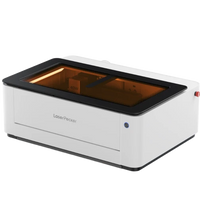
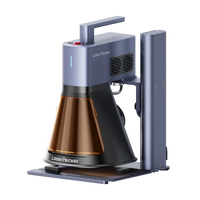
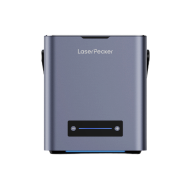
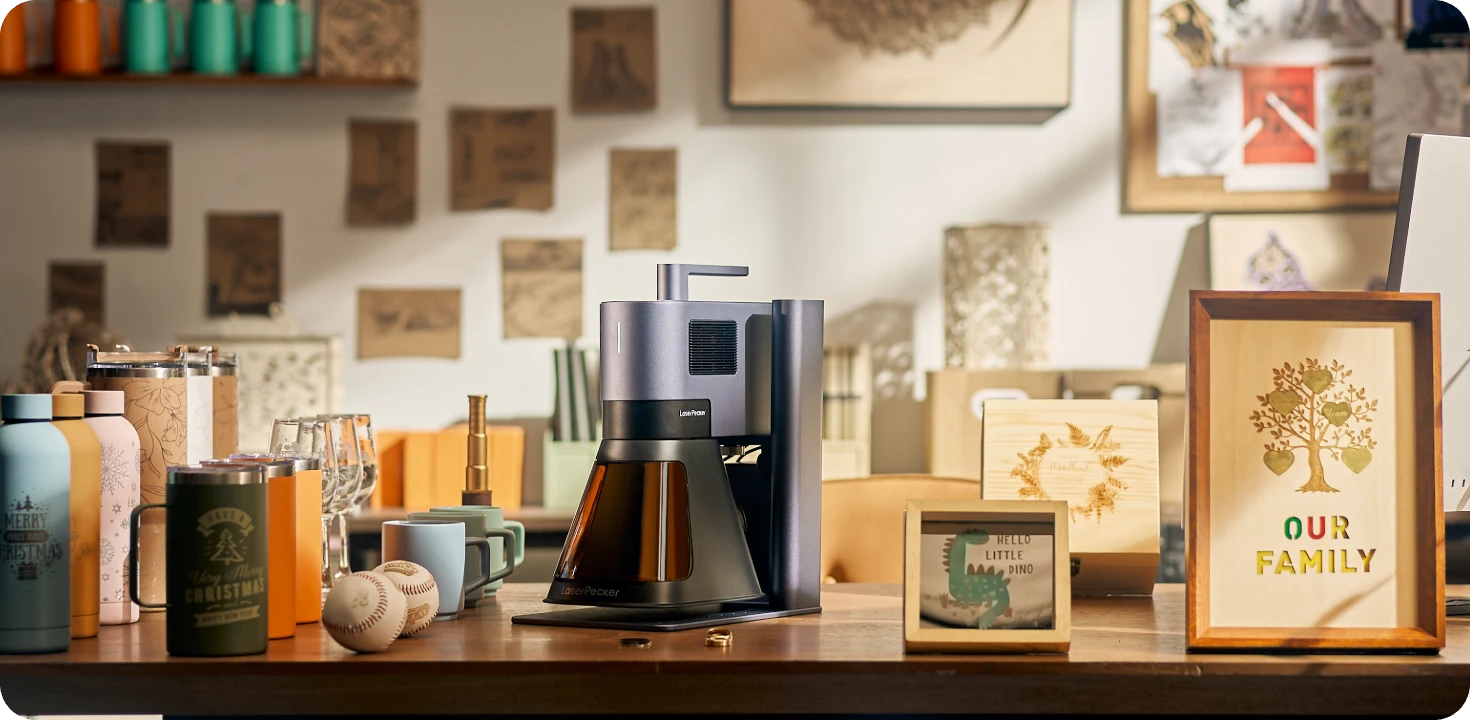
When it comes to rust removal, quick and thorough processing is key. The LaserPecker LP5 was designed precisely for this purpose and combines powerful features in a compact device. Its distinguishing characteristics include:
Powerful 20W laser for fast rust removal
The LP5 features a 20W fiber laser. This power is essential for reliably removing oxide layers. Rust can often be removed in a single pass, eliminating the need to repeatedly work on the same spot. This saves time and allows for thorough cleaning of the underlying metal.
Fast cleaning at up to 10,000 mm/s
Especially for larger surfaces, speed plays a crucial role. The LP5 achieves a working speed of up to 10,000 mm/s. This allows rust removal projects to be completed significantly faster and more workpieces to be processed per day. The fast scanning also supports a uniform cleaning process.
Mobile and easy to handle
Another advantage of the LP5 is its mobility. It is easy to transport and can even be operated via a mobile power station. This is particularly practical for outdoor work, on-site repairs, or hard-to-reach areas where larger machines cannot fit. This allows you to remove rust virtually anywhere.
Smart control via app and software
Precision is crucial. With the LP5's smart app and software, the area to be cleaned can be precisely defined. This prevents accidental processing of the metal next to the rusted spot. The result is a precise and clean treatment that targets only the affected areas.
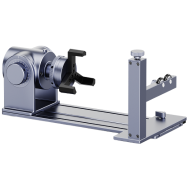
The LaserPecker Slide Extension supports the LP5 in:
- Cleaning larger areas
- Removing deep rust layers
- Achieving clean results
This combination is excellent for workshops, metal art, vehicle repairs, and maker projects.
Comparison table: Methods for rust removal on metal
| Method | Difficulty | Best suited for | Speed | Environmentally friendly |
|---|---|---|---|---|
| Potato + dish soap | Easy | Light rust | Slow | Yes |
| Citric acid | Easy | Small metal objects | Medium | Yes |
| Lemon + salt | Easy | Household items | Slow to medium | Yes |
| Baking soda | Easy | Delicate metals | Medium | Yes |
| Coca-Cola | Easy | Tools, bicycles | Medium | No |
| Chemical rust removers | Medium | Heavy rust | Fast | Variable |
| Fiber laser | Easy to medium | Tools, vehicles, machines | Very fast | Yes |
For light rust on small household items, simple remedies like lemon, baking soda, or citric acid are very effective. For heavier rust, chemical rust removers can help. For demanding jobs or larger projects, fiber lasers are particularly suitable: they work quickly, precisely, and deliver very good results.
If you want to remove deeply embedded rust without chemicals and achieve a thorough result, a fiber laser like the LaserPecker LP5 in combination with the Slide Extension is a particularly efficient solution – for hobbyists and professional businesses alike.
Part 3: How to prevent rust
It's best to prevent rust from forming in the first place. Here's how to protect your metal objects:
- Keep items clean and dry.
- Use oils, waxes, or rust-proofing sprays.
- Paint or seal surfaces.
- Avoid storing metal outdoors permanently if possible.
- Store tools properly.
- Use dehumidifiers or silica gel in storage areas.
- Inspect and maintain items regularly.
With these measures, your metal objects will last significantly longer.
Part 4: Frequently asked questions about rust removal
Q1. Does WD-40 remove rust?
Yes, WD-40 can loosen light surface rust, especially when combined with a brush. However, it is usually not sufficient for heavy rust. At the same time, it leaves a protective film that can prevent new rust formation.
Q2. How do you remove rust from stainless steel?
Light rust can be removed with baking soda, citric acid, or a stainless steel cleaner. Always work brushed stainless steel in the direction of the grain. For stubborn rust, laser cleaning is suitable as it is gentle on the surface.
Q3. Can Bar Keepers Friend remove rust?
Yes. Thanks to oxalic acid, Bar Keepers Friend very effectively removes rust from stainless steel, chrome, and ceramic. However, the product is not suitable for cast iron, non-stick coatings, or painted surfaces.
Q4. What works better against rust: vinegar or CLR?
Vinegar is good for light rust and delicate items. CLR works faster and stronger on stubborn rust and lime deposits, but should be used with appropriate caution.
Q5. Can toothpaste remove rust?
Toothpaste can remove light surface rust on small metal parts and is suitable for polishing. However, it is not an effective solution for deep or heavy rust.
Conclusion
From home remedies to laser cleaning, there is a suitable solution for almost every type of rust. While vinegar or baking soda are often sufficient for light rust, laser cleaning offers a fast and precise method for stubborn corrosion. Early treatment and regular corrosion protection help keep metal in good condition for a long time.