












































Metal decorations lend a modern, industrial look to any room because they are both robust and creative. Metal can be transformed into cool wall decorations, sculptures, or even functional objects – either handcrafted or machine-made. In this guide, we'll look at four common methods: welding, sawing, CNC machining, and laser cutting – including tips and advice on how to create impressive metal art.

In this article:
- Method 1: Making Metal Decor with a Welding Torch
- Method 2: Making Metal Decor with a Metal Saw
- Method 3: Making Metal Decor with a CNC Machine
- Method 4: Making Metal Decor with a Laser Cutter
- FAQs: Questions About Making Metal Decor
Method 1: Making Metal Decor with a Welding Torch
Do you have a welding torch? Then you can turn scrap metal into cool sculptures, decorations, or even functional items. This method is great for 3D artwork and adds exciting textures to your designs. Plus, welding ensures your metal art is particularly durable!
Advantages:
You can create three-dimensional artworks.
Welding creates extremely strong metal connections.
You have maximum freedom with shapes and textures.
Tips:
- Safety first! Wear gloves and a protective mask, and work in a well-ventilated area.
- Practice on small projects first before tackling larger jobs.
- Use clamps – they hold parts securely in place while welding.
Method 2: Making Metal Decor with a Metal Saw
Saws are excellent for cutting metal sheets, rods, or tubes into desired shapes. They can be used to create cool flat designs or constructions from smaller parts. Plus, you don't need elaborate or expensive equipment for this.
Advantages:
You get precise cuts – regardless of size.
It's cheaper and simpler than methods like welding.
Works with many different metals like steel or copper.
Tips:
- Always mark your cut lines clearly to avoid mistakes.
- Make sure the saw blade is sharp and suitable for the specific metal.
- Secure the metal firmly with clamps while you work.
Method 3: Making Metal Decor with a CNC Machine
CNC machines automate the cutting, engraving, and shaping of metal, allowing for intricate designs. They are excellent for patterns that need to look exactly the same every time, or for complex details that are difficult to achieve by hand. CNC machining is widely used in metalworking – from large corporations to hobby workshops.
Advantages:
Delivers very precise and consistent results.
Allows for complex designs with little manual labor.
Ideal for professional projects and small series production.
Tips:
- Choose the right cutting tools and speeds for the specific metal type.
- Secure the material firmly with clamps and fixtures.
- Test your design on inexpensive material first before processing the final piece.
Method 4: Making Metal Decor with a Laser Cutter
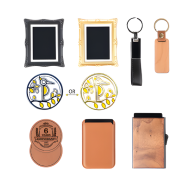
Laser cutting is an excellent method for creating metal art because it works precisely and quickly. It can cut detailed shapes from steel, aluminum, or brass, resulting in clean edges. This allows you to create both individual artworks and reproducible designs. Additionally, laser engraving can apply patterns, logos, or text to metal, transforming simple metal plates into personalized artworks.

Source: LaserPecker LP5 Facebook Group
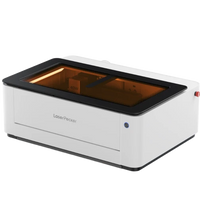
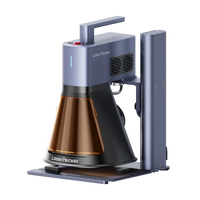
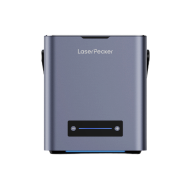
The LaserPecker LP5 is a great choice. It features two lasers: a 20W fiber laser for metals and a 20W diode laser for other materials. The LP5 can process many different materials, including painted metal, anodized aluminum, stainless steel, bamboo, wood, leather, acrylic, plastic, and coated glass.
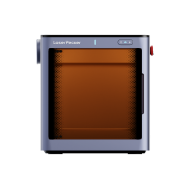
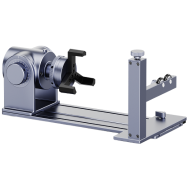
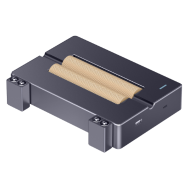
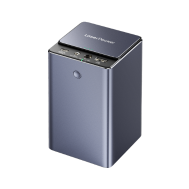
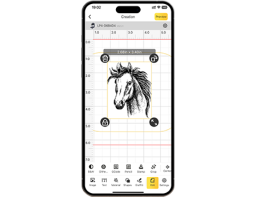
The device is compact and easy to move around the workshop. It also engraves very quickly (up to 10,000 mm/s) and supports both LightBurn and LaserPecker Design Space. This allows for efficient creation of detailed patterns, 3D designs, and clean cuts. Extensions like the Slide or Rotary modules enable the processing of larger projects or round objects like pipes and metal rods. The Safety Enclosure also ensures safe indoor use.
Advantages:
Cuts and engraves highly detailed designs with high precision.
Edges are clean, requiring little post-processing.
Ideal for producing multiple identical pieces with consistent quality.
Compact and easily transportable.
Tips:
- Always wear protective equipment and follow safety guidelines when working with lasers.
- Test your settings on scrap material first to optimally adjust power and speed.
- Use Rotary or Slide extensions for round or large objects.
- Combine laser cutting with other methods like welding or bending to achieve unique results.

Source: LaserPecker CraftZone
Comparison Table: Methods for Making Metal Decor
| Method | Advantages | Disadvantages | Best suited for |
|---|---|---|---|
| Welding Torch | 3D sculptural designs, strong connections | Requires experience and safety precautions | Sculptures, textured artworks |
| Metal Saw | Precise cuts, cost-effective | Manual labor, slower for complex shapes | Beginners, simple shapes |
| CNC Machine | High precision, repeatable results | Expensive, certain learning curve | Detailed patterns, small series production |
| Laser Cutter (LP5) | Precise cuts, clean edges, ideal for series production | Acquisition costs, safety equipment required | Complex designs, professional finish |
FAQs: Questions About Making Metal Decor
1. Which metals are good for creative projects?
Steel, aluminum, and brass are all good choices as they are durable and readily available. Copper provides a warm look. Thin metal sheets are also easy to cut with lasers or CNC machines. Choose the material based on how you want your project to look and whether it should be load-bearing or purely decorative.
2. Do you need a laser to get started?
Not necessarily, but lasers allow for particularly clean cuts for detailed artworks. You can easily start with a saw or some welding work. Devices like the LP5 make engraving and cutting metal and other materials significantly easier, allowing even complex designs to be realized.
3. Can you sell handmade metal art?
Absolutely! Many people love handmade or laser-cut metal art to decorate their homes or as gifts. If your works have clean cuts, creative designs, and a durable finish, they usually sell very well online or at local art and craft markets.
Conclusion
There are many ways to create metal art. You can weld, saw shapes, or even use modern CNC machines and lasers. Each method has its own advantages. For beginners, classic saws and welding torches offer a creative way to get started without investing a lot of money in equipment. However, if you want to take precision and professional quality to a new level, a device like the LaserPecker LP5 can help you create detailed laser designs and engravings and make your metal art even more impressive.