













































Laser cutting and engraving rubber is a versatile technique that allows for the realization of functional and creative projects – from personalized stamps and signs to decorative designs and unique gifts. Whether for DIY projects or small production runs, this technique opens up numerous design possibilities.
Since there is no universal solution, the choice of the right method depends on the budget, the tools available, and the desired result.
In this guide, we present various proven techniques – from precision machines to manual methods – to help you find the right solution for your project.

This article contains:
Method 1: Cutting and engraving rubber with a laser
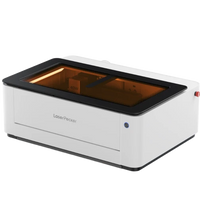
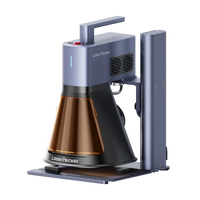
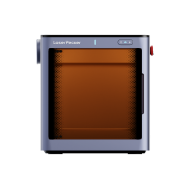
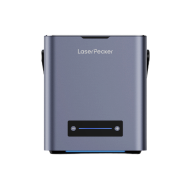
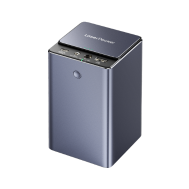
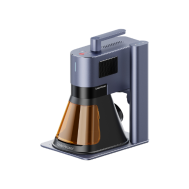
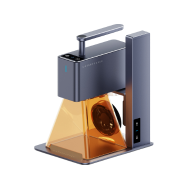
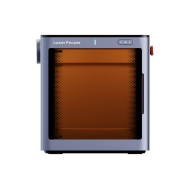
Laser engraving on rubber stamps is one of the fastest and most precise methods for engraving rubber. A powerful laser beam is focused onto the surface, vaporizing the material along the design path. Laser engraving and cutting rubber is particularly popular for creating custom rubber stamps, intricate designs, and professional signs because it is both fast and accurate.
Required tools and materials
- Laser engraving machine for stamps
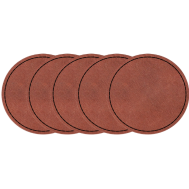
- Laser-compatible rubber sheets (low odor, especially for engravings)
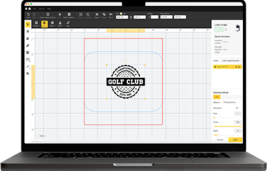
- Design software (e.g. LDS, LightBurn, RDWorks, CorelDRAW)
- Masking tape (optional, to reduce residue)
Steps for engraving and cutting stamp rubber with a laser
Step 1: Prepare the design
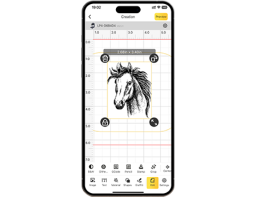
Create or import your design into the laser software. Adjust the image for high contrast to ensure a clear engraving.
Step 2: Prepare the materials
Place the rubber sheet flat on the laser bed. Secure it with masking tape to prevent slippage and minimize smoke residue.
Step 3: Laser cutting the stamp rubber – Adjusting the settings
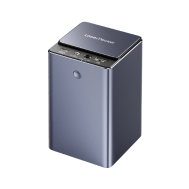
For engraving rubber with the LP5, we recommend the following settings: Power 50%, Depth 70%, 1 pass.
Step 4: Engrave the design
Laser the rubber stamp and monitor the engraving process.
Step 5: Clean and finish
Remove any residue with mild soapy water. Peel back the masking tape and check the engraving depth.
Advantages and disadvantages of laser engraving on stamp rubber
Advantages:
- Extremely precise and reproducible results.
- Suitable for complex and detailed designs.
- High production speed for large orders.
Disadvantages:
- A laser engraving machine for stamps is required (higher purchase costs).
Method 2: Cut and engrave rubber using a hand engraving tool
Hand engraving is the most traditional and cost-effective method for engraving rubber. Instead of using machines, you cut into the rubber manually with special tools. This method is particularly popular for DIY stamps, artistic patterns, and custom designs because it allows for full creative control, although it requires more time and skill.
Required tools and materials
- Rubber engraving block
- Engraving tools (e.g., Speedball linocut knife, X-Acto knife)
- Pencil or waterproof marker (for sketching the design)
- tracing paper
- Cutting mat
Steps for engraving and cutting rubber with a hand engraving tool
Step 1: Prepare the design
Draw your design directly onto the rubber with a pencil or marker. Alternatively, you can use tracing paper to transfer a design.
Step 2: Secure the rubber block
Place the block on a cutting mat to prevent it from slipping. For added stability, you can secure the edges with tape.
Step 3: Engrave the contours
Use a fine engraving tip to first trace the outlines. Work slowly to ensure accuracy.
Step 4: Remove excess material
Switch to a wider engraving blade to remove larger areas. Engrave away the background areas so that the raised parts form your design.
Step 5: Check and clean
Brush off the rubber rasp. Test the engraving with ink (when making a stamp) to check the details.
Advantages and disadvantages of engraving rubber with a hand engraving tool
Advantages:
- Very cost-effective – no expensive machinery required
- Full creative control over depth and style
Disadvantages:
- Time-consuming, especially with large or complex designs
- Requires steady hands and practice to achieve precision.
- Inconsistent results with limited experience
Method 3: Cutting and engraving rubber with a CNC machine
Engraving rubber with a CNC (Computer Numerical Control) machine combines automation with high precision. The CNC machine follows a digital design and engraves the rubber with accuracy, making it ideal for consistent, repeatable patterns or mass production. Although CNC engraving on rubber is less common than on wood or metal, this method is a good option for industrial rubber markings or the production of custom rubber stamps in large quantities.
Required tools and materials
- CNC milling machine or engraving machine
- rubber sheet or block
- Suitable milling cutter or engraving cutter
- Design software (CAD/CAM programs such as Fusion 360, VCarve or Easel)
- Cutting mat or clamps (to fix the rubber)
Steps for engraving and cutting rubber with a CNC machine
Step 1: Create or import a design
Create a vector-based design using CAD software or import an existing file (DXF, SVG).
Step 2: Secure the rubber material
Place the rubber sheet on the CNC bed and secure it with clamps or double-sided tape to prevent slipping.
Step 3: Setting up the CNC machine
Install the appropriate milling cutter for fine details. Adjust the spindle speed – rubber requires lower speeds to prevent melting or tearing.
Step 4: Perform a test run
Perform a shallow test cut on remaining material to check depth and accuracy.
Step 5: Start engraving
Allow the CNC machine to operate according to the programmed toolpath. Monitor the process to prevent material deformation or displacement.
Step 6: Completion
Remove the rubber from the CNC bed. Remove any loose chips or burrs.
Method 4: Cut and engrave rubber with a Cricut Maker
The Cricut Maker is a versatile crafting and cutting machine designed for DIY projects using vinyl, paper, fabric, and light engraving. While not originally designed for deep rubber engraving, with the right blade and settings it can cut or lightly engrave thin rubber sheets—especially for creating custom stamps, stencils, or decorative rubber items. This method is better suited for hobbyists or small projects than for industrial production.
Required tools and materials
- Cricut Maker
- Engraving tip or deep-cut blade
- Thin rubber sheet (0.8–2 mm recommended for best results)
- StrongGrip cutting mat (purple mat)
- Design software (Cricut Design Space)
- Masking tape (optional, for additional fixation)
Steps for engraving and cutting rubber with a Cricut Maker
Step 1: Create a design
Open Cricut Design Space and create or import your design.
Step 2: Prepare the rubber mat
Place the rubber sheet on the StrongGrip mat. Optionally, secure the edges with masking tape to prevent slipping.
Step 3: Use the appropriate tool
For surface engraving: Use the Cricut engraving tip. For cutting out shapes: Use the deep-point blade.
Step 4: Adjust machine settings
Choose a lower pressure for engraving and a medium pressure for cutting. Perform a small test run to ensure the material doesn't tear.
Step 5: Engraving or cutting
Start the Cricut process and monitor the progress to ensure the rubber sheet remains flat and secure.
Step 6: Completion
Carefully remove the rubber sheet from the mat to avoid stretching. Clean any residue with a soft cloth.
Conclusion
Laser engraving on rubber can be as technical or as artisanal as you like. If you need fast, professional results, a laser engraving machine for stamps or a CNC machine offers precision and efficiency. For smaller or more personal projects, a hand engraving tool or the Cricut Maker can deliver excellent results without a large investment.
With the right method, laser engraving on stamp rubber is not only feasible, but also fun and rewarding. Now that you know the main methods, it's time to choose one and start designing personalized stamps.