
















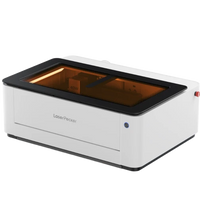
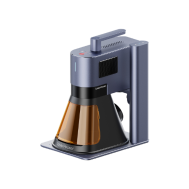


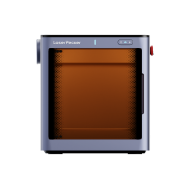



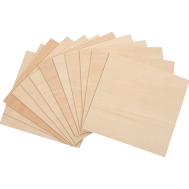
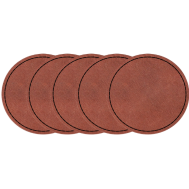
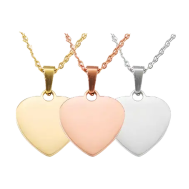
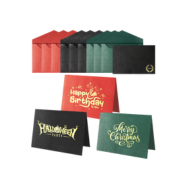























Engraving adds a special touch to things, transforming everyday objects into unique works of art. Personalized boxes are a popular project. Whether it's a wooden keepsake box or a simple gift box, engraving makes it truly special.
This guide explains why engraving wooden boxes is so popular, presents various methods for engraving a wooden box , and gives tips on laser engraving. We also recommend tools for beginners and experienced users.

This article contains:
- Part 1: Why people love engraved wooden boxes
- Part 2: 5 methods to engrave the wooden boxes
- Method 1: Laser engraving
- Method 2: CNC engraving
- Method 3: Hand engraving
- Method 4: Chemical etching
- Method 5: Combination of printing and engraving
- Part 3: How to laser engrave a wooden box
- Part 4: Tips for laser cutting boxes
- Part 5: FAQs about wooden box engraving
Part 1: Why people love engraved wooden boxes
Engraving a box? It goes far beyond mere aesthetics – it's like telling a story inside a box. That's why engraved boxes are so popular:
1. Design it completely personally
Personalize the box with a name, a fun design, or something special – and it instantly becomes unique. Engraved boxes make a perfect gift for weddings, graduations, or special occasions.
2. Stylish Upgrade
Engravings transform a simple box into an artistic or elegant piece, thanks to clean lines and fine details.
3. Good for business
Businesses engrave their logos on boxes to present their brand professionally and attractively.
4. Long-lasting
Unlike stickers, engravings don't fade or peel off. Ideal for something that needs to last.
5. That certain something extra:
An engraved jewelry box or keepsake box can become a family heirloom. It's not just about the contents, but also about all the beautiful moments it holds.

Part 2: 5 methods to engrave the wooden boxes
Here is an overview of how to create a wooden box with engraving, using different methods to suit your project, budget, and skill level.
Method 1: Laser engraving
Engraving wooden boxes has greatly expanded the possibilities for personalization. A laser uses a focused beam of light to precisely transfer designs onto materials. The method is fast and allows for repeating designs and creating detailed patterns.
- Well suited for wood, leather, plastic and some metals , depending on the laser.
- Allows for individual designs such as logos or patterns.
- Automation makes it interesting for both individual projects and large orders.
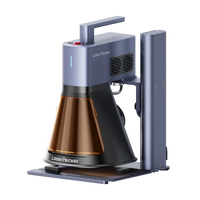
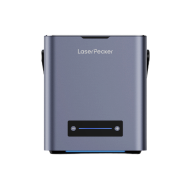
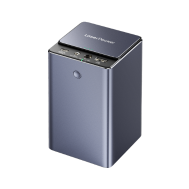
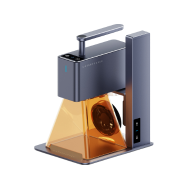
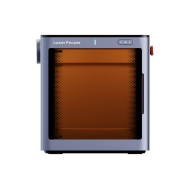
LP4 – Advanced Dual Laser Engraver
For anyone who needs speed, maximum precision and the power for numerous projects, the LaserPecker LP4 is the right tool.

Dual laser system:
The LP4 features a 10W blue diode laser and a 2W infrared laser. This allows for engraving or cutting over 300 materials – from stainless steel, aluminum, and ceramics to wood, acrylic, and leather. Perfect for fine details and demanding tasks.
Professional speed & resolution:
With speeds of up to 4000 mm/s and 8K resolution, you get razor-sharp lines and detailed logos in record time. For companies that have to process a large number of orders, this is a real game-changer.
Intelligent control & flexibility:
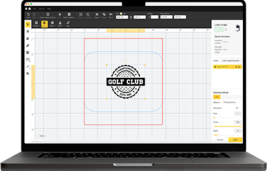
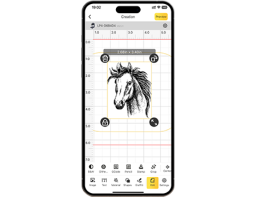
The touchscreen allows for quick laser switching, job repetition, and angle adjustments. The LP4 is compatible with LightBurn (for professionals) and LaserPecker Design Space (for beginners), enabling both novice and experienced users to work seamlessly.
Ideal for business expansion:
- Engrave multiple boxes with individual logos for shops.
- Create memory boxes with extremely detailed designs.
- Handle large orders for weddings, corporate gifts, or small shops.
Durability & Value for Money:
The LP4 is robustly built for daily use, delivers precise results, saves time and reduces errors.
The LaserPecker LP4 is ideal for professionals and small businesses who want to increase their productivity, process different materials and implement engravings quickly and impressively.
Method 2: CNC engraving
CNC (Computer Numerical Control) engraving uses rotating tools to carve out material. Unlike laser engraving, which burns the material, CNC engraving removes material mechanically.
- It creates texture and depth because the cuts are perceptible, and is also suitable for hard materials such as hardwood or metals.
- It is slower and louder than laser engraving and requires more maintenance.
This method is often used for sturdy wooden boxes or industrial projects.
Method 3: Hand engraving
Before modern technology existed, artists used tools like chisels to engrave boxes. It takes time and effort, but it gives each box a personal touch.
- Traditional and ensures that each box is unique.
- Requires skill and time, not suitable for mass production as the results are not always consistent.
People who appreciate craftsmanship still love hand-engraved boxes.
Method 4: Chemical etching
In this method, a material (usually metal) is coated, and acid is used to create a design.
- Especially suitable for fine details and lettering on metal boxes.
- Requires careful handling of chemicals and is not suitable for beginners.
Method 5: Combination of printing and engraving
Some box manufacturers combine UV printing and engraving. The printing adds color, while the engraving provides texture and makes the design more durable. This combination is often used for high-end packaging.
Method comparison for the personalized box
| method | difficulty | Cost | Effect / Precision | Best suited for |
|---|---|---|---|---|
| Laser engraving | Simply | medium | Highly precise, repeatable, durable | Beginners, professionals, small businesses |
| CNC engraving | medium | high | Deep cuts, textured surface, slow | Workshops, industrial use |
| Hand engraving | Hard | Low | Unique, handcrafted feel, inconsistent | Artists, traditional crafts |
| Chemical etching | medium | Low—Medium | Detailed, but risky, limited to metals | Jewelry, metalwork |
| Printing & Engraving | medium | Medium— high | Adds color and texture, modern look | Packaging, high-quality brand |
Part 3: How to laser engrave a wooden box
Want to easily laser-engrave a personalized jewelry box? Here are the key steps:
1. Select image
You can either create your own design in a program or use a ready-made design.
2. Prepare the box
Keep the box clean, dry, and stable. If the surface is uneven, level it so it doesn't slip during engraving.
3. Adjust the laser
Adjust the settings on your laser engraving machine to suit the material of the box – speed, power and resolution must match the material.
4. Check engraving position
Some modern devices indicate where the design will be placed on the box, helping to avoid mistakes. The LP1 Pro and LP4 have this feature.
5. Start engraving
Start the process. Stay nearby to monitor it.
6. Post-processing
Depending on the material of the box, you can sand, polish, or apply a protective coating.
Part 4: Tips for laser cutting boxes
Want to master laser engraving? Here are the most important tips:
Perform a test run: Before starting your main project, test the settings on scrap pieces. This will prevent damage to the actual workpiece.
Ensure good ventilation: Engraving produces smoke – use a fan or work in a well-ventilated area.
Adjust settings: Every material reacts differently. Experiment with speed and laser power until you achieve optimal results.
Clean regularly: Keep the lenses clean so that the lines remain sharp. Dust should also be removed regularly.
Safety precautions: Always wear safety glasses when engraving and never leave the machine running unattended.
Part 5: FAQs about wooden box engraving
1. Can I simply engrave any box?
Sure! Wood, leather, acrylic – most materials are suitable. Even cardboard or coated plastics can be engraved with a suitable laser. The important thing is to choose the right settings. Softer materials like bamboo or pine are ideal for beginners. Harder wood or metal? Then you'll need a more powerful laser. Always test a small area first to check the result.
2. How deep does a laser engraving actually go?
Laser engravings typically achieve a depth of about 0.1 mm to 1 mm – enough for a durable, attractive result. The depth depends on the material hardness, the laser power, and the number of passes. A single pass produces a shallow engraving; for deeper engravings, simply pass over the same area multiple times, allowing it to cool in between passes to prevent burning or deformation. For very deep cuts, a CNC machine is more suitable.
3. Is hand engraving better than laser engraving?
It depends on what you want. Hand engraving gives each piece a unique, personal touch – perfect for projects where that special charm is key. Laser engraving is fast, precise, and repeatable – ideal for large quantities of boxes or intricate details like logos or small lettering. Some people combine both: lasers for the main engraving, hand tools for fine details.
4. Can I engrave multiple boxes at the same time?
Yes, especially with machines designed for larger production runs. Build a fixture to hold all the boxes in place while the laser processes them. This will ensure consistent results. Even basic machines can handle small batches; for large orders, more powerful machines save considerable time and guarantee a uniform finish.
Conclusion
In summary, it's quite easy to transform a simple box into a personalized one. A wooden box with engraving can be made personal, memorable, and truly stylish. There are many options available, from hand engraving and CNC machines to chemical etching and my personal favorite, laser engraving.
Whether you are creating a gift, enhancing your own brand, or simply want to try something new, personalized boxing is an exciting hobby that combines art, technology, and storytelling.